








Premenopause, perimenopause and early menopause can sound confusingly similar. Understanding the differences can help you recognise changes, look after your health and find the right support.
Menopause is preceded by a period of transition called perimenopause, when ovarian hormone levels change and symptoms may begin. Here, we'll go through what these terms mean, what to expect and how to manage your health through this change.
🕒 6 min read
What does premenopausal mean?
Premenopausal means being in the reproductive stage before perimenopause. The Menopause Society defines premenopause as the time from the start of menstrual periods to the start of perimenopause.1
People sometimes use “pre-menopause” informally when they mean the years of changing periods or symptoms before menopause. The more precise term for that transition is perimenopause. Being premenopausal does not, by itself, mean menopause is about to happen.
Perimenopause vs premenopause: what is the difference?
| Term | What it means | What to know |
|---|---|---|
| Premenopause | The reproductive years before perimenopause. | It does not mean that menopausal symptoms have started. |
| Perimenopause | The transition towards menopause, when periods and symptoms may change. | You can still have periods and become pregnant. |
| Menopause | Natural menopause is identified after 12 months without a period, when hormonal contraception is not affecting the bleeding pattern. | It usually occurs between 45 and 55. |
| Early menopause | Menopause occurring before 45; menopause before 40 is termed premature menopause. | Symptoms before 45 need medical assessment. |
| Postmenopause | The stage after menopause. | Some symptoms can continue and support is still available. |
These distinctions draw on guidance from The Menopause Society and the NHS.1,2,3 For the later stage, read our guide to postmenopause.
Understanding perimenopause
Typically starting in a woman's 40s, the precise onset of perimenopause may be difficult to pinpoint. The rate at which each woman's hormones change, and how she is affected over time, is unique. It can last several years, and some women notice few symptoms.2
There is a delicate balance of hormones within a woman's body. During perimenopause, hormone levels can fluctuate rather than simply falling steadily. This can bring physical as well as emotional changes. Your experience may differ from a friend's, even if you are the same age.
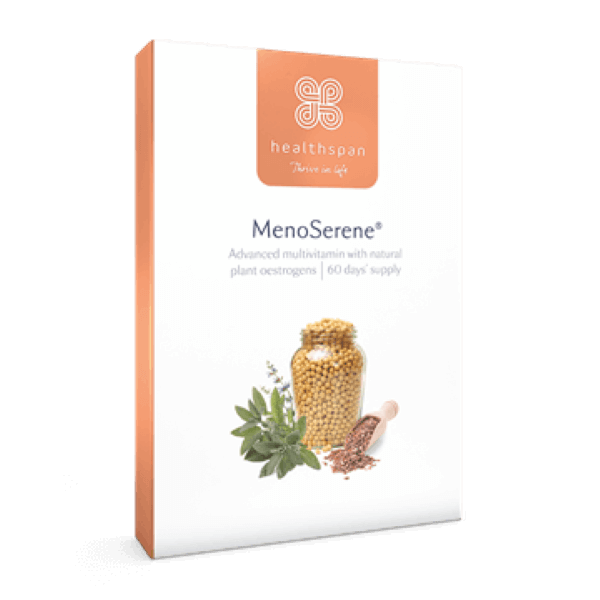
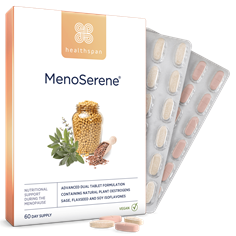
MenoSerene®
A combination of vitamins, minerals, soy isoflavones, flax lignans and sage.
- Vitamin B6 contributes to the regulation of hormonal activity
- Calcium, magnesium and vitamin D support normal bones
- With soy, flaxseed and sage extracts
What is early menopause?
For most women, menopause happens between 45 and 55. Early menopause means menopause before 45, while menopause before 40 is called premature menopause. A clinician may investigate premature ovarian insufficiency (POI) when symptoms occur under 40. These terms describe timing or ovarian function; they are not interchangeable with perimenopause.3
Early menopause can happen for a variety of reasons. It can occur naturally and run in the family. Cancer treatments or surgery to remove the ovaries can also cause it; sometimes there is no clear cause. Smoking increases the likelihood of earlier menopause.3
If your periods change or stop and you have symptoms before 45, speak with your GP. Hormone replacement may be particularly important for protecting bone and heart health when menopause happens early, so the discussion goes beyond managing symptoms.3
Symptoms of early menopause and perimenopause
The symptoms can overlap, but their timing and the pattern of your periods help a clinician understand what is happening. One of the first signs of perimenopause is often a change in your periods. You may miss one, have them more frequently, or have them temporarily regularise before becoming irregular again. They may be heavier or lighter than usual.4
Hormonal contraception can affect bleeding patterns, so periods alone may not tell you which stage you are in. Other changes can include:
- Hot flushes and night sweats
- Lowered libido or vaginal dryness
- Fatigue or difficulty sleeping
- Mood changes, anxiety or low mood
- Problems with memory or concentration
- Weight changes, particularly around the middle
- Hair thinning or loss
- Muscle aches or joint pains
Not all of these symptoms are experienced by all women, and not all will experience them in the same way. Keeping a note of your periods, sleep and symptoms can make a consultation more useful.4
Do you need a blood test?
For otherwise healthy people aged 45 or over with typical symptoms, perimenopause and menopause are usually identified from symptoms and menstrual history without hormone blood tests. A GP may consider an FSH blood test between 40 and 45, or investigate suspected POI under 40. Hormonal contraception can affect which tests are appropriate.5
A missed period or one symptom does not confirm menopause. Pregnancy and other conditions may also need to be considered. Talk to your GP about new, persistent or troublesome changes, especially before 45.
What can help with symptoms?
There are ways you can manage symptoms and support your body as it adjusts to these changes. Nutrition, exercise, rest and support for your mental wellbeing can all play a part.6
- Eat a balanced diet: include a variety of foods and calcium-rich choices to support your bones. Our guide to what to eat during menopause offers practical ideas.
- Keep active: include weight-bearing and strengthening activity suited to your ability. Read about menopause and your changing calcium needs.
- Notice your triggers: reducing caffeine, alcohol or spicy foods may help if they worsen hot flushes.
- Make room for rest: keep regular sleep routines and try relaxing activities such as yoga or meditation.
- Ask for support: talk with someone you trust and tell your GP how symptoms affect your everyday life.
These are practical ways to look after yourself alongside treatment when needed.6 Your GP can discuss HRT and other options. Menopause-specific CBT may help with certain symptoms; vaginal treatments can help with dryness or discomfort. You do not have to wait until your periods stop to ask for help.7
Where do menopause supplements fit in?
Supplements offer a convenient way to complement your diet with selected nutrients. For example, vitamin B6 contributes to the regulation of hormonal activity, while calcium and vitamin D help maintain normal bones. UK advice is to consider 10 micrograms of vitamin D daily during autumn and winter; some people need a supplement all year.8
Choose a formula around your nutritional needs and check for overlap with supplements you already use. Botanical ingredients are different from HRT, and suitability matters if you take medicines. A pharmacist or GP can help you check a product, especially if early menopause is suspected.
Our guide to menopause supplements explains the options, or browse our menopause supplement range to compare formulas.
Premenopause and perimenopause FAQs
Is premenopause the same as perimenopause?
The terms are often mixed up in everyday conversation. Premenopause is the reproductive stage before perimenopause. Perimenopause is the transition towards menopause, when changing hormones can affect periods and bring symptoms.1
What age does perimenopause start?
It commonly begins in the 40s, but timing varies. Symptoms before 45 deserve a GP discussion to assess whether early menopause or another cause may be involved. Under 40, a clinician may investigate premature ovarian insufficiency.3
What are the first signs of perimenopause?
A change in your usual menstrual pattern is often an early sign. Sleep changes, hot flushes or mood symptoms may also be noticed. Contraception can mask period changes, so record the wider pattern rather than relying on one symptom.4
How long does perimenopause last?
It can last several years and differs from person to person. Natural menopause is identified after 12 months without a period when hormonal contraception is not affecting your bleeding pattern. Some symptoms can continue afterwards.2
Can you get pregnant during perimenopause?
Yes. Ovulation can still happen even when periods are irregular. Continue contraception until it is appropriate to stop: NHS guidance generally advises two years after the last period if under 50, or one year if 50 or over. Hormonal methods can complicate assessment, so ask about your own method. HRT is not contraception.4
Can you get help while you still have periods?
Yes. You can discuss bothersome symptoms and suitable treatment during perimenopause. HRT and other approaches may be considered according to your symptoms and medical history; support does not depend on waiting for your final period.7