












Gut health continues to be a key focus of research in the world of nutrition, and it's becoming clear that the role of microbes in our gut goes beyond digestion, into immunity and even mood. You've likely heard of how probiotics may help, but prebiotics also have a role to play, says nutritionist Rob Hobson.
The collection of microbes in your gut is referred to as your microbiome, and advice on how to protect it is everywhere.
Your gut microbiome is sensitive to your lifestyle and dietary habits. These habits can either promote a good diversity of microbes in the gut, or tip the balance in the opposite direction, which may have a negative impact on your health.
While most people are familiar with probiotics and their role in helping to support the gut, many people are less familiar with prebiotics, which also have a vital part to play.
What are prebiotics?
Prebiotics are a type of fibre, but in order for a fibre to be classed as a prebiotic it must be:
- Resistant to the acidity of the gastrointestinal (GI) tract
- Resistant to digestion
- Fermented by gut bacteria
- Able to stimulate the growth and/or activity of gut bacteria and potentially provide a positive health benefit
Gut bacteria break down indigestible starches (prebiotics) by a process called fermentation, which produces short-chain fatty acids such as butyrate. These fatty acids act as the main source of energy for the cells in the colon. Short-chain fatty acids are required for energy metabolism in the body and may help to reduce the risk of inflammatory diseases, type 2 diabetes, heart disease and obesity according to research.1
What are the main sources of prebiotics in the diet?
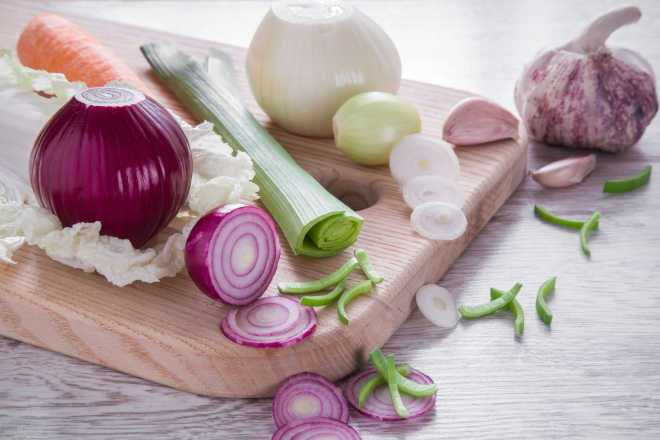
Prebiotics, examples of which include inulin, lignin, oligosaccharides, mucilage gums, non-starch polysaccharides (pectin and beta glucans) and resistant starches, come from a variety of foods.
These foods can be easily incorporated into your daily diet, and you may already be eating many of them on a regular basis. You're more likely to be eating prebiotic foods if your diet is healthy and contains plenty of plant-based foods.
| Food group | Prebiotic foods |
|---|---|
| Fruit | Dried fruits, bananas, peaches, grapefruit, nectarines, apples |
| Vegetables | Chicory, asparagus, artichoke, onions, beetroot, fennel, garlic peas, sweetcorn, leeks |
| Cereals | Barley, wheat bran, oats, rye bread, pasta |
| Nuts and seeds | Almonds, cashew, pistachio |
| Legumes | Chickpeas, lentils, soya beans, red kidney beans |
Top five prebiotic foods to include in your diet
There are quite a few prebiotic foods, but here are those that are more commonly eaten in the diet and that can be easily accessed from your local supermarket.
1. Jerusalem artichoke
This vegetable is now available in larger supermarkets, and is in season between October and February. Jerusalem artichokes contain 2g of fibre per 100g, and 76% comes from inulin. These are not a commonly eaten vegetable as many people are unsure how to use them.
Jerusalem artichokes have a nutty flavour and can be used in the same way as potatoes, in that they can be roasted and mashed, and also work well in soups.
2. Garlic
Garlic can form the base of many home-cooked dishes alongside onions, which means it's easy to add to your daily diet. Around 11% of the fibre found in garlic comes from inulin and 6% from fructooligosaccharides, which add a slight sweetness to the flavour.
3. Onions
Around 10% of the fibre found in onions comes from inulin and 6% from fructooligosaccharides. Onions also contain a good source of vitamin C (protects cells, maintains healthy skin and helps with wound healing) and the flavonoid quercetin, which acts as an antioxidant in the body.
4. Leeks
Around 16% of the fibre found in leeks is from inulin. Leeks are also high in flavonoids, which support the body to respond to oxidative stress.
They are also a good source of vitamin A (healthy immune system, eyes, skin and mucosal linings such as the nose), vitamin C (protects cells, maintains healthy skin and helps with wound healing) and vitamin K (blood clotting and healthy bones).
You can serve leeks as a side dish, incorporate into soups or use as a topping for pies.
5. Barley
Barley contains around 8g of beta glucan per 100g, which is not only good for your gut but has also been shown to help reduce cholesterol.
Barley also contains the minerals magnesium (converts food into energy, promotes muscle relaxation and healthy bones) and selenium (protects cells and promotes a healthy immune system).
Barley can be used in place of rice to make risotto or added cooked to soups or salads.
