











We all need a certain amount of positive stress in our lives to get out of bed in the morning and meet life's challenges, but too much is recognised as an important risk factor for heart disease.
When we feel stressed, nerve signals from the brain trigger the release of stress hormones (adrenaline, noradrenaline and cortisol) from the adrenal glands to prepare us for physical activity as part of the ancient fight-or-flight response.
This response helped our ancestors fight invading tribes and run from sabre-tooth tigers, as it constricts peripheral arteries and increases our blood pressure and pulse rate to shunt extra blood to our muscles. At the same time, glucose, triglyceride and cholesterol levels increase to provide additional fuel.
Physical exercise from fighting a battle or running away would then burn off the effects of these hormones so that, once danger passed, blood pressure, glucose and circulating fat levels could return to normal as part of the rest-and-digest response.
In modern life, however, stress rarely results in fighting or fleeing, and the effects of stress hormones persist for prolonged periods of time, so that blood pressure, pulse rate, glucose and cholesterol levels remain elevated.
New research published in The Lancet also suggests that prolonged stress increases activity in a part of the brain called the amygdala. This signals the bone marrow to produce more white blood cells which, in turn, release chemicals that cause arteries to become inflamed. This inflammation hastens the hardening and furring up of the arteries and increases the risk of cardiovascular diseases such as angina, heart attack and stroke.1
Stress and high blood pressure
Stress can dramatically increase blood pressure by causing arteries to constrict. This effect will reduce once the cause of the stress is addressed but, if you are experiencing chronic stress, you can develop persistent high blood pressure as a result.
The results from 11 studies show that psychosocial stress (stress resulting from the adverse situations we encounter in everyday life) is associated with a 2.4-fold increased risk of hypertension, for example.2
Stress and cholesterol
The amount of stress you are under can raise cholesterol levels through the direct effects of the cortisol hormone and the indirect effect of 'bad' habits that are often resorted to during difficult times. These include making less healthy dietary choices, especially if they lead to comfort eating and weight gain. When you are stressed, you are also less likely to exercise.
One study that involved 91,593 workers found that job stress was significantly associated with abnormal cholesterol levels and the need to take lipid-lowering medication, for example.3
Stress and heart attack
Prolonged stress can lead to artery constriction and changes in blood pressure, cholesterol and glucose levels, as well as promoting unhealthy coping behaviours such as smoking or excess alcohol. It's therefore not surprising that research involving nearly 200,000 people across Europe found that having a demanding job and little freedom to make decisions (leading to frustration) increased the risk of having a heart attack by 23 per cent, compared with those who do not report job strain.4
Stress and stroke
The harmful effects of stress on circulation can increase the risk of stroke, too. The combined results from 14 studies found that people exposed to general or work stress, or to stressful life events, had a 33 per cent higher risk of stroke than those not experiencing stress.
Overall, perceived psychosocial stress was associated with a 45 per cent increased risk of fatal stroke, a 40 per cent increased risk of ischaemic stroke (due to a blocked artery in the brain) and a 73 per cent risk of a haemorrhagic stroke (due to a burst artery). The risk of stroke was significantly higher for women than men (90 per cent versus 24 per cent).5
How to reduce stress
If you are experiencing undue stress, it’s important to address it before your health and heart suffer. Focus on maintaining a healthy diet and lifestyle while you address and reduce the causes of stress as much as possible. You can also try the following techniques.
1. Take a deep breath
If you're looking for a short-term fix for stress, breathing is a good place to start. It sounds simple but taking the time to breathe deeply is incredibly beneficial for keeping your heart rate down and stress levels low. Breathing deeply ultimately helps to lower the production of the stress hormone cortisol and therefore keep you calm.
2. Meditate
A recent study on meditation and its link to heart disease found that completing fifteen minutes of meditating a day reduced the risk of heart disease and stroke by 48 per cent.6
Sit in a comfortable position with your eyes closed and repeat a sound in your head (otherwise known as a mantra) for a few minutes at a time, building up to fifteen minutes.
3. Practice mindfulness
In the long term, mindfulness (an ability to focus on the moment you are in) is a great way to reduce stress levels. Rather than dealing with the symptoms of stress, mindfulness prevents us from getting unnecessarily stressed in the first place.
Of course, living an entirely stress-free lifestyle is impossible considering the fast-paced world we live in, but gaining a sense of perspective (which is part of learning how to be mindful) and therefore preventing unnecessary agitation, will reduce the negative impact of stress on your health and wellbeing in the long run.
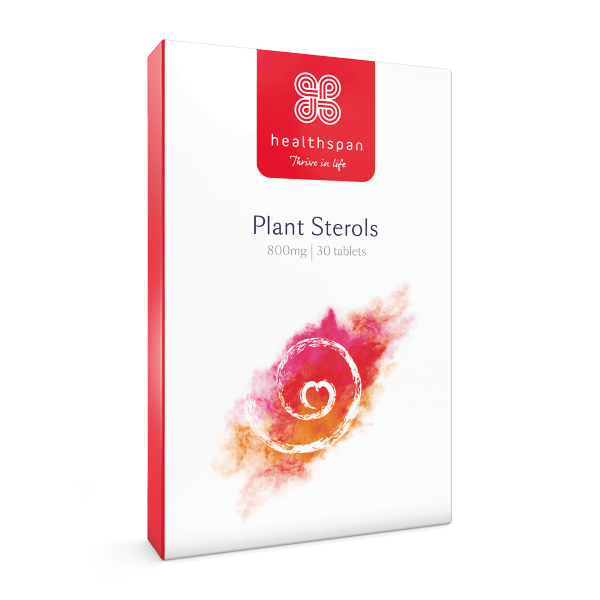
Plant Sterols 800mg
Proven to maintain or lower cholesterol
- Blocks the absorption of dietary cholesterol
- One tablet a day maintains normal cholesterol levels
- Three tablets a day (2.4g) lowers cholesterol levels
