












When we go skiing or snowboarding, we're most likely trying to avoid broken limbs, but in fact a common injury is eye damage from the sun.
UV eye protection matters beyond the ski slopes, too. Walking, gardening or spending a day at the beach can expose your eyes to ultraviolet light. Sunglasses that block 99 to 100 per cent of UVA and UVB, with good coverage around the eyes, help reduce that exposure.4
UVA and UVB rays are invisible but can damage the eyes, causing not only a type of sunburn of the eyes called photokeratitis, sometimes known as snow blindness, but also longer-term damage such as cataracts.1
Why UV light is dangerous for skiers
The sun emits UV radiation. UVA has a longer wavelength than UVB; both types can affect eye health, so protective eyewear needs to block both.4
When you are up a mountain skiing, you are exposed to more UV light than at sea level because the thinner atmosphere absorbs less of it. WHO estimates that UV levels rise by approximately 10 per cent for every 1,000 metres of altitude. Fresh snow can reflect up to 80 per cent of UV radiation, increasing exposure from below as well as above. Cloud cover does not remove the risk.2
How UVA and UVB rays can damage your eyes
Ultraviolet light can damage the eyes in several ways, including:
- Photokeratitis: This is inflammation of the cornea, the clear layer that covers the front of the eye, caused by UV light damage. This is sometimes referred to as a type of eye sunburn. It can be painful and usually settles within 24 to 48 hours, but painful eyes or changes in vision need prompt assessment.3
- Photoconjunctivitis: This is inflammation of the conjunctiva, the membrane that lines the inside of the eyelids and covers the white of the eye. UV-related inflammation can be painful but is usually temporary.1
- Snow blindness: This is a form of photokeratitis which skiers at high altitudes sometimes experience. Reflected UV light from snow can damage cells on the eye’s surface, causing pain, light sensitivity and blurred vision. Temporary loss of vision can occur, so symptoms should not be ignored.6
- Pterygium: Prolonged exposure to UV light is associated with a fleshy growth on the conjunctiva which can extend onto the cornea, become inflamed and affect vision. Sometimes it needs to be surgically removed, but it can grow back.1
- Cataracts: These cause clouding of the lens of the eye and can impair vision. Long-term UV exposure is one of the recognised risk factors.1
- Eye cancers: UV exposure is associated with some cancers in and around the eye, including cancers of the eyelid.1
UV eye protection: how to protect yourself
There are simple ways to protect your eyes when you are skiing and snowboarding, mainly by wearing the right sunglasses or goggles. The same principles apply on sunny days at home and on other outdoor holidays. Consider the following when choosing your protection:
- Look for sunglasses or goggles labelled UV400 or offering 99 to 100 per cent protection against both UVA and UVB light.4
- Pick goggles or sunglasses specifically made for winter sports, with impact-resistant lenses suited to your activity. Ask your optician about the right option for the conditions.
- Consider buying wraparound sunglasses which help protect your eyes at the sides, or well-fitting ski goggles for fuller coverage.4
- Choose a lens tint suitable for the light conditions, but check the UV rating separately. Lens colour or darkness does not tell you how much UV protection it provides. Polarised lenses reduce glare, but still need a UV-protection rating.5
- Ask your optician about prescription sunglasses or goggles, or goggles designed to fit over your glasses. Even if your contact lenses have built-in UV protection, you still need protective sunglasses or goggles because contacts do not cover the whole eye.5
- Make sure your goggles or sunglasses fit snugly.
For everyday outings, combine sunglasses with a wide-brimmed hat and use shade when practical. Remember to protect children’s eyes, too.
Nutritional support for everyday eye health
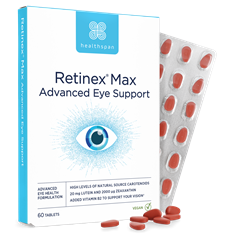
Alongside protective eyewear and regular eye tests, you can consider your nutritional intake. Retinex Max combines lutein and zeaxanthin with vitamin B2, which contributes to the maintenance of normal vision. Nutritional supplements do not replace UV-blocking sunglasses or goggles.
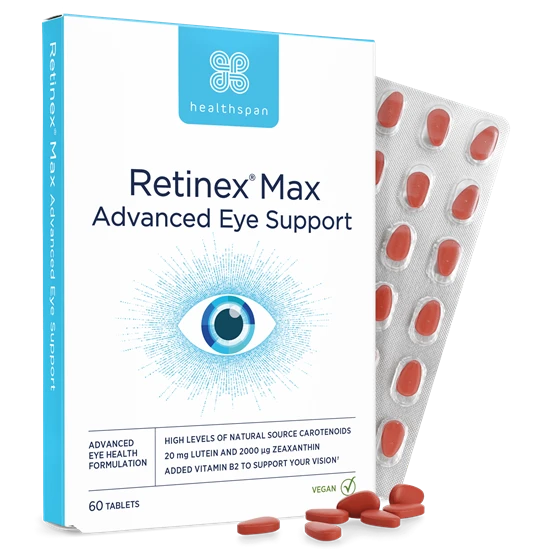
Retinex Max Eye Support
Lutein, zeaxanthin and vitamin B2 for everyday nutritional support
- 20mg lutein and 2,000µg zeaxanthin per tablet
- Vitamin B2 contributes to normal vision
- Vegan-friendly, one-a-day tablets
Explore our eye health supplements, or read more about looking after your eyes in winter.
UV eye protection FAQs
Can sunlight damage your eyes?
Yes. Too much UV exposure can cause painful surface damage such as photokeratitis. Repeated exposure over time is also associated with cataracts and other eye conditions. Protect your eyes during everyday outdoor activities as well as on holiday.1
Can you get sunburnt eyes on a cloudy day?
Yes. Clouds do not block all UV radiation, and reflected light from snow or water can add to exposure. Keep suitable UV-protective eyewear on when skiing or spending time in other bright, reflective conditions.2
What are the symptoms of snow blindness?
Pain, redness, watering, blurred vision and sensitivity to light can develop several hours after exposure. Symptoms often appear after 6 to 12 hours. Get prompt eye-care advice rather than assuming the discomfort will pass.3
What UV protection should sunglasses provide?
Choose UV400 or 99 to 100 per cent UVA and UVB protection. Fit and coverage matter as well: close-fitting wraparound frames or suitable goggles help limit light entering from the sides.4
Do UV-blocking contact lenses replace sunglasses?
No. They cover only part of the eye and do not protect the surrounding skin. Wear UV-blocking sunglasses or goggles over your contact lenses, and ask your optician about suitable options for sport.5
Do you need sunglasses in winter?
Yes, when conditions expose your eyes to UV. Bright winter sun, high altitude and reflection from snow can all increase exposure. Temperature is not a reliable guide to UV levels, so choose protection for the activity and conditions.2