









Life after menopause can bring relief from some symptoms and new questions about others. Find out when postmenopause begins, which symptoms can continue after 60 and how to look after your health.
🕒 5 min read
When am I postmenopausal?
Postmenopause is the stage of life after menopause. Natural menopause is identified once you have gone 12 months without a period, provided you are not using hormonal contraception that affects your periods. Postmenopause continues from that point onwards.1
You do not need to be symptom-free to be postmenopausal. If you use hormonal contraception or HRT, have had a hysterectomy, or think menopause may have happened before 45, speak to your GP about how to assess your stage.3
What happens during postmenopause?
During postmenopause, your hormone levels will not fluctuate to the same extent that they do during the lead-up to menopause, which means that many postmenopausal women find relief from some menopausal symptoms, such as hot flushes. Symptoms can nevertheless continue after your periods have stopped.2
After going through years of decline, your levels of oestrogen and progesterone generally remain low throughout postmenopause, which introduces new health needs for your body as it gets older. Bone health deserves particular attention because menopause is associated with loss of bone density.3
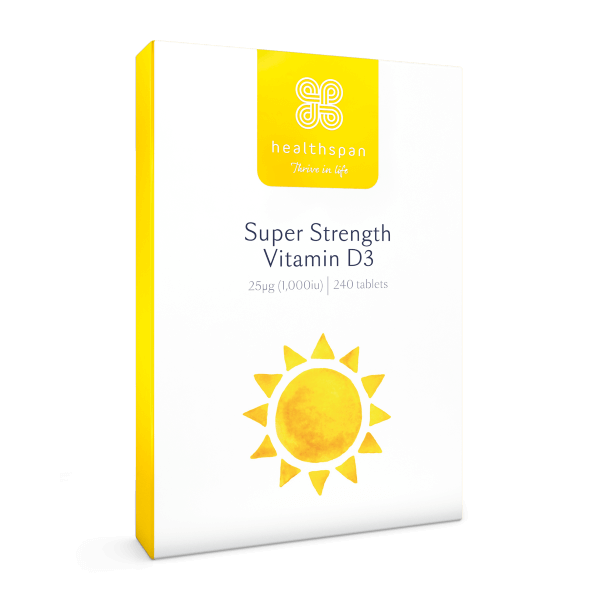
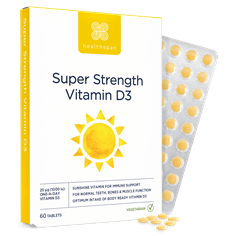
Super Strength Vitamin D3
For healthy bones, teeth, muscles and immunity
- 25 micrograms (1,000 IU) vitamin D3 per tablet
- Supports normal bones, teeth and muscle function
- One tablet daily for adults
What are the symptoms of postmenopause?
The experience of menopause is different for every woman. Some symptoms ease, while others continue or change. Common experiences include vaginal dryness, urinary symptoms, sleep problems and hot flushes; changes in mood or libido can also occur.2
Vaginal dryness
Lower oestrogen levels can affect the vaginal tissues, causing dryness, irritation and discomfort during sex. Try a vaginal lubricant to make sex more comfortable, or a vaginal moisturiser for ongoing dryness. If symptoms persist, ask about treatments such as vaginal oestrogen.3
Vaginal bleeding
Any bleeding from the vagina after menopause should be checked by a GP, even if it happens only once or is just spotting or pink or brown discharge. It is often caused by something less serious, but it can be a sign of cancer. Do not treat it as an expected postmenopause symptom.4
Urinary incontinence and other urinary symptoms
Changes associated with lower oestrogen can affect the vagina and urinary tract. You may notice urgency, needing to pass urine more often, leakage or recurrent urinary tract infections. Ask your GP about assessment and treatment rather than putting up with symptoms.3
Weight gain
Weight gain around the middle is common around menopause, but it is not inevitable. A balanced diet and regular activity can help with weight management and general health. Avoid assuming that every change in weight has a single hormonal cause.5
Insomnia
As with menopause, sleep problems can make it difficult for postmenopausal women both to fall asleep and to enjoy a full night's rest. Night sweats can make matters worse. Keeping regular sleep routines may help; discuss persistent difficulties with your GP.5
Hot flushes, mood changes and libido
Hot flushes and night sweats can continue after menopause. Some women also experience low mood, anxiety or a reduced sex drive. The pattern differs from person to person, and symptoms do not have to reach a particular severity before you can ask for support.2
Postmenopause symptoms at age 60 and beyond
Yes, symptoms can continue into your 60s and later. Vaginal dryness, discomfort during sex, urinary symptoms or sleep difficulties may still need attention even when hot flushes have eased. There is no age by which everyone should be symptom-free.2
New or changing symptoms deserve a fresh assessment. Tell your GP what has changed, when it began and how it affects daily life. This helps them consider menopause alongside other possible causes.
Treatment can still be discussed after 60. Whether to start or continue HRT depends on your symptoms, medical history and individual benefits and risks; the balance can change with age. Vaginal oestrogen is a separate treatment option for local vaginal symptoms and has a different risk profile from systemic HRT.7
Staying healthy after menopause
As with any other stage of a woman's life, there are ways you can look after your health through careful attention to nutrition and lifestyle. A healthy, balanced diet and regular exercise will work in your favour, alongside treatment for symptoms that need it.
- Look after your bones: include calcium-rich foods and regular weight-bearing and resistance activity suited to your ability.5
- Consider vitamin D: UK advice is to consider 10 micrograms daily during autumn and winter; some people need a supplement all year. Compare your existing intake before choosing a strength.6
- Support your general health: avoid smoking, keep alcohol within recommended limits and make time for rest and activities you enjoy.5
Explore our vitamin D range or read our guide to menopause supplements for help comparing options.
What help is available for ongoing symptoms?
A GP can discuss HRT, vaginal treatments and other approaches matched to your symptoms. Menopause-specific cognitive behavioural therapy (CBT) is another option for certain symptoms, including sleep problems and hot flushes.3
If you want to explore other approaches, our guide to HRT alternatives explains some of the options. Bring any supplements or herbal medicines you use to your treatment discussion so suitability and interactions can be checked.
Postmenopause FAQs
What is the difference between menopause and postmenopause?
Natural menopause is identified after 12 months without a period when hormonal contraception is not affecting the bleeding pattern. Postmenopause is the stage of life after that point; it continues for the rest of your life.1
Can I still have postmenopause symptoms at 60?
Yes. Symptoms can continue into your 60s and beyond, including hot flushes, sleep difficulties and vaginal or urinary symptoms. Tell your GP about new, changing or troublesome symptoms so other possible causes can be considered.2
How long do postmenopause symptoms last?
There is no fixed finishing date. Some symptoms improve with time, while others, such as vaginal dryness, may persist. How long you have been postmenopausal does not determine whether you can ask for help.2
Do I need a blood test to confirm postmenopause?
For otherwise healthy people aged 45 or over, a clinician can usually identify menopause from symptoms and menstrual history without a blood test. Hormonal treatments, surgery or younger age can change the assessment.3
Can I start or continue HRT after 60?
It can be considered individually. Starting HRT after 60 needs a discussion of your symptoms, medical history, treatment options and changing risks. There is no fixed limit on how long HRT can be taken; ongoing treatment should be reviewed regularly.7
Which nutrients are useful to consider after menopause?
Calcium-rich foods and enough vitamin D help support bones. Consider your diet, lifestyle and existing supplements when choosing a formula. Our menopause supplements guide explains some of the options.5