











Magnesium supports normal muscle function, protein synthesis and energy metabolism, making it an important part of nutrition for women who strength train. Here’s how to get enough and understand the research behind supplements.
🕒 6 min read
Why is magnesium important for women’s strength training?
Magnesium is one of the most abundant minerals found in your body, and is essential for maintaining your general wellbeing, with our diet being its primary source. You can find it in leafy green vegetables, legumes, nuts, seeds, whole grains, and milk products. It’s also added to some breakfast cereals and other fortified foods.
For women looking to increase their strength, getting enough magnesium helps support the normal processes that training depends on. Magnesium contributes to:
- Normal muscle function and protein synthesis.
- Normal energy-yielding metabolism and a reduction in tiredness and fatigue.
- Electrolyte balance, normal nervous-system function and the maintenance of normal bones.1
These roles make adequate intake worth paying attention to alongside a consistent training programme, enough food and protein, and time to recover.
Maximising your gains: magnesium and protein synthesis
Essentially, when you eat food containing protein, your digestive system breaks it down into individual amino acids. Your cells then recombine these amino acids and link them together to form new proteins within your body, supporting muscle repair and growth. Magnesium contributes to normal protein synthesis as part of this process.
A study published in the Journal of the American College of Nutrition investigated magnesium during a seven-week strength-training programme in 26 untrained adults. Both groups became stronger, but the supplemented group had greater gains in measured quadriceps strength. The result concerned strength, rather than proving substantially greater muscle growth in women.2
A later review of 14 trials found no clear overall improvement in muscle strength or power from supplementation, with benefits less apparent in physically active people who already had adequate magnesium status. The practical priority is meeting your needs as part of a consistent training and nutrition routine.3
Helping you to lift: magnesium and energy
Magnesium also plays an important role in the metabolism of ATP, or adenosine triphosphate, a compound found in every cell of your body. ATP provides energy for processes including muscle contraction. Magnesium is involved in the reactions that allow your cells to use that energy.4
The original research in triathletes is interesting, too: a small trial in 23 competitors studied magnesium orotate over four weeks and reported changes in performance and blood measures. However, venous oxygen measurements in a triathlon are not proof that magnesium increases oxygen delivery to working muscles or lets women lift more weight.5
Improving your sleep and recovery
Sleep is one of the essential parts of recovery and therefore deserves attention in any strength-training routine. Keeping a regular bedtime and allowing time to unwind are useful starting points.
Magnesium’s connection with the body clock has been explored in research. A Nature paper published in 2016 found daily rhythms in cellular magnesium and energy use in a human cell line and algae. This was laboratory research, not a trial showing that magnesium tablets improve sleep or training recovery.6
Human sleep research is still developing. A review of three trials involving 151 older adults suggested magnesium might shorten the time taken to fall asleep, but the evidence was low or very low quality. It cannot establish a reliable sleep benefit for women who strength train.7 Read more about magnesium glycinate, its uses and side effects.
Magnesium, muscle function and cramps
Magnesium helps support normal muscle function. Low magnesium can cause muscle symptoms, but a cramp during training does not by itself establish a deficiency.
A Cochrane review found no randomised trials specifically testing magnesium for exercise-associated cramps. Keep training load, recovery and hydration in mind, and seek advice about recurrent or troublesome cramps instead of assuming you simply need more magnesium.8
It’s important beyond the gym, too
Magnesium’s functions extend to the nervous system, bones and normal heart rhythm. Getting enough is part of looking after your general health as well as supporting your training.4
Am I getting enough magnesium?
The NHS gives a daily intake of 270 mg for women aged 19–64. This is a total dietary intake, not an instruction to take a 270 mg supplement. Many people can meet their needs through a varied diet.9
Easy ways to include magnesium in your day
- Add nuts or seeds to porridge or yoghurt.
- Use beans, lentils or chickpeas in lunches and dinners.
- Choose wholegrain bread, brown rice or other whole grains.
- Include leafy greens alongside your meals.
Some types of food processing, such as refining grains, lower the magnesium content of foods. Absorption and magnesium status can also be affected by certain digestive conditions and medicines. Low intake is not the same as a diagnosed deficiency.
Blood testing is one tool clinicians use, although serum magnesium does not fully reflect the amount stored in the body. If you’re concerned about persistent symptoms, your GP can assess the results alongside your health history.4
How should I take magnesium?
If you choose a supplement, follow the product label and look at the elemental magnesium it provides. This is the actual magnesium amount, which can differ greatly from the weight of the magnesium compound.
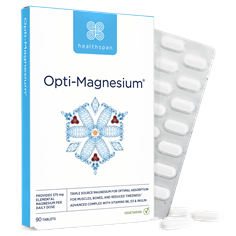
For example, Healthspan Magnesium Glycinate provides 100 mg elemental magnesium from 500 mg magnesium glycinate per tablet. Opti-Magnesium provides 375 mg elemental magnesium across its two-tablet daily serving. Compare the full daily serving and any added nutrients when exploring our magnesium range.
You may also see 375 mg used as the adult nutrient reference value, or NRV, on labels. This is a general labelling reference and differs from the UK intake figure for women above.
The NHS advises that 400 mg or less daily from supplements is unlikely to cause harm, but this is not a target dose. Higher doses can cause diarrhoea. Check for overlap with multivitamins or other magnesium-containing products.9 If you have kidney disease, take regular medication, are pregnant or breastfeeding, ask a healthcare professional about suitability.
The important thing to remember is to maintain a healthy diet, as magnesium is found in many foods and is especially rich in leafy greens and seeds. Choosing a convenient supplement routine can complement that foundation.
Magnesium and women’s strength training FAQs
Do women who lift weights automatically need extra magnesium?
No fixed extra dose applies to every woman who trains. Review your usual food intake, training demands and any individual health needs. A supplement can help increase intake where appropriate.
Should I take magnesium before or after a workout?
Follow your product’s directions. Research has not established a special pre- or post-workout window that improves strength gains. A consistent routine that suits the label and your digestion is more useful.
Which type of magnesium is best for strength training?
Compare elemental magnesium per daily serving, tolerability, tablet size and added nutrients. No single form has been established as best for every woman’s strength gains. Our magnesium range includes several options.
Is 375 mg the recommended intake for every woman?
375 mg is the general adult NRV used on labels. The NHS daily intake figure for women aged 19–64 is 270 mg from the diet overall. These figures have different purposes.
Can I take magnesium alongside protein supplements?
They supply different nutrients and may fit into the same eating routine. Check whether your protein powder already contains added magnesium, and consider your total intake before adding another supplement.
How long does magnesium take to work?
There is no guaranteed timetable for changes in strength or recovery. It depends on your starting intake, health and the outcome you’re considering. Our guide explains how long magnesium may take to work in more detail.