











Registered Nutritionist Rob Hobson answers your questions about supplements to lower cholesterol, foods to help IBS, and nutritional support after joint surgery.
🕒 5 min read
Q. Which supplements can help lower cholesterol?
Plant sterols can help lower LDL cholesterol, but supplements do not replace a healthy diet or prescribed cholesterol-lowering treatment. There is no single best supplement for everyone.
A. Statins are commonly prescribed to control cholesterol levels, but some people report side effects such as muscle aches and pains. Speak to your GP if this happens, rather than stopping treatment yourself.
The first step is to adopt a healthy diet, which is low in processed foods but high in fibre, including oats, fruits, vegetables, seeds, whole grains and nuts. Reducing saturated fat and replacing it with unsaturated fats can also help lower cholesterol.1
How do plant sterols work?
Plant sterols are compounds found naturally in plant foods. They reduce the amount of cholesterol absorbed in your gut and can help lower levels of potentially harmful LDL cholesterol.
The British Heart Foundation explains that 1.5–3g of plant sterols or stanols a day can lower LDL cholesterol by around 7–12%. Evidence is strongest for fortified foods, while evidence for supplements is more limited. Lowering a cholesterol result does not mean these products have been shown to prevent heart attacks or strokes.2
If you're considering supplements to lower cholesterol, discuss them with your GP or pharmacist, especially if you already take cholesterol medication. Follow the product label and take plant sterols with a meal. They are not suitable during pregnancy or breastfeeding, or for young children.2
Find out more about how to lower cholesterol, or browse our cholesterol and heart health range.
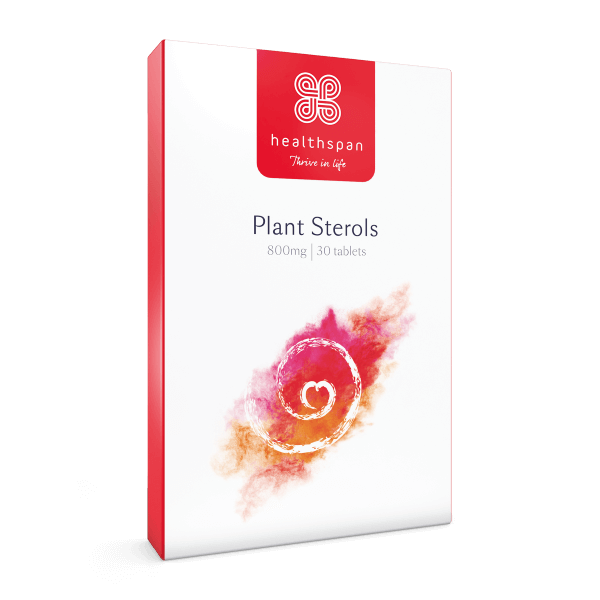
Plant Sterols 800mg
To help maintain or lower cholesterol
- 800mg plant sterols per tablet
- One tablet daily contributes to maintaining normal blood cholesterol
- Two to three tablets daily provide 1.6–2.4g plant sterols to help lower cholesterol
Q. Which foods can help with IBS?
There is no single diet that works for everyone with IBS. The foods that help depend on your symptoms and individual triggers. Start with regular meals and a food-and-symptom diary before cutting out whole food groups.3
Everyday food changes to try
- For bloating: oats may help. The NHS also suggests trying up to one tablespoon of linseeds a day.
- For constipation: soluble fibre from oats, carrots or peeled potatoes may help. Drink plenty of fluids.
- For diarrhoea: reducing high-fibre foods, such as wholegrain foods, nuts and seeds, may help. Avoid sorbitol if it triggers symptoms.
Make changes according to your symptoms, rather than following every suggestion at once. Speak to your GP if dietary changes aren't helping.3
When should you consider a low-FODMAP diet?
A. You might want to look at the low-FODMAP diet if initial dietary changes haven't helped. FODMAPs are types of carbohydrate, and include polyols. Some can contribute to bloating and wind in people with IBS.
If you're considering this diet, I strongly recommend consulting a dietitian, as cutting out food groups and reintroducing them one by one can be a complicated process, with the risk of missing out on certain nutrients. NICE recommends that further dietary advice, including a low-FODMAP diet, is provided by a professional with expertise in dietary management.4
Can probiotics help IBS?
There's also research suggesting that probiotics might be useful for IBS, although they won't help everyone. If you choose to try a probiotic supplement, NICE advises taking it for at least four weeks at the manufacturer's recommended dose while monitoring its effect.4
Explore our digestive health range for more options. A supplement should complement advice tailored to your symptoms.
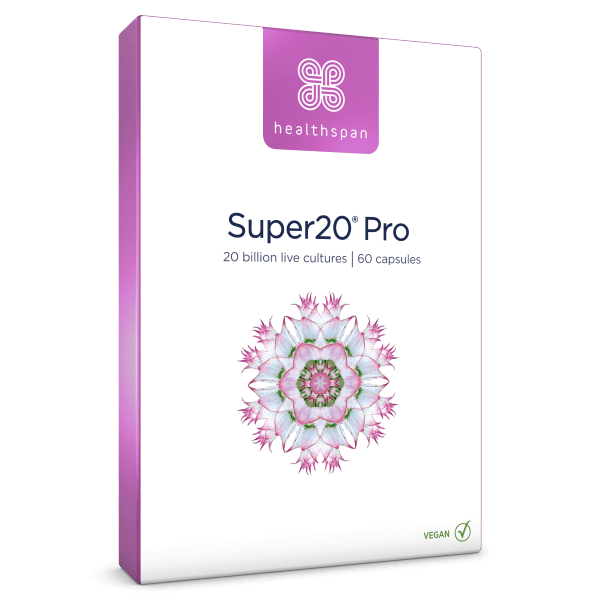
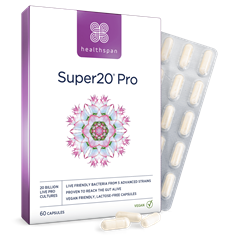
Super20® Probiotic
20 billion live cultures from five strains
- Includes Lactobacillus acidophilus and Lactobacillus paracasei
- Also contains Bifidobacterium lactis and Bifidobacterium bifidum
- Follow the product label and monitor your individual response
Q. Which nutrients can help with recovery after joint surgery?
A. Eating a balanced diet helps you get the nutrients you need. Vitamin C is used to make collagen, which is an important part of joint cartilage. You should make sure you're getting enough calcium for your bones, which will come from dairy, dried fruits and nuts.
You'll also need to ensure you're getting enough vitamin D. NHS advice is to consider a daily supplement providing 10 micrograms during autumn and winter. Some people need a supplement throughout the year; follow any specific advice from your healthcare team.5
Finally, collagen supplements are used by many athletes when recovering from injury. This does not establish that a collagen supplement will improve recovery after joint surgery. Follow your surgeon's rehabilitation advice and check with your healthcare team before starting supplements around an operation.

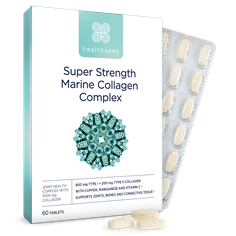
Super Strength Marine Collagen Complex
Type I and type II collagen with added vitamin C
- 1,000mg collagen per tablet: 800mg type I from fish and 200mg type II from chicken
- Vitamin C contributes to normal collagen formation for the normal function of cartilage
- One-a-day tablet with added copper and manganese