











Plant sterols and statins can both lower cholesterol, but they work in different ways and are not interchangeable. Jane Collins looks at how they compare, possible side effects, liver safety and whether they can be taken together.
🕒 9 min read
Heart and circulatory diseases remain one of the UK's biggest health challenges, and high cholesterol is an important risk factor. Lifestyle changes such as eating a balanced diet, being physically active, maintaining a healthy weight and not smoking can all help to manage cholesterol.
For some people, medicines such as statins are also recommended. Plant sterols can lower blood cholesterol too, but they work differently from statins and should not be considered a replacement for prescribed cholesterol-lowering medication.
What exactly is cholesterol?
Cholesterol is a fatty substance found in your blood and cells. Your body needs some cholesterol to function normally, including to make cell membranes, hormones and vitamin D. However, having too much cholesterol in your blood can increase your risk of heart and circulatory disease.
A cholesterol blood test may include total cholesterol, HDL cholesterol and non-HDL cholesterol. Your GP will interpret these results alongside factors such as your age, blood pressure and other health conditions when assessing your overall cardiovascular risk.
For more information, read our guide to cholesterol and how to lower it.
LDL and non-HDL cholesterol
LDL (low-density lipoprotein) cholesterol is often called 'bad' cholesterol because high levels can contribute to fatty deposits building up in artery walls. Non-HDL cholesterol includes LDL and other cholesterol-carrying particles associated with cardiovascular risk.
HDL cholesterol
HDL (high-density lipoprotein) cholesterol is often called 'good' cholesterol. It helps transport cholesterol away from the arteries and back to the liver. Cholesterol results are best considered as part of your overall cardiovascular risk rather than looking at a single number in isolation.
How is cholesterol measured?
The only way to know your cholesterol level is to have a blood test. This can be arranged through your GP and may also be available through pharmacies or health checks.
The NHS explains that cholesterol results should be considered alongside your wider health and risk of cardiovascular disease.
What are statins and how do they lower cholesterol?
Statins are medicines used to lower cholesterol and reduce the risk of cardiovascular problems such as heart attack and stroke. They are among the most commonly prescribed medicines in the UK.
Statins work by reducing the amount of cholesterol your body makes. They inhibit an enzyme involved in cholesterol production in the liver, helping to lower the amount of cholesterol circulating in the blood.
Different statins and doses can lower cholesterol by different amounts. Your doctor will recommend treatment based on your cholesterol levels, medical history and overall risk of developing cardiovascular disease.
NICE guidance recommends considering lifestyle changes and individual cardiovascular risk when deciding whether statin treatment is appropriate. If you have been prescribed a statin, do not stop taking it or alter the dose without speaking to your doctor or pharmacist.
Like all medicines, statins can cause side effects, although many people take them without problems.
The NHS lists possible symptoms including headache, dizziness, digestive symptoms, tiredness, muscle pain and sleep problems. However, a large review of randomised trials published in 2026 found that most symptoms commonly listed on statin information leaflets occurred just as often in people taking placebo tablets.
If you develop symptoms that you think may be linked to your statin, speak to your GP or pharmacist. Different statins and doses are available, so treatment can often be reviewed rather than stopped altogether.
What are plant sterols and how do they work?
Plant sterols, also called phytosterols, are naturally occurring compounds found in plants. They have a similar structure to cholesterol, which allows them to compete with cholesterol for absorption in the intestine.
When plant sterols are present in the digestive system, less cholesterol is absorbed into the bloodstream and more is removed from the body. Plant stanols are closely related compounds and work in a similar way.
Plant sterols are naturally present in foods including vegetable oils, nuts, seeds, wholegrains, pulses, fruit and vegetables. However, these foods generally provide much smaller amounts than the quantities associated with cholesterol-lowering effects, which is why plant sterols are also added to fortified foods and used in supplements.
For a more detailed explanation, read how plant sterols work to lower cholesterol or browse our plant sterols range.
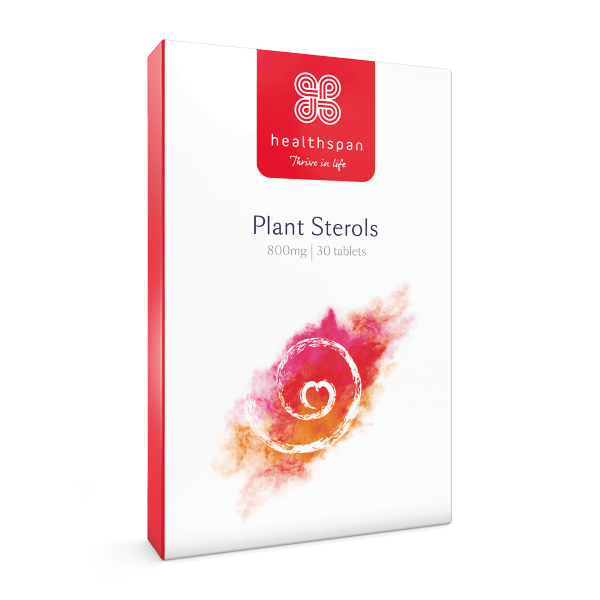
Plant Sterols 800mg
Scientifically shown to lower cholesterol
- 800mg plant sterols per tablet
- Two to three tablets daily to help lower blood cholesterol
- One tablet daily contributes to the maintenance of normal blood cholesterol levels
Plant sterols vs statins: what's the difference?
Plant sterols and statins both lower cholesterol, but they do so in different ways. Statins reduce the amount of cholesterol made by the body, while plant sterols reduce the amount of cholesterol absorbed in the intestine.
| Feature | Plant sterols | Statins |
|---|---|---|
| What are they? | Naturally occurring plant compounds found in foods, fortified foods and supplements. | Medicines used to lower cholesterol and reduce cardiovascular risk. |
| How do they work? | Reduce cholesterol absorption in the intestine. | Reduce the amount of cholesterol made by the body. |
| Effect on cholesterol | Regular intakes of around 1.5 to 3g a day can reduce cholesterol by around 7 to 12%, although individual responses vary. | The amount cholesterol is reduced depends on the type of statin and the prescribed dose and is generally greater than the reduction achieved with plant sterols. |
| Evidence for preventing heart attack and stroke | Plant sterols lower blood cholesterol, but studies have not shown that they directly reduce the risk of heart attack or stroke. | Statins have strong evidence for reducing the risk of heart attack and stroke in people for whom treatment is appropriate. |
| Can they be used together? | They may be used alongside cholesterol-lowering medication, but speak to your doctor or pharmacist first. | Continue prescribed treatment unless your doctor advises otherwise. |
Plant sterols should therefore not be treated as a substitute for prescribed statins. The British Heart Foundation notes that statins generally produce a larger reduction in cholesterol and have evidence for reducing cardiovascular risk.
What are the side effects of plant sterols?
Plant sterols are generally considered safe and well tolerated when used at recommended amounts. They may reduce the absorption of some carotenoids, so it is important to continue eating a varied, balanced diet containing plenty of fruit and vegetables.
There are some important exceptions. People with the rare inherited condition sitosterolaemia should avoid plant sterol-enriched products because their bodies absorb unusually large amounts of plant sterols.
Healthspan Plant Sterols are also not suitable for pregnant or breastfeeding women or children under five years. If you take prescribed medicines or have a medical condition, speak to your doctor or pharmacist before starting a supplement.
Can plant sterols cause liver damage?
There is currently no evidence that long-term use of plant sterols and stanols at the recommended dose causes liver damage in the general population.
The British Heart Foundation states that there is no evidence that correct-dose long-term use is detrimental to health, including the liver.
The rare condition sitosterolaemia is different because plant sterols can build up abnormally in the blood and tissues. Anyone diagnosed with this condition should avoid plant sterol-enriched products and follow specialist medical advice.
How much plant sterols should you take per day?
Plant sterols have two authorised cholesterol-related uses depending on the amount consumed:
- At least 800mg a day contributes to the maintenance of normal blood cholesterol levels.
- 1,500mg to 3,000mg a day has been shown to lower or reduce blood cholesterol. High cholesterol is a risk factor in the development of coronary heart disease.
Healthspan Plant Sterols contain 800mg per tablet. The directions are to take one tablet daily to help maintain normal blood cholesterol levels, or two to three tablets daily to help lower blood cholesterol.
The British Heart Foundation advises that there is no additional cholesterol-lowering benefit from consuming more than 3g of plant sterols or stanols a day, and higher intakes are not recommended.
When should you take plant sterols?
Plant sterols work in the intestine, so they should be taken with food. The British Heart Foundation advises that they can be taken in one portion or divided between meals during the day.
The important thing is consistency: plant sterols need to be consumed every day at an effective amount for their cholesterol-lowering effect to be maintained.
For more practical dietary advice, see our six food swaps to lower cholesterol.
Can you take plant sterols and statins together?
Plant sterols and statins work in different ways, so plant sterols may provide an additional cholesterol-lowering effect when used alongside statin treatment.
However, plant sterols should not replace prescribed statins. If you already take a statin or another cholesterol-lowering medicine, speak to your doctor or pharmacist before adding a plant sterol supplement.
Do not stop taking a prescribed statin, reduce your dose or replace it with a supplement without discussing this with your doctor. If you think you are experiencing side effects, your doctor can review your treatment and discuss the options available.
Plant sterols and statins: frequently asked questions
Still have questions about plant sterols and statins? Find quick answers to some of the most common queries below.
Are plant sterols safer than statins?
Plant sterols and statins are different products with different purposes and evidence, so one cannot simply be described as safer than the other. Plant sterols are generally well tolerated at recommended amounts, while most people can also take statins without problems. The appropriate option depends on your health, cholesterol levels and cardiovascular risk.
Can plant sterols replace statins?
No. Plant sterols can lower blood cholesterol, but they should not be used as a replacement for prescribed statins. Statins have evidence for reducing the risk of cardiovascular events in people for whom they are recommended. If you want to change cholesterol-lowering medication, speak to your doctor first.
Do plant sterols lower LDL cholesterol?
Yes. Plant sterols reduce the absorption of cholesterol in the intestine, helping to reduce LDL and non-HDL cholesterol. Consuming around 1.5 to 3g every day can reduce blood cholesterol by approximately 7 to 12%, although individual responses vary.
How long do plant sterols take to work?
The cholesterol-lowering effect can usually be seen within around two to three weeks when plant sterols are consumed consistently at an effective daily amount. They need to continue to be consumed regularly because the effect is lost when you stop taking them.
Can plant sterols cause liver damage?
There is no evidence that long-term use of plant sterols or stanols at the recommended dose causes liver damage in the general population. People with the rare inherited condition sitosterolaemia should avoid plant sterol-enriched products.
Should I take plant sterols if my cholesterol is normal?
Products containing higher amounts of plant sterols are primarily intended for people who need to manage their cholesterol. If your cholesterol is already within your recommended range and you are unsure whether a plant sterol supplement is appropriate, speak to a healthcare professional.
Who should not take plant sterols?
People with sitosterolaemia should avoid plant sterol-enriched products. Healthspan Plant Sterols are not suitable for pregnant or breastfeeding women or children under five. Anyone taking prescribed medicines or living with a medical condition should check with their doctor or pharmacist before taking supplements.
Can you take plant sterols and statins at the same time?
They can be used together in some circumstances because they lower cholesterol through different mechanisms. Plant sterols may provide an additional cholesterol-lowering effect alongside statins, but you should speak to your doctor or pharmacist before adding supplements to prescribed cholesterol treatment.
Looking after your cholesterol
Plant sterols are one option for helping to manage cholesterol, but they should form part of a broader approach that includes a healthy balanced diet, regular physical activity, not smoking and maintaining a healthy weight.
If you have high cholesterol or an increased risk of cardiovascular disease, your GP can advise whether cholesterol-lowering medication is appropriate for you.
For more practical advice, read what you need to know about cholesterol and how to lower it, discover our six food swaps to lower cholesterol, or learn more about how plant sterols work.
Top ↑

%20Sep24-v2.png)
