










Our digestive health is closely linked to how we feel emotionally, and stress can affect it in several ways. From that fluttering feeling you get before an upcoming work presentation, to having your stomach clench up in knots under pressure, when we experience stress it's not uncommon for your gut to feel it first.
Research reveals as many as 86 per cent of Brits have suffered gastrointestinal problems in the last year, including wind, bloating, indigestion, acid reflux, constipation and irritable bowel syndrome (IBS), with over a third attributing it to stress.
The brain/gut axis
Our emotions and digestive functions are inextricably linked and when we're stressed, we experience a surge of hormones in the body. This 'fight or flight' response helps us deal with pressure or stressful situations.
These hormones directly affect the communication between the brain and the digestive tract, which scientists refer to as the brain-gut axis. To compensate for these hormones, your stomach activity (and the muscles involved with digestion) slows down.
If you have ongoing stress, these hormones will remain in your body and your digestive tract will remain permanently affected, leading to gut symptoms including acid reflux and heartburn.
Gut bacteria
Our gut is home to more than 100 trillion types of friendly bacteria, called gut flora. This gut flora plays an active role in protecting our immune system. It also inhibits the growth of more harmful bacteria, and helps to digest food and absorb essential nutrients.
A study, published in Brain, Behaviour and Immunity, found stress can change the balance of bacteria that naturally live in the gut, contributing to conditions like IBS.
Stress and your gut
Stomach pain, constipation and feeling bloated are all symptoms of stress. Gastro-oesophageal reflux disease (GERD), a common condition where acid leaks up into the oesophagus, is also strongly related to stress. A study, published in Internal Medicine, looked at 12,653 people with GERD and found nearly half of participants said stress was the biggest factor that worsened symptoms.
Women are more likely to experience stress than men, so it's little wonder IBS, a condition that causes abdominal pain, bloating cramps and constipation and diarrhoea, is much more common for women than men. About half of people with IBS can relate the start of symptoms to a stressful event in their life, such as a bereavement, changing jobs, or moving home.
5 ways to manage your stress
Feeling overwhelmed by the stresses of daily life? Here are five ways to stay calm and collected:
- Get moving: As well as stimulating the production of endorphins, the feel-good hormones that can alleviate feelings of depression and anxiety, exercise regulates the release of the stress hormone cortisol. A study, published by Psychoneuroendocrinology, found vigorous exercise helped reduce stress levels amongst undergraduate students.
- Eat a healthy, well-balanced diet: Include foods rich in vitamin C, such as blueberries, strawberries, peppers and spinach. In one 2017 study, published by vitamin C was effective in reducing anxiety and high blood pressure in response to stress.
- Don't slip into bad habits: While opening a bottle of wine at the end the day may seem relaxing, it can increase stress symptoms. In the long run, alcohol can contribute to feelings of depression and anxiety, making stress harder to deal with. Similarly, reaching for junk food when you're stressed will only make it worse. Scientists at Emory University found that fructose can alter how the brain responds to stress and may exacerbate anxiety and depression.
- Stick to a sleep routine: The Royal College of Psychiatrists recommends getting up and going to bed at the same time every day; making the bedroom comfortable - with the right temperature and noise levels; taking time to relax before going to bed; and having a mattress that supports you.
- Learn to chill: Relaxation techniques such a yoga and deep-breathing exercises can be helpful for stress relief. Research suggests that mindfulness meditation, a technique that allows us to live in the present, rather than stress about the past and worry about the future, can reduce the effects of stress and even improve the quality of sleep.
Supplements for gut health
- Globe artichoke extracts contain inulin, a prebiotic fibre that increases levels of 'good' bacteria in the gut, as well as lowering cortisol.
- Milk thistle can be used to help relieve the symptoms of over indulgence and indigestion, providing a natural way to help cure an upset stomach.
- Aloe vera may help with digestive discomfort and studies show it can help manage certain symptoms of IBS.
- Green tea stimulates and improves digestion. A study, published in the Journal of Agricultural and Food Chemistry, found that catechins in green tea increase the activity of the digestive enzyme pepsin, which breaks down proteins in the stomach.
- Probiotics and Prebiotics help to restore the natural balance of bacteria in the gut. One study, published by Psychopharmacology, found that taking prebiotics reduced levels of the stress hormone cortisol in healthy volunteers.
The good news is that there are several digestion supplements you can take to look after your gut.
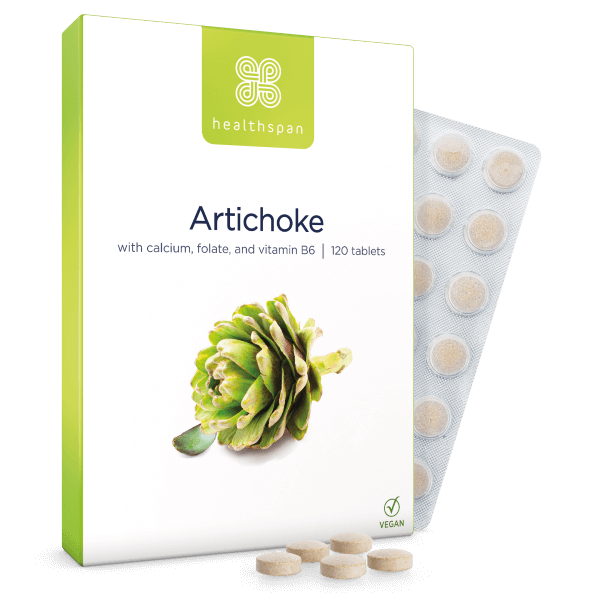
Artichoke Extract
Supports digestion and liver health
- 360mg artichoke extract with 7.2mg cynarin per tablet
- Extracted from the stems and leaves of the plant
- Added calcium for digestion and vitamin B6 for metabolism
