









There are many health benefits associated with sufficient vitamin D levels. Here's how to make sure you're getting enough.
🕒 6 min read
You might know vitamin D as a nutrient responsible for calcium absorption and skeletal health, but it also helps to maintain normal muscle function and a healthy immune system.
But how can we ensure we get enough vitamin D each day? And is it possible to reach the recommended intake through diet? This article is here to help.

Read this guide to why vitamin D is important, and how to make sure you're getting enough.
Read more
How much vitamin D do we need daily?
The NHS advises adults to consider a daily supplement containing 10mcg (400 IU) of vitamin D in autumn and winter. People with little sun exposure or darker skin should consider taking it throughout the year.1
Some people need a different dose, particularly when treating a diagnosed deficiency. Your GP or pharmacist can advise on the amount that is right for you; a higher dose is not automatically needed.
Vitamin D production varies between people. Those with darker skin, people who spend little time outside and those who cover most of their skin outdoors are at greater risk of not getting enough from sunlight.1
Can we get enough vitamin D from sunlight?
During autumn and winter in the UK, sunlight is not strong enough for your skin to make sufficient vitamin D. From late March or early April to the end of September, most people can make enough from sunlight. Protect your skin during longer periods outdoors.1
Even during the summer months, the amount of vitamin D we make from the sunshine on our bare skin is highly variable. Some of the factors that affect how much vitamin D we make in our skin include:
- The time of day
- Our latitude
- How dark our skin is – the darker our skin, the less vitamin D we make
- The use of sun cream – sunscreen blocks our natural production of vitamin D
- How much of our body is exposed to the sun
- How old we are
- Our body size and whether we are overweight
- Even altitude, air pollution, and how overcast it is can affect how we make vitamin D from sunshine
What's more, many of us simply don't get enough sun exposure. We spend too much time indoors, or we cover up with sunscreen (something we must do to protect our skin) when we're outside, which inhibits vitamin D synthesis.
Can we get what we need from our diet?
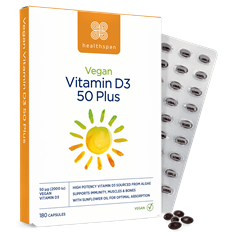
Sadly, there are few reliable dietary sources of vitamin D. This is especially the case for vegetarians and vegans. Foods and supplements may contain vitamin D2 or D3. D3 can come from animal sources, but vegan D3 made from algae or lichen is also available. Our guide to vegan vitamin D3 explains the difference.
Some plant-based drinks, cereals and spreads are fortified with vitamin D. Amounts vary by brand and serving size, so check the label rather than assuming every product provides the same amount.
Which foods contain vitamin D3?
Oily fish, including salmon, sardines and mackerel, are among the richest food sources of vitamin D. The amount depends on the species and preparation. For example, UK food data lists around 7.8mcg per 100g for farmed, grilled salmon, compared with 13.6mcg for canned pink salmon in brine, drained.2
Sardines and mackerel are also good sources. UK data lists around 8.5mcg per 100g for grilled mackerel, 5.1mcg for grilled sardines and 3.3mcg for sardines canned in brine, drained.2
Although oily fish is a good source of vitamin D3, most of us are unlikely to eat it every day. A vitamin D-rich meal can contribute substantially to your intake, but food alone can be difficult to rely on consistently.1
Eggs and liver can also contribute smaller amounts of vitamin D. A boiled egg provides around 1.7mcg in the UK food data. Fortified foods offer another way to top up your intake, especially if you do not eat fish.2
It's easy to see why diet provides such a low proportion of our daily vitamin D requirements. There simply aren't enough vitamin D-rich foods that can feasibly be incorporated into our meals. A varied, balanced diet remains important. Although getting enough vitamin D from food alone can be difficult, it's important not to discount food sources of vitamin D as an important top-up. Every little helps, after all.
Vitamin D in foods: salmon, sardines, mackerel and more
These are approximate amounts, not guaranteed values for every product. Fish values are shown per 100g to make comparison easier; the egg figure is per typical egg. Check fortified-food labels.2
| Food | Amount compared | Approximate vitamin D |
|---|---|---|
| Salmon, farmed and grilled | 100g | 7.8mcg |
| Salmon, pink, canned in brine and drained | 100g | 13.6mcg |
| Mackerel, grilled | 100g | 8.5mcg |
| Sardines, grilled | 100g | 5.1mcg |
| Sardines, canned in brine and drained | 100g | 3.3mcg |
| Egg, whole and boiled | 1 typical egg | 1.7mcg |
| Fortified breakfast cereal | Check pack serving | Varies: check the label |
| Fortified plant-based drink | Check pack serving | Varies: check the label |
So, what's the solution?
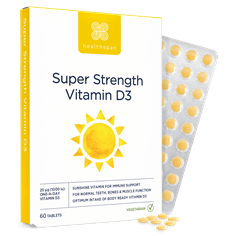
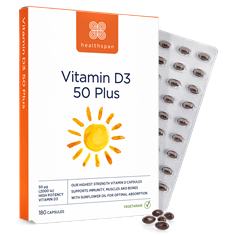
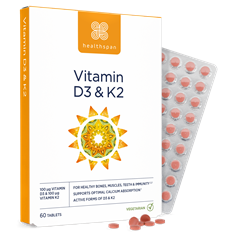
A vitamin D supplement is a practical way to top up your intake when food and sunlight are not enough. Consider 10mcg (400 IU) daily in autumn and winter, or throughout the year if you have little sun exposure or darker skin. Follow personalised advice if you have a diagnosed deficiency.1
Explore our Vitamin D range for different strengths and formats, or read how to increase your vitamin D levels.
This doesn't mean that we should discount the sunshine or our diet as helpful ways to keep our vitamin D levels topped up. Rather, we should be looking to use supplements alongside the right food and sensible sun exposure to ensure we're not deficient in what's proven to be an absolutely essential nutrient.