








Could zinc lozenges help your cold clear sooner? Professor Graeme Close explores the science behind zinc, why the form and dose matter, and how to choose a suitable product.
🕒 6 min read
Does zinc help with colds?
Zinc may shorten the duration of an existing cold, although the evidence is uncertain and results depend on the studies and preparations used. A 2024 Cochrane review found that zinc treatment may reduce cold duration by approximately two days, but confidence in that estimate was low.2
That makes zinc lozenges an interesting option to explore, particularly when you understand the difference between a short-term lozenge regimen and a daily nutritional supplement.

Elite Zinc Defence Lozenges
Peppermint-flavoured zinc acetate lozenges
- 34mg zinc acetate providing 10mg ionic zinc per lozenge
- Designed to dissolve slowly in the mouth
- Informed-Sport accredited
What is a common cold?
In simple terms a cold is a mild viral infection of the nose, throat, sinuses and upper airways. Symptoms can include a runny nose, sore throat, sneezing and coughing. Most people begin to feel better within one to two weeks.1
The current advice is to rest, drink plenty of fluids and, if needed and suitable for you, use medicines such as paracetamol or ibuprofen to ease symptoms. Zinc is an additional area of research, rather than a reason to abandon ordinary cold care.1
Zinc and the immune system – how zinc lozenges may help
For many years, it has been known that zinc deficiency compromises the immune system, increasing the risk of infections. Zinc is required for the normal development and function of immune cells, so obtaining enough through your diet is important.6
Interest in lozenges centres on dissolving zinc in the mouth, rather than simply swallowing a supplement. Researchers have proposed that zinc ions may have local effects in the throat, although the precise mechanism and best formulation are still being investigated.4
Zinc acetate – why this form, and at what dose?
A series of trials has produced differing results. The variation may partly reflect the specific composition of the lozenge. Zinc products use differing salts, including zinc acetate and zinc gluconate.
In a 2011 systematic review, the pooled result from three trials using zinc acetate at more than 75mg elemental zinc daily indicated a 42% reduction in cold duration.3 This was a finding from particular trials, rather than a guaranteed benefit from every lozenge.
A later analysis found no statistically significant difference between acetate and gluconate lozenges in the higher-dose trials it included.4 The broader 2024 Cochrane review also highlighted differences between studies and uncertainty about benefits.2
It must be stressed that 75mg is not a precise threshold established for everyone. Further research is needed to define the most useful formulations and doses; research amounts should not automatically become your personal dose.
How to use zinc lozenges: timing and dosage
- Check the elemental zinc: each Elite Zinc Defence lozenge provides 10mg ionic zinc from 34mg zinc acetate.
- Let it dissolve slowly: use the lozenge in the mouth as directed, rather than treating it like a tablet to swallow.
- Check the daily amount: count zinc from other supplements as well. The NHS advises not taking more than 25mg of zinc supplements daily unless a doctor advises it.5
- Keep use within the product’s stated duration: check the current pack and seek advice if symptoms persist.
The Elite product’s adult directions describe one lozenge every two to three hours as required, up to a maximum of nine daily, for up to ten days. That maximum supplies 90mg zinc and exceeds the NHS’s general supplement advice; speak to a doctor before using an amount above 25mg daily. A product’s maximum is not a target to aim for.
Some positive studies started lozenges within 24 hours of symptoms beginning.4 If you are considering them, checking suitability and directions promptly is more useful than increasing the dose later.
Zinc acetate versus elemental zinc
There is some confusion with regards to the total amount of zinc in supplements. It is important to understand the total dose of elemental zinc in the product – the amount of zinc itself, rather than the combined weight of zinc and its accompanying compound.
For example, the Elite lozenge contains 34mg zinc acetate providing 10mg ionic zinc. When calculating your total intake, count the 10mg, rather than the 34mg. Read the nutrient table as well as the ingredient name.
How are zinc lozenges different from daily zinc tablets?
Lozenges dissolve in the mouth; a daily tablet is swallowed to contribute to nutritional intake. The cold-lozenge research should not be treated as a promise that an ordinary zinc tablet will have the same effect.
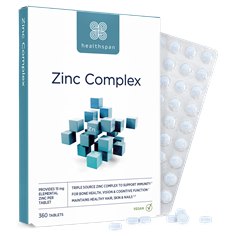
If your interest is everyday nutritional support, Zinc Complex provides 15mg elemental zinc, 80mg vitamin C and 1mg copper per tablet. Its adult directions are one tablet daily with water. Compare the format with your needs, and avoid stacking zinc products without checking the total.
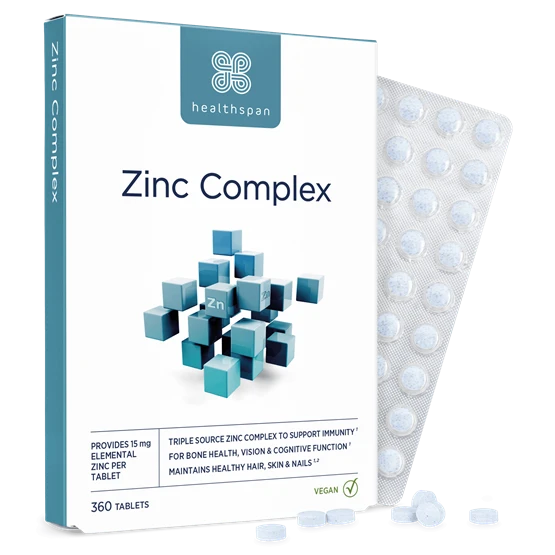
Zinc Complex
A daily zinc formula with vitamin C and copper
- 15mg elemental zinc from three sources
- 80mg vitamin C and 1mg copper per tablet
- One tablet daily for adults
Safety of high-dose zinc
The educated reader may be wondering why doses used in some cold trials are much higher than everyday zinc requirements. The NHS gives daily requirements of about 9.5mg for adult men aged 19–64 and 7mg for women. Long-term high-dose supplementation can reduce copper absorption and lead to anaemia and weakened bones.5
Short trial durations do not establish that high doses are suitable for everyone. Zinc can cause nausea, stomach discomfort or an unpleasant taste, and can interact with some antibiotics and penicillamine. Ask a pharmacist to check your medicines and seek advice before use during pregnancy, breastfeeding or for a child.6
Seek medical advice if cold symptoms worsen, you have shortness of breath or chest pain, or symptoms are not improving after ten days.1
Conclusion and recommendations
At some point in the year the chances are we are going to get a cold. Zinc lozenges remain an interesting area of research, with some evidence for a shorter illness. Choose with the form, elemental zinc content and appropriate daily amount in mind, alongside rest, fluids and usual symptom care.
Zinc lozenges FAQs
Does zinc help with colds?
Zinc may shorten an existing cold, but results vary between studies. The 2024 Cochrane review estimated a reduction of around two days, with low certainty in the evidence. It is not a guaranteed result for an individual lozenge or person.2
Are zinc acetate lozenges better than zinc gluconate?
Both forms have been studied. A 2017 analysis found no statistically significant difference between acetate and gluconate lozenges in the included higher-dose trials. Compare the whole formulation, elemental zinc content and directions rather than the salt name alone.4
When should I start using zinc lozenges?
Several positive trials began treatment soon after cold symptoms appeared, often within 24 hours. If you choose a lozenge, read its directions early and check the dose is suitable for you; do not increase it to copy a research study.4
Should I chew zinc lozenges or let them dissolve?
Let a product designed as a lozenge dissolve slowly in the mouth, following its label. This is a different way of taking zinc from swallowing a daily supplement tablet.
Can I take zinc lozenges and Zinc Complex together?
Check your total supplemental zinc first. Zinc Complex supplies 15mg per tablet and each Elite lozenge supplies 10mg. Include multivitamins in the total, and follow the NHS advice to seek a doctor’s guidance before exceeding 25mg of supplemental zinc daily.5
Can zinc prevent colds?
Zinc is needed for normal immune function, but prevention and shortening an existing cold are different questions. The 2024 Cochrane review found that preventive supplementation may make little or no difference to the chance of catching a cold.2