













Omega-3 fish oil and cod liver oil both provide EPA and DHA, but cod liver oil also contains vitamins A and D. Here's what's actually in each, where they differ and which may be the better fit for you.
🕒 7 min read
You'll often see omega-3 fish oil and cod liver oil sitting side by side, at similar prices, doing what looks like a similar job. They aren't quite the same thing.
Cod liver oil is extracted from the liver of cod and provides vitamins A and D as well as omega-3. Fish oil is generally derived from the tissues of oily fish and is often concentrated to provide higher levels of the long-chain omega-3 fatty acids EPA and DHA. That difference in source shapes what each one provides and who each may be best suited to.
This guide explains what's actually in each, where they differ and which may be the better fit depending on what you're taking it for.
What is cod liver oil?
Cod liver oil is exactly what it sounds like: oil extracted from the liver of cod. It is one of the oldest types of nutritional supplement and has been used for generations across northern Europe.
Cod liver oil naturally provides the omega-3 fatty acids EPA and DHA alongside the fat-soluble vitamins A and D. That combination is one of its main attractions, but the presence of vitamin A also means there are some important considerations that don't apply in the same way to standard fish oil.
What is an omega-3 fish oil supplement?
Omega-3 fish oil supplements are generally produced from oily fish such as salmon, mackerel, sardines and anchovies rather than from fish livers.
Standard fish oil supplements are primarily used as a source of EPA and DHA and do not naturally have the same vitamin A and D profile as cod liver oil. This means they avoid the specific vitamin A considerations associated with fish liver oils, although you should still follow the recommended intake for the product you choose.
For anyone whose main goal is maximising EPA and DHA intake, a concentrated omega-3 fish oil supplement may also provide more of these fatty acids per capsule than a standard cod liver oil product.
What's the difference between cod liver oil and omega-3?
Both cod liver oil and omega-3 fish oil contain EPA and DHA, which is why they can look interchangeable on the shelf. The key difference is that cod liver oil naturally contains vitamins A and D alongside its omega-3s, whereas standard fish oil is primarily a source of EPA and DHA.
| Feature | Cod liver oil | Omega-3 fish oil |
|---|---|---|
| Source | Oil from cod livers | Usually oil from the tissues of oily fish |
| EPA | Yes | Yes |
| DHA | Yes | Yes |
| Vitamin A | Naturally present | Not normally a key component of standard fish oil |
| Vitamin D | Naturally present | Not normally a key component of standard fish oil |
| May suit you if... | You want omega-3 alongside vitamins A and D | EPA and DHA are your main priority |
What are the benefits of cod liver oil?
Cod liver oil provides EPA and DHA alongside vitamins A and D.
DHA contributes to the maintenance of normal brain function and normal vision. The beneficial effects for brain function and vision are obtained with a daily intake of 250 mg DHA. EPA and DHA together contribute to the normal function of the heart, with the beneficial effect obtained with a daily intake of 250 mg EPA and DHA.1
EPA and DHA also contribute to the maintenance of normal blood pressure when consumed at 3 g per day. When this claim is used for food supplements, consumers should also be advised not to exceed a supplemental daily intake of 5 g of EPA and DHA combined.1
Vitamin D contributes to the maintenance of normal bones and muscle function and to the normal function of the immune system. Vitamin A contributes to the maintenance of normal vision and skin and to normal immune function.1
Vitamin D status is particularly relevant in the UK. A 2026 review drawing on data from almost 450,000 UK Biobank participants reported that the proportion with 25-hydroxyvitamin D levels below 50 nmol/L rose to 68-71% during winter and spring.4 Cod liver oil can therefore provide vitamin D alongside omega-3, although you should still consider your overall intake of vitamins A and D from other foods and supplements.
What are the benefits of omega-3 fish oil supplements?
Omega-3 fish oil supplements focus primarily on EPA and DHA. This can make them a useful option when these long-chain omega-3 fatty acids are your main priority or when you want to avoid additional vitamin A from a fish liver oil.
As with cod liver oil, the EPA and DHA supplied by fish oil can contribute to normal heart function, while DHA contributes to the maintenance of normal brain function and normal vision when the required daily intakes are met.1
Concentrated fish oil products may also provide more EPA and DHA in each capsule than standard cod liver oil products, so it is worth checking the actual EPA and DHA content rather than comparing only the total amount of oil shown on the front of the pack.
Who should be cautious about taking cod liver oil?
The NHS advises that you should not take cod liver oil or supplements containing vitamin A, sometimes called retinol, during pregnancy because too much vitamin A can harm your baby's development.2
If you're pregnant, likely to become pregnant or trying to conceive, check the label and speak to your doctor, pharmacist or antenatal team before choosing a supplement containing vitamin A. Healthspan's cod liver oil products also advise against use during pregnancy or where pregnancy is likely, except on the advice of a doctor or antenatal clinic.
Anyone who eats liver regularly should also pay close attention to their vitamin A intake. The NHS advises that if you take supplements containing vitamin A, your daily intake from food and supplements should not exceed 1,500 micrograms. If you eat liver every week, the NHS advises not taking supplements containing vitamin A.3
The same principle applies if you already take a multivitamin or another supplement containing vitamin A: check the amounts across everything you use rather than considering each supplement in isolation.
Is there a downside to taking cod liver oil?
The main consideration is its vitamin A content and the need to account for other sources of vitamin A in your diet and supplement routine.
Taste can also be a consideration for liquid cod liver oil. Modern flavoured products offer an alternative to traditional unflavoured oils: Möller's Omega 3 Cod Liver Oil Liquid, for example, has lemon flavouring and has received several Superior Taste Awards.
Can I take cod liver oil every day?
Many cod liver oil products are formulated for daily use. The important thing is to follow the recommended daily dose for the specific product and take account of any other foods or supplements that provide vitamin A.
If you take prescribed medication, have a medical condition or are unsure whether cod liver oil is suitable for you, speak to your doctor or pharmacist before taking it.
Which is better: cod liver oil or omega-3?
The answer genuinely depends on who's asking. Both provide EPA and DHA, but they can suit slightly different needs.
Cod liver oil may make more sense if you want omega-3 alongside vitamins A and D in a single supplement and you have no reason to avoid additional vitamin A.
A concentrated omega-3 fish oil supplement may make more sense if maximising EPA and DHA is the priority, if you already receive vitamins A and D elsewhere, or if you specifically want to avoid additional vitamin A.
An algae-based omega-3 may be preferable if you're vegetarian, vegan or simply want a fish-free source of EPA and DHA.
Can I take cod liver oil instead of omega-3?
Yes. Cod liver oil contains EPA and DHA and can contribute to your omega-3 intake.
The key is to compare the amount of EPA and DHA in the recommended serving. Cod liver oil and concentrated fish oil products can provide very different amounts even where the number on the front of the pack looks similar.
For example, Healthspan Super Strength Cod Liver Oil 1200mg provides 220 mg EPA and 185 mg DHA per capsule alongside vitamins A and D.
Can you take cod liver oil and omega-3 together?
For most people, there is little reason to take both simply to obtain EPA and DHA because both products already provide these omega-3 fatty acids.
If you want higher levels of EPA and DHA but also want vitamin D, another option is to choose a concentrated omega-3 fish oil alongside a separate vitamin D supplement. This allows you to choose the amount of each independently without adding vitamin A from cod liver oil.
Check the recommended intake across all the supplements you take, and speak to a doctor or pharmacist if you take medication, have a medical condition or are unsure which combination is appropriate for you.
Healthspan's cod liver oil and omega-3 range
Healthspan offers several cod liver oil options. Super Strength Cod Liver Oil 1200mg provides 220 mg EPA and 185 mg DHA per capsule alongside vitamins A and D and is one of Healthspan's highest-strength cod liver oil options.
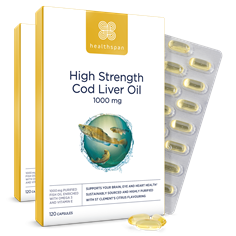
High Strength Cod Liver Oil 1000mg provides 115 mg EPA and 105 mg DHA per capsule alongside vitamins A and D, offering another capsule strength to choose from.
If you prefer liquid cod liver oil, Möller's Omega 3 Cod Liver Oil Liquid provides 500 mg DHA and 400 mg EPA in the recommended 5 ml adult serving, as well as vitamins A, D and E.
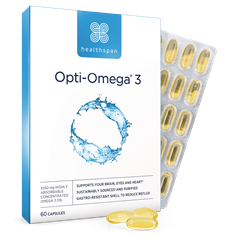
For concentrated fish oil, Opti-Omega® 3 provides 320 mg EPA and 320 mg DHA per capsule. It uses omega-3 in triglyceride form and a gastro-resistant capsule shell designed to release the oil in the intestine and help reduce the reflux and fishy aftertaste sometimes associated with fish oil capsules.
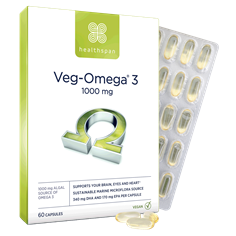
For a fish-free alternative, Veg-Omega® 3 1000mg provides 340 mg DHA and 170 mg EPA per capsule from microalgae and is suitable for vegetarians and vegans.
Browse the full cod liver oil range or omega-3 range to find the option that best suits your needs.
Cod liver oil and omega-3 fish oil both provide EPA and DHA. Cod liver oil also provides vitamins A and D, while concentrated fish oil focuses primarily on EPA and DHA. The best choice depends on the nutrients you want, the amount of EPA and DHA supplied and whether additional vitamin A is appropriate for you.