









As temperatures rise, dehydration, heat exhaustion, poor sleep and heavy legs can quickly take the shine off summer. Dr Hilary shares practical heatwave advice to help you stay well in hot weather.
🕒 6 min read
“The sun has got his hat on”, as the famous song goes, but have you?
We recently experienced an unusually protracted hot spell in late May, with the UK Health Security Agency needing to issue amber heat-health warning alerts to help protect the most vulnerable people and provide sensible advice and guidance for everyone else as well.
More heatwaves will undoubtedly follow. While we can all appreciate the joys of glorious sunny summer days, the fact is that our bodies undergo significant physiological changes in the heat, which can often lead to uncomfortable, unhealthy and sometimes serious consequences unless we are careful.
How hot weather affects the body
As the temperature rises, we need to lose more body heat by sweating. Unless this fluid is replaced, dehydration can develop, causing thirst, dry mouth, headache, dizziness and fatigue. Urine becomes more concentrated and darker in colour. The pulse rate rises as blood pressure drops.
These are symptoms of heat exhaustion, where the body’s temperature regulation system is struggling to cope. Heatstroke, a medical emergency, happens when the system fails altogether unless steps are taken urgently to bring the temperature down and replace the fluid that has been lost.
It is important not to wait for dehydration to kick in and cause symptoms in the first place. They can arise insidiously and, by then, dehydration may already be quite advanced.
Dehydration and electrolytes
Remember, it is not just water that is lost when we sweat and needs replacing. With it, electrolytes become depleted, especially sodium, which may contribute to muscle cramps, weakness, nausea and reduced physical and mental performance.
For those who are physically active, or who are less able to control body temperature, taking precautions is key.
Drinking water regularly is essential, but during hotter spells, electrolyte replacement can be useful, especially during exercise, whether that is simply pruning the roses in the garden or participating in your local 10k Sunday Parkrun.
Who is most at risk in hot weather?
According to official public health guidance from GOV.UK, overheating can make symptoms worse for people who already have problems with their heart or breathing.
Those at higher risk include people over 75, people who live alone or in a care home, people with heart or lung conditions, diabetes, kidney disease, Parkinson’s disease, certain mental health conditions, those taking multiple medicines, those who are bedbound and those with Alzheimer’s disease.
It is a long list, yet even young, otherwise healthy people can be affected.
Wearing looser, lighter, paler clothes may seem obvious, but you would be surprised how many people I have attended medically who have fainted and collapsed simply because they were wearing too many layers of thick clothing in the heat. This can contribute to a drop in blood pressure, which, together with dehydration, can have profound effects.
Sun protection in hot weather
When outdoors, stay in the shade during the hottest parts of the day, wear a wide-brimmed hat and UV-protective sunglasses, and apply a suitable sunscreen to all parts of the skin exposed to the sun.
Use the recommended generous amount and reapply it regularly so that the effects of sweating, swimming, showering and towelling dry are mitigated. Choose one that screens out UVA and UVB sunlight, as both are important considerations for sun protection. The higher the SPF factor, the greater the protection when used correctly.
Cancer Research UK reminds us that sunscreen is particularly important for young children, people with pale or white skin, people with freckles, red or fair hair and light-coloured eyes, those who tend to burn rather than tan, and those with multiple moles or a family history of skin cancer.
Sleeping in hot weather
Another problem people experience in hotter weather is difficulty sleeping. You find yourself tossing and turning, you cannot get comfortable, your mind is busy and your muscles may cramp.
Keep rooms inside your home, especially the bedroom, cooler by keeping blinds, curtains, shutters and windows closed during the day. A simple trick is to sprinkle a little water onto your bedsheets before going to bed and keep a cooling mist handy that you can spray on your face, so the evaporation of the water cools you naturally.
An ice pack wrapped in a flannel under your armpits or in your groin area can be a particularly effective way to bring down your overall body temperature.
A carefully chosen and appropriate magnesium supplement can also be useful as part of a reliable evening routine. Magnesium contributes to normal muscle function, normal psychological function, normal functioning of the nervous system, electrolyte balance and the reduction of tiredness and fatigue.
Swollen ankles and heavy legs
During hotter days, you are likely to notice some visual changes. Your skin is redder and more damp. You might notice a heat rash. Your veins may appear more prominent as they dilate to help your skin lose more heat.
As a result, they can leak more fluid and become less efficient at reabsorbing it. Consequently, extracellular fluid accumulates where gravity naturally sends it, namely around the feet and ankles.
On a very hot day, especially if you are travelling, standing or sitting for long periods, you may see indentations when your sock elastic bites, or when you squeeze the area with your fingertips. This is called pitting oedema and is very common.
You can minimise it by walking around and moving more, which activates the calf muscles and helps pump the fluid upwards again and back into the circulation. If sitting or lying, elevate the feet to combat gravity and the weight of blood within the veins.
Flight socks and compression stockings can be useful when travelling and may also help reduce the risk of deep vein thrombosis, but nobody wants to wear these on the beach or at poolside, so more natural methods remain important.
Heat-related ankle swelling is usually painless, short-lived and symmetrical on both sides. If the calf muscle is tender and the foot is red and swollen on one side only, seek medical advice.
Sometimes, even without oedema, your leg veins just feel heavy and ache. This is particularly the case if you have varicose veins or have stood for long periods. Here, the phrase “I need to put my feet up” is never more apt.
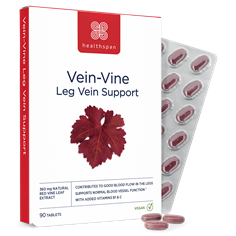
Red vine leaf with added vitamins is designed to support healthy leg vein function and leg comfort, particularly when legs feel heavy or tired in hotter weather.
Dr Hilary’s heatwave essentials
The bottom line is this: we welcome the warmer summer days, of course, but there can be downsides in a significant heatwave. This medical advice is designed to help you enjoy the hotter climate, certainly not to detract from it.
Based on what I have said, and on top of the natural common-sense precautions that you can put in place yourself, there are four recommendations I would make to help you make the most of the summer season.
Four summer essentials to consider
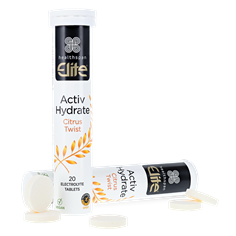
- Elite Activ Hydrate: in hot weather, and when physically active, these effervescent tablets contain sodium, calcium, potassium and magnesium to help replace electrolytes lost through sweat.
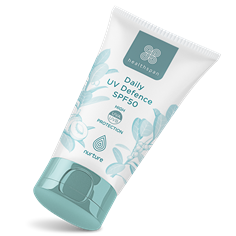
- Daily UV Defence SPF 50: this lightweight, non-greasy, water-resistant sunscreen helps protect skin from the sun when used as directed.
- Vein-Vine: this red vine leaf extract with added vitamins is designed to support healthy leg vein function and leg comfort.
- Magnesium Glycinate: magnesium contributes to normal muscle function, electrolyte balance, normal psychological function and the reduction of tiredness and fatigue.