









Vitamin B12 contributes to normal energy-yielding metabolism, red blood cell formation and nervous system function. Find out how much you need, the best food sources, the signs of deficiency and who may need to pay closer attention to their intake.
🕒 7 min read
Vitamin B12, also known as cobalamin, is an essential water-soluble vitamin. It is found naturally mainly in animal-derived foods, which means people following vegan diets, as well as older adults and people with certain digestive conditions, operations or medicines, may be more likely to have low levels.
Most people can get enough vitamin B12 from a varied diet, but deficiency can develop when intake is too low or when the body cannot absorb or process the vitamin properly. Because vitamin B12 is important for both blood formation and the nervous system, recognising possible deficiency matters.
What is vitamin B12?
Vitamin B12 is one of the eight B vitamins. It is also known as cobalamin and is needed for several normal processes throughout the body. Unlike most water-soluble vitamins, the body can store vitamin B12, mainly in the liver, so a dietary shortfall may take time to become apparent.
What does vitamin B12 do?
Vitamin B12 contributes to:
- Normal red blood cell formation
- Normal energy-yielding metabolism
- Normal functioning of the nervous system
- Normal psychological function
- Normal functioning of the immune system
- The reduction of tiredness and fatigue
These roles help explain why a deficiency can affect both energy-related symptoms and the brain and nervous system. The NHS guide to B vitamins provides further information on vitamin B12 and its dietary sources.
You can also read our guide to what the different B vitamins do.
How much vitamin B12 do you need?
The NHS advises that adults aged 19 to 64 need about 1.5 micrograms (µg) of vitamin B12 a day. People who regularly eat foods such as meat, fish, eggs and dairy products should usually be able to obtain enough from their diet.
Vitamin B12 from food must first be released during digestion and then bind to a protein called intrinsic factor before it can be absorbed in the small intestine. Age, digestive conditions, gastrointestinal surgery and some medicines can interfere with this process.
What foods are high in vitamin B12?
Vitamin B12 occurs naturally mainly in animal-derived foods. Good dietary sources include:
Including beef and other meats.
Among the richest natural sources of B12.
Including salmon, cod and mackerel.
Including clams and crab.
Including milk, yoghurt and cheese.
Another animal-derived source of B12.
Some breakfast cereals have vitamin B12 added.
Particularly useful for people following a vegan diet.
Fruit, vegetables and grains do not naturally provide reliable amounts of vitamin B12, so fortified foods are particularly important for people following a vegan diet. Check nutrition labels because the amount of added vitamin B12 varies between products.
What are the symptoms of vitamin B12 deficiency?
Vitamin B12 deficiency can cause a wide range of symptoms and may develop gradually. It can affect red blood cell production, but neurological symptoms can also occur even when anaemia is not present.
Possible symptoms include:
- Extreme tiredness, weakness or lack of energy
- Shortness of breath or rapid breathing
- Loss of appetite
- A sore or red tongue, sometimes with mouth ulcers
- Pins and needles or numbness
- Muscle weakness
- Problems with balance and coordination
- Changes in memory, understanding or judgement
- Psychological symptoms such as depression or anxiety
- Problems with vision
These symptoms are not specific to vitamin B12 deficiency and can have many other causes. The NHS advises speaking to a GP if you think you may have a vitamin B12 or folate deficiency.
Do not try to diagnose vitamin B12 deficiency from symptoms alone. If you have persistent symptoms, particularly numbness, pins and needles, balance problems or other neurological changes, speak to a healthcare professional.
Vitamin B12 deficiency is usually treatable, but some neurological problems can become irreversible if deficiency is left untreated.
Who is at risk of vitamin B12 deficiency?
Vitamin B12 deficiency can happen because the diet does not provide enough B12, because the body cannot absorb or process it properly, or because of certain medicines or other exposures. Current NICE guidance on vitamin B12 deficiency highlights a range of risk factors.
If you take prescribed medication, do not stop or change it because of concerns about vitamin B12 without speaking to your doctor or pharmacist.
How is vitamin B12 deficiency diagnosed?
Vitamin B12 deficiency cannot be reliably diagnosed from symptoms alone. NICE recommends using either a total vitamin B12 blood test or an active B12 blood test as the usual initial investigation for suspected deficiency, with different testing approaches in some circumstances.
If an initial result is unclear, a healthcare professional may use additional tests such as serum methylmalonic acid (MMA). NICE also notes that taking over-the-counter vitamin B12 before testing can increase measured B12 concentrations and make results harder to interpret, so tell your healthcare professional about any supplements you use.
Dietary deficiency may be managed differently from deficiency caused by problems with absorption. Some people may be advised to make dietary changes or use oral B12 replacement, while others may need prescribed high-dose treatment or vitamin B12 injections.
If you think you are deficient, seek medical advice rather than relying on an over-the-counter supplement to treat it.
Can vegans get enough vitamin B12?
Yes, but vitamin B12 needs deliberate attention in a vegan diet. Because unfortified plant foods are not a reliable source, vegans should obtain B12 from foods fortified with the vitamin and/or a suitable vitamin B12 supplement.
Vegan sources of vitamin B12
Depending on the brand, foods that may be fortified with vitamin B12 include:
- Plant-based milks
- Breakfast cereals
- Nutritional yeast or yeast extracts
- Some plant-based meat alternatives
- Other foods specifically fortified with vitamin B12
Always check the nutrition label, as not every plant-based product is fortified. Seaweed, spirulina and other unfortified plant or algae products should not be relied on as your main source of vitamin B12.
For more practical advice, see our guide to common vegan diet deficiencies.
Should you take a vitamin B12 supplement?
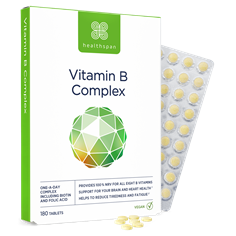
A supplement can be a practical way to help bridge a dietary gap, particularly for people following a vegan diet or those whose regular diet contains few reliable B12 sources. Vitamin B12 is available on its own, in a B vitamin supplement, or as part of some multivitamins.
However, supplements used to support normal dietary intake are not the same as treatment for a diagnosed deficiency. If you have symptoms, a medical condition that affects absorption, or have been told your B12 is low, follow the advice of your GP or other healthcare professional.
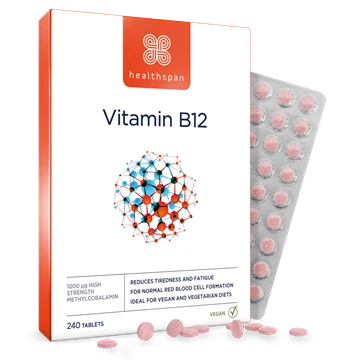
Vitamin B12
For energy, immunity and a healthy nervous system
- 1000 µg vitamin B12 per tablet
- Reduces tiredness and fatigue
- Vegan-friendly, easy-swallow tablets
What about vitamin B12 sprays?
For people who prefer not to swallow tablets, an oral spray is another convenient supplement format. If you have a diagnosed condition that affects B12 absorption, use the form and dose recommended by your healthcare professional.
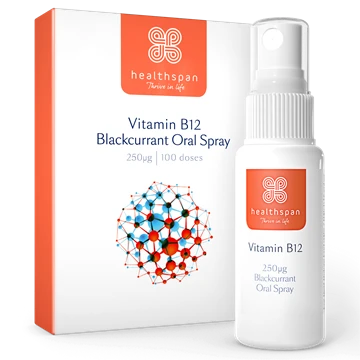
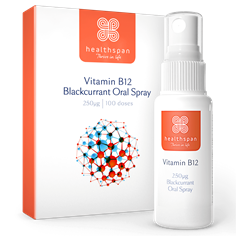
Vitamin B12 Blackcurrant Oral Spray
Innovative oral spray format for energy and immune health
- 250 µg vitamin B12 per spray
- Supports energy and immune health
- Vegan-friendly blackcurrant flavour
Frequently asked questions about vitamin B12
What happens when vitamin B12 is low?
Low vitamin B12 can affect red blood cell formation and the nervous system. Symptoms can include extreme tiredness, weakness, pins and needles, numbness, a sore red tongue, memory or concentration problems and changes in balance or coordination. Because these symptoms can have other causes, suspected deficiency should be assessed by a healthcare professional.
Can vitamin B12 deficiency occur without anaemia?
Yes. NICE specifically advises that vitamin B12 deficiency should not be ruled out simply because anaemia or enlarged red blood cells are absent. Neurological or psychological symptoms can occur without anaemia.
Can you take too much vitamin B12?
The NHS states that there is not enough evidence to show the effects of taking very high doses of vitamin B12 supplements every day, although taking 2 mg or less a day in supplements is considered unlikely to cause harm. Follow the directions on your supplement and seek professional advice if you are unsure what dose is appropriate for you.
How long does it take to recover from vitamin B12 deficiency?
Recovery depends on the cause and severity of the deficiency and the treatment used. NICE advises that symptoms may start to improve within two weeks of beginning appropriate replacement, although this can take up to three months and some symptoms may take considerably longer to disappear. Follow-up is important if symptoms do not improve, get worse or new symptoms develop.
Vitamin B12 is easy to overlook because the body needs only a small amount, but it plays an important role in normal blood formation, energy metabolism and nervous system function. Most people can obtain enough through diet, while vegans and some other at-risk groups may need fortified foods or supplements. If you have symptoms of deficiency or concerns about absorption, speak to a healthcare professional so the cause can be identified and treated appropriately.
Top ↑