









The timing of probiotic supplementation can influence how well beneficial bacteria survive their journey through your digestive system – but the best time is often the one you can stick to consistently.
🕒 8 min read
The timing of probiotic supplementation can influence how well these beneficial bacteria survive their journey through your digestive system. Whilst probiotics offer health benefits regardless of when you take them, understanding optimal timing helps you make the most of your supplement routine.
Why timing recommendations vary
You’ve likely encountered conflicting advice about when to take probiotics. Some suggest taking them in the morning, others in the evening, and still others recommend taking them with food or on an empty stomach. This confusion exists because different probiotic strains and formulations behave differently in the digestive system.
The journey from mouth to gut presents challenges for probiotic bacteria. Stomach acid, designed to kill potentially harmful microorganisms, doesn’t discriminate between pathogens and beneficial bacteria. Bile salts in the small intestine create another hostile environment that these bacteria must survive.
Different probiotic formulations address these challenges in various ways. Some use acid-resistant capsules that dissolve only after passing through the stomach. Others include strains naturally hardy enough to survive gastric acid. The specific formulation influences ideal timing.
Learn more in our guide to what are probiotics.
Taking probiotics with food versus on an empty stomach
Food in your stomach buffers acid levels, potentially creating a more hospitable environment for probiotic bacteria to pass through. Research found that probiotic survival rates improved when supplements were taken with meals containing some fat, as this prompted the stomach to release less concentrated acid.
However, taking probiotics on an empty stomach means they spend less time in the acidic stomach environment before moving to the intestines. A study demonstrated that certain strains showed better survival when taken 30 minutes before meals than when taken with food.
The contradiction resolves when you consider probiotic formulation. Enteric-coated capsules, designed to resist stomach acid, work well on an empty stomach. Standard capsules or powders often benefit from the buffering effect of food. Check your product information for specific guidance.
Quick answer
For most probiotic supplements, taking them consistently is more important than finding a perfect time. If your product does not give specific instructions, taking probiotics with a meal containing some fat is a practical option for many people.
Is it better to take probiotics at night or in the morning?
Neither is the better answer, as your digestive system follows circadian rhythms, with enzyme production and gut motility varying throughout the day. Still, these changes don’t dramatically affect probiotic survival or colonisation.
Morning brings higher stomach acid production after overnight fasting, suggesting that evening dosing would be preferable. However, this doesn’t mean you can’t take them in the morning, as most probiotics are designed to resist stomach acid.
The best time to take probiotics is the time you’ll consistently remember. Regular daily supplementation allows beneficial bacteria to establish themselves in your gut microbiome. Whether you take probiotics at 7am or 10pm matters less than taking them at roughly the same time each day.
That said, practical considerations might favour one time over another for your circumstances:
- Taking probiotics with breakfast becomes part of a morning ritual that’s hard to forget.
- Evening dosing works well for people whose mornings are rushed, or for those taking other supplements or medications in the morning who prefer to space things out.
Some people report better tolerance with evening dosing, particularly if they experience digestive changes when first starting probiotics. Taking supplements before bed means any minor discomfort occurs during sleep rather than disrupting your day.
Special considerations for oral health probiotics
Oral health probiotics work differently from digestive probiotics. These formulations contain strains like Lactobacillus reuteri and Streptococcus salivarius that colonise your mouth and throat rather than your gut.
For oral probiotics, timing focuses on maximising contact time with oral tissues. The best approach is to take them after brushing teeth in the evening, allowing the bacteria to colonise overnight whilst saliva production slows and eating stops. Morning dosing after breakfast works as a secondary option.
Lozenges or dissolvable tablets that release bacteria gradually as they dissolve work better than capsules you swallow immediately. The slow release gives probiotic strains time to adhere to teeth, gums and tongue surfaces. Learn more about how oral probiotics support teeth, gums and fresh breath.
After taking oral probiotics, avoid eating, drinking or rinsing your mouth for 30 minutes to an hour. This waiting period allows bacteria to establish themselves before being washed away. Healthspan’s Oral Health Biotic provides targeted support for oral microbiome health.
Timing for specific health goals
Digestive comfort and bloating
If you take probiotics primarily for digestive comfort, meal timing makes practical sense. Taking your supplement 30 minutes before your largest meal of the day allows bacteria to be present as food arrives, potentially supporting more comfortable digestion.
For bloating that worsens through the day, morning dosing might help. The bacteria have time to populate your digestive system before your main meals. If evening bloating proves problematic, consider taking probiotics with lunch or early afternoon, giving them time to work before dinner.
Learn more about gut health and probiotics in our helpful guide, or take a look at the top three positive bacteria that promote efficient digestion.
Immune support
Probiotics help the immune system by modulating gut-associated lymphoid tissue. For immune benefits, consistency trumps specific timing. However, morning dosing ensures you don’t forget your supplement as the day gets busy, maintaining the regular routine immune support requires.
Read more in our guide to probiotics’ effect on cold and flu, or take a look at our best supplements for immunity.
Women’s intimate health
Probiotics containing Lactobacillus strains support vaginal health by linking the gut and the vagina. These bacteria first colonise the gut, then can migrate to support the vaginal microbiome. Evening dosing allows overnight colonisation without interference from daytime activities or bathroom visits.
Read more in our guide to how to support your vaginal microbiome and pH balance, or our guide to acidophilus probiotic benefits for women.
Practical considerations for daily life
Shift work and irregular schedules
Irregular sleep patterns and mealtimes don’t prevent probiotic benefits, but they make consistent timing harder to maintain. Anchor your probiotic routine to a specific daily activity rather than a clock time. Taking your supplement immediately after brushing your teeth or with your first meal establishes a habit pattern your brain recognises, regardless of what time the clock shows.
Travel
Time zone changes disrupt supplement routines. Gradually adjust your probiotic timing as you adjust to the new time zone, or maintain your home schedule for short trips. Probiotics remain stable at room temperature for reasonable periods, though refrigerated formulations require planning if travelling without access to cooling.
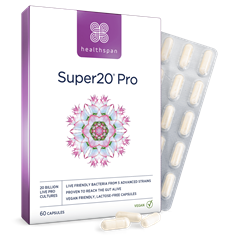
Related: How Super20 Pro helped William regain digestive comfort at work and while travelling
When you forget a dose
Missing occasional doses doesn’t undo probiotic benefits. Beneficial bacteria take time to establish but also persist for days without fresh supplementation. If you forget your morning dose, take it whenever you remember. The next day, return to your regular schedule. Don’t double up to compensate for missed doses.
Storage and handling affect timing choices
Some probiotics require refrigeration to maintain bacterial viability. If your formulation needs cooling, this limits practical timing options. You can’t easily take refrigerated probiotics with you to work for afternoon dosing, making morning or evening at home more practical.
Shelf-stable probiotics offer more flexibility. These formulations use bacterial strains or protective technologies that remain active at room temperature, allowing you to keep them in your bag or desk drawer for midday dosing, if preferred.
Check your product label for storage requirements. Improper storage degrades probiotic potency regardless of when you take them. Keep supplements away from heat, moisture and direct sunlight. Bathroom storage, despite its convenience, exposes probiotics to humidity that can reduce bacterial counts over time. A cool, dry kitchen cupboard works better.
When and how you can take your supplements can affect how well they are absorbed. For more tips, take a look at our guide to ways to get the most out of your supplements.
What should you not mix with probiotics?
Certain substances can reduce probiotic effectiveness or kill beneficial bacteria before they reach your gut:
- Hot beverages above 40°C: heat kills probiotic bacteria, so never mix your supplement with hot tea, coffee or water. Use room temperature or cool water instead.
- Caffeine: some research suggests that coffee and tea, even cold, might reduce bacterial survival due to their tannin and caffeine content. Whilst the evidence isn’t conclusive, spacing probiotics by an hour or so after these beverages represents a sensible precaution.
- Antibiotics: these medications kill bacteria indiscriminately, including beneficial probiotic strains. If you need antibiotics, continue taking probiotics, but space them several hours apart. This timing reduces direct contact whilst maintaining some probiotic presence in your system.
- Alcohol: in moderation, it probably doesn’t significantly impact probiotic supplements taken at different times of day. However, excessive alcohol consumption disrupts your gut microbiome regardless of supplementation.
Ensure you read the label on your probiotics to see what strains are contained and what you can or can’t have with your supplement.
What are the signs that probiotics are working?
Probiotic effects typically emerge gradually over several weeks rather than immediately. The first signs usually appear in the digestive system. You might notice:
- More regular bowel movements
- Reduced bloating after meals
- Improved tolerance of foods that previously caused discomfort
Many people report feeling less sluggish after eating, suggesting improved digestion. Reduced gas and abdominal discomfort represent common early indicators that your gut microbiome is responding positively to supplementation.
If you experience temporary increases in gas or mild digestive changes when first starting probiotics, this often indicates your microbiome is adjusting to new bacterial populations. These symptoms typically resolve within 1 to 2 weeks as beneficial bacteria establish and your gut adapts.
Beyond digestive changes, some people notice improvements in other areas:
- Better skin clarity
- Fewer minor infections
- Improved mood
- Enhanced energy levels
Though these effects develop more slowly and vary considerably between individuals, you might not notice dramatic changes if your digestive system already functions well. The benefits manifest in maintained health rather than noticeable improvements, which can make effects harder to perceive but no less valuable.
The bottom line on probiotic timing
Take probiotics at a time you’ll remember consistently. A supplement taken regularly at the best time for you delivers better results than the theoretically perfect timing you forget half the time.
For most probiotic supplements, taking them with a meal containing some fat optimises bacterial survival through the stomach. Morning with breakfast or evening with dinner works well. If your supplement has an enteric coating, empty-stomach dosing 30 minutes before meals offers an alternative.
Oral health probiotics work differently, performing best when taken after evening tooth brushing with no subsequent eating or drinking. This maximises contact time for bacteria to colonise oral tissues.
Find the right probiotic for you
Take a look at our range of probiotic supplements to help support gut and digestive health, immune health, oral health and women’s health.
Need help choosing? Read our guide to find the right probiotic supplement to support your needs.
.png)