













Omega-3 is a family of polyunsaturated fats that includes ALA, EPA and DHA. Here's what each type does, where to find them and how to make sure you're getting enough.
🕒 8 min read
Most people have heard that omega-3 is important, but understanding exactly what omega-3 is can be more confusing. That's partly because omega-3 isn't a single nutrient: it's a family of fatty acids that includes ALA, EPA and DHA.
Oily fish is the richest dietary source of the long-chain omega-3s EPA and DHA, yet the NHS says most people are not eating the recommended amount of fish.3 This guide explains the different types of omega-3, what they do and the main ways to get them.
What is omega-3?
Omega-3 is a type of polyunsaturated fatty acid. The name describes the chemical structure of the fat, specifically the position of the first double bond in the fatty acid chain.
From a nutritional point of view, the important distinction is between the plant-based omega-3 ALA and the longer-chain fatty acids EPA and DHA.
ALA is considered an essential fatty acid because the body cannot make it and it therefore needs to come from the diet. The body can convert some ALA into EPA and then DHA, but this conversion is limited.2
The three types of omega-3: ALA, EPA and DHA explained
Not all omega-3 fatty acids are the same. The three main types you'll encounter are ALA, EPA and DHA, and they differ both in where they're found and how the body uses them.
ALA
Alpha-linolenic acidALA is the main plant-based omega-3. It's found in foods and oils including flaxseed, chia seeds, walnuts and rapeseed oil.
ALA is an important part of the diet, but only a limited amount is converted into EPA and DHA in the body. The US National Institutes of Health reports conversion rates of less than 15%, which is why eating sources of EPA and DHA directly is the most practical way to increase levels of these long-chain omega-3 fatty acids.2
Common sources: flaxseed, chia seeds, walnuts and rapeseed oil.
EPA
Eicosapentaenoic acidEPA is a long-chain omega-3 fatty acid found mainly in oily fish, fish oils and marine algae.
Unlike ALA, EPA can be obtained directly from marine foods and supplements rather than relying on conversion within the body.
Common sources: salmon, sardines, mackerel, herring, fish oil and marine algae.
DHA
Docosahexaenoic acidDHA is another long-chain omega-3 found primarily in oily fish, fish oils and marine algae.
DHA is an important structural component of cell membranes and is particularly abundant in the brain and retina.2
Common sources: salmon, sardines, mackerel, herring, fish oil and marine algae.
Why can't your body simply make all the EPA and DHA it needs?
The body can make EPA and DHA from ALA, but only in limited amounts. This means eating plant sources of omega-3 does not necessarily provide the same amounts of EPA and DHA as eating oily fish or using an EPA- and DHA-containing supplement.
For people who do not eat fish, algae oil is a useful alternative because microalgae are the original marine source of EPA and DHA. Fish accumulate these fatty acids through the marine food chain.2
What does omega-3 actually do in the body?
EPA and DHA become incorporated into cell membranes throughout the body. Omega-3 fatty acids also act as precursors to compounds involved in normal cell signalling and other physiological processes.2
For consumers, the clearest evidence-backed benefits are the functions formally recognised for EPA and DHA on the Great Britain Nutrition and Health Claims Register.
What are the key benefits of EPA and DHA?
Heart
EPA and DHA contribute to the normal function of the heart. The beneficial effect is obtained with a daily intake of 250 mg of EPA and DHA.1
Brain
DHA contributes to the maintenance of normal brain function. The beneficial effect is obtained with a daily intake of 250 mg DHA.1
Vision
DHA also contributes to the maintenance of normal vision, with the beneficial effect obtained from a daily intake of 250 mg DHA.1
Blood pressure and triglycerides
Higher intakes of EPA and DHA are also associated with authorised claims for normal blood pressure and blood triglyceride levels. EPA and DHA contribute to the maintenance of normal blood pressure at a daily intake of 3 g, while EPA and DHA contribute to the maintenance of normal blood triglyceride levels at a daily intake of 2 g.1
For food supplements carrying these higher-dose claims, consumers must also be advised not to exceed a supplemental daily intake of 5 g of EPA and DHA combined.1
What are the benefits of omega-3 for women?
The recognised heart, brain and vision benefits of EPA and DHA apply to adults generally, but DHA also has a specific recognised role during pregnancy and breastfeeding.
Maternal DHA intake contributes to the normal brain and eye development of the foetus and breastfed infants. The beneficial effect is obtained with a daily intake of 200 mg DHA in addition to the recommended daily intake for adults of 250 mg EPA and DHA.1
If you're pregnant, breastfeeding or trying for a baby, dietary advice around fish differs slightly from general adult guidance. The NHS recommends two portions of fish a week, including one oily fish, but advises women who may become pregnant, are pregnant or are breastfeeding not to eat more than two portions of oily fish a week.3
What are the signs you might need more omega-3?
There isn't a reliable checklist of everyday symptoms that can tell you whether your omega-3 intake is low. Symptoms such as dry skin, tiredness, difficulty concentrating or joint discomfort can have many possible causes, so they should not be used to diagnose an omega-3 deficiency.
A more useful starting point is your diet. The NHS recommends at least two portions of fish a week, including one portion of oily fish such as salmon, sardines, trout, mackerel or herring.3
If you rarely or never eat oily fish, it may be worth considering how else you obtain EPA and DHA.
What happens if you take omega-3 every day?
Omega-3 supplements are generally intended to be taken consistently rather than for an immediate noticeable effect. Their recognised benefits depend on achieving the relevant daily intakes of EPA and DHA over time.
Always follow the recommended intake on the product you are using. Taking more than the recommended amount does not necessarily provide additional benefit.
Omega-3 supplements are generally well tolerated, but reported side effects can include an unpleasant taste, heartburn, nausea or other mild gastrointestinal discomfort.2
If you take prescribed medication or have a medical condition, speak to your doctor or pharmacist before starting a supplement. Fish oil supplements can potentially interact with medicines, including anticoagulants.2
What are the major side effects of omega-3?
Serious side effects are uncommon when omega-3 supplements are taken as directed. Mild effects such as fishy aftertaste, heartburn or digestive discomfort are more commonly reported.2
Very high supplemental intakes are different from normal food supplement use and should not be treated as a target. If you have been advised to use high-dose omega-3 for a medical reason, follow the advice of your healthcare professional.
How much omega-3 do you need each day?
There is no single UK Nutrient Reference Value covering all forms of omega-3.
For the authorised heart-health claim, the beneficial effect is obtained with 250 mg EPA and DHA combined each day. For normal brain function and vision, the beneficial effect is obtained with 250 mg DHA each day.1
From a food perspective, the NHS recommends eating at least two portions of fish a week, including one portion of oily fish.3
What are the best sources of omega-3: food or supplements?
For EPA and DHA, oily fish is the main dietary source. Salmon, sardines, mackerel, herring and trout are all good examples.
The NHS does not classify tuna as an oily fish, so a portion of tuna does not count towards the recommended weekly oily-fish portion.3
Plant foods such as flaxseed, chia seeds, walnuts and rapeseed oil provide ALA rather than meaningful amounts of EPA and DHA.
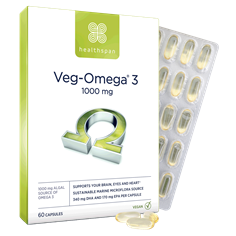
If you don't eat fish, algae-based omega-3 can provide EPA and DHA directly. Veg-Omega® 3 1000mg, for example, provides EPA and DHA from microalgae and is suitable for vegetarians and vegans.
What should you look for in an omega-3 supplement?
Omega-3 supplement labels can look similar, but there are several useful things to compare.
- EPA and DHA content: Look at how much EPA and DHA the recommended serving actually provides, rather than relying only on the total milligrams of fish oil shown on the front of the pack.
- Strength: A more concentrated product can provide a greater amount of EPA and DHA in fewer capsules.
- Source: Fish oil is the traditional source, while algae oil provides a vegetarian and vegan alternative.
- Quality and sustainability: Look for purified oils and independently recognised sustainability standards.
- Format: Capsules, liquids and different oil forms are available, so choose something you can take consistently.
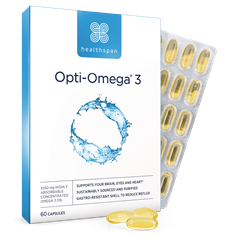
For example, Opti-Omega® 3 provides 320 mg EPA and 320 mg DHA per capsule in triglyceride form. Its gastro-resistant shell is designed to release the oil in the intestine, helping to reduce reflux and the fishy aftertaste sometimes associated with fish oil capsules.
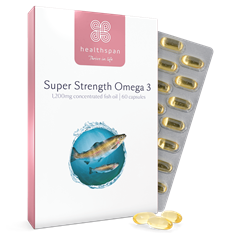
For a straightforward high-strength fish oil, Super Strength Omega 3 1200mg provides 360 mg EPA and 240 mg DHA per capsule.
You can also read our guide to choosing an omega-3 supplement or browse the full omega-3 range.
Omega-3 is a family of fats that includes ALA, EPA and DHA. ALA comes mainly from plant foods, while EPA and DHA are found primarily in oily fish and marine algae. EPA and DHA have recognised roles in normal heart function, while DHA contributes to normal brain function and vision when the required daily intakes are met.