













There are eight B vitamins, each with important roles in processes including energy-yielding metabolism, nervous-system function, red blood cell formation and immunity. Here's what each B vitamin does, where to find it and who may need extra support.
🕒 9 min read
What are the B vitamins?
The B vitamins are a group of eight water-soluble vitamins that perform a wide range of functions throughout the body. They are vitamin B1 (thiamine), B2 (riboflavin), B3 (niacin), B5 (pantothenic acid), B6 (pyridoxine), B7 (biotin), B9 (folate) and B12 (cobalamin).
A vitamin B complex is not a separate vitamin. It is a supplement containing several B vitamins, usually all eight, in one formulation.
B vitamins occur naturally across a wide variety of foods. Most need to be consumed regularly as part of the diet, although vitamin B12 is an important exception because the body can store it. Eating a varied, balanced diet is therefore the starting point for maintaining an adequate intake.
You can also explore our vitamin B supplements and information.
What do B vitamins do?
B vitamins contribute to many normal processes within the body. Depending on the individual vitamin, recognised roles include normal energy-yielding metabolism, functioning of the nervous system, psychological function, red blood cell formation, immune-system function and the reduction of tiredness and fatigue.
Each B vitamin has its own functions, so it is more accurate to look at them individually rather than treating the B-complex vitamins as though they all do exactly the same thing.
| B vitamin | Also known as | Some of its recognised nutritional roles |
|---|---|---|
| Vitamin B1 | Thiamine | Contributes to normal energy-yielding metabolism, nervous-system function and normal heart function. |
| Vitamin B2 | Riboflavin | Contributes to normal energy-yielding metabolism, nervous-system function, normal skin and vision, and the reduction of tiredness and fatigue. |
| Vitamin B3 | Niacin | Contributes to normal energy-yielding metabolism, psychological and nervous-system function, and the reduction of tiredness and fatigue. |
| Vitamin B5 | Pantothenic acid | Contributes to normal energy-yielding metabolism, normal mental performance and the reduction of tiredness and fatigue. |
| Vitamin B6 | Pyridoxine | Contributes to normal energy-yielding metabolism, nervous-system and immune function, red blood cell formation and the reduction of tiredness and fatigue. |
| Vitamin B7 | Biotin | Contributes to normal energy-yielding metabolism and nervous-system function, and to the maintenance of normal hair and skin. |
| Vitamin B9 | Folate | Contributes to normal blood formation, psychological and immune function, and has a role in cell division. |
| Vitamin B12 | Cobalamin | Contributes to normal energy-yielding metabolism, nervous-system and immune function, red blood cell formation and the reduction of tiredness and fatigue. |
In Great Britain, specific health benefits attributed to vitamins and other nutrients must be supported by an authorised claim in the Great Britain nutrition and health claims register .
The individual B vitamins have authorised claims covering functions including energy-yielding metabolism, nervous-system and psychological function, normal red blood cell formation, immune function, skin and hair health and the reduction of tiredness and fatigue.
B vitamins and the immune system
Several B vitamins have recognised roles in normal immune function. Vitamin B6, folate and vitamin B12, for example, each contribute to the normal function of the immune system.
This does not mean taking more B vitamins will automatically make the immune system work better. The aim is to obtain sufficient amounts of each nutrient through a balanced diet or, when appropriate, supplementation.
B vitamins and the brain and nervous system
B vitamins also have important roles in the brain and nervous system. Several, including thiamine, riboflavin, niacin, vitamin B6, biotin and vitamin B12, contribute to normal functioning of the nervous system.
Other B vitamins contribute to normal psychological function. Vitamin B12 is particularly important for maintaining healthy nerve function, and prolonged B12 deficiency can cause neurological problems if it is not identified and treated.
Know your B vitamins
The different B vitamins occur in overlapping but not identical food sources. The NHS guide to B vitamins gives detailed dietary and supplement guidance for each nutrient.
Vitamin B1 (thiamine)
Wholegrain foods, pork, fish, peas, nuts, some fruits and fortified breakfast cereals.
Normal energy-yielding metabolism, normal functioning of the nervous system, normal psychological function and normal heart function.
Is uncommon in people eating a varied diet, but the risk is higher in people whose diet is very restricted or whose ability to absorb or use thiamine is impaired. Heavy alcohol use is an important risk factor for severe thiamine deficiency.
Vitamin B2 (riboflavin)
Eggs, milk, yoghurt, meat, green vegetables, mushrooms, almonds and fortified foods.
Normal energy-yielding metabolism, normal nervous-system function, normal skin and vision, normal red blood cells and the reduction of tiredness and fatigue.
Can result in symptoms including cracked lips, soreness around the mouth and changes to the skin.
Vitamin B3 (niacin)
Meat, fish, wheat flour, eggs, nuts, seeds, legumes and fortified foods.
Normal energy-yielding metabolism, normal functioning of the nervous system, normal psychological function and the maintenance of normal skin.
Is rare in the UK because niacin is available from a wide variety of foods.
Vitamin B5 (pantothenic acid)
Many vegetables, wholegrain foods and meats, with useful sources including chicken, beef, eggs, mushrooms, avocado and fortified cereals.
Normal energy-yielding metabolism, normal mental performance and the normal synthesis and metabolism of steroid hormones, vitamin D and some neurotransmitters.
Is very rare because pantothenic acid is present in such a wide range of foods.
Vitamin B6 (pyridoxine)
Pork, poultry, fish, peanuts, soya beans, wheatgerm, oats, bananas, milk and fortified breakfast cereals.
Normal energy-yielding metabolism, normal protein and glycogen metabolism, normal red blood cell formation and normal functioning of the nervous and immune systems.
Is uncommon in people eating a varied diet, although certain health conditions or problems with nutrient absorption can increase the risk.
Vitamin B7 (biotin)
A wide variety of foods at relatively low levels. Sources include eggs, fish, seeds, soya beans and nuts. Bacteria living naturally in the gut are also able to make biotin.
Normal energy-yielding metabolism and macronutrient metabolism, normal functioning of the nervous system and the maintenance of normal hair and skin.
Is rare, although requirements can be affected by specific medical or genetic conditions.
Vitamin B9 (folate and folic acid)
Folate is the naturally occurring form of vitamin B9 found in foods. Folic acid is the form commonly used in supplements and fortified foods.
Leafy green vegetables, broccoli, peas, chickpeas, kidney beans and fortified breakfast cereals.
Normal blood formation, normal psychological and immune function and the process of cell division. Folate also contributes to maternal tissue growth during pregnancy.
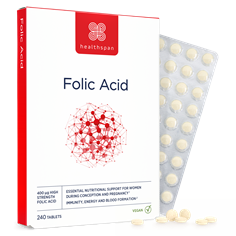
The NHS recommends taking 400 µg of folic acid every day when trying for a baby and during the first 12 weeks of pregnancy. Some people at higher risk of a pregnancy affected by a neural tube defect are advised to take 5 mg daily, but this higher dose should be discussed with a doctor.
Can lead to folate deficiency anaemia.
Vitamin B12 (cobalamin)
Meat, fish, milk, cheese, eggs and some fortified foods. Vitamin B12 is not naturally present in plant foods such as fruit, vegetables and grains, so people following a vegan diet need to pay particular attention to fortified foods or supplements.
Normal red blood cell formation, normal energy-yielding metabolism, normal functioning of the nervous and immune systems, normal psychological function and cell division.
Can cause symptoms including extreme tiredness, pins and needles, muscle weakness, problems with memory or concentration and changes to the tongue or mouth. Some neurological effects can become permanent if a deficiency is left untreated.
People who may be more susceptible include older adults, people following a vegan diet, those with certain absorption problems and people taking some medicines. Metformin, for example, can commonly reduce vitamin B12 levels, and monitoring may be recommended when risk factors or symptoms are present.

Nutritionist Rob Hobson explains why vitamin B12 is important, the signs of deficiency and who may need to consider a supplement.
Read the vitamin B12 guide
What happens if you are deficient in B vitamins?
There is no single set of symptoms that applies to every B-vitamin deficiency. The effects depend on which vitamin is lacking and how severe or prolonged the deficiency is.
Possible signs can include tiredness, anaemia, changes to the skin or mouth and, particularly with vitamin B12 deficiency, neurological symptoms such as pins and needles, numbness or problems with memory and concentration.
If you have persistent or unexplained symptoms, particularly neurological symptoms, speak to a GP rather than relying on supplements alone. A blood test may be needed to identify the cause.
Should you take a vitamin B complex supplement?
Most people should be able to obtain the B vitamins they need from a varied and balanced diet. However, supplements can be useful where dietary intake is inadequate, requirements are increased or absorption is impaired.
You may need to pay particular attention to your B-vitamin intake if you:
- Follow a vegan or largely plant-based diet. Vitamin B12 is naturally found mainly in animal-derived foods, so fortified foods or a supplement can be important.
- Are pregnant or trying for a baby. Folic acid supplementation is recommended before conception and during early pregnancy.
- Are older. The ability to absorb vitamin B12 from food can decline with age.
- Take certain medicines. Metformin, for example, can reduce vitamin B12 levels.
- Have a condition affecting nutrient absorption. Some gastrointestinal conditions and forms of gastrointestinal surgery can make it harder to absorb particular B vitamins.
If you have a diagnosed deficiency, follow the dose and treatment recommended by your doctor or another healthcare professional rather than relying on a general B-complex supplement.
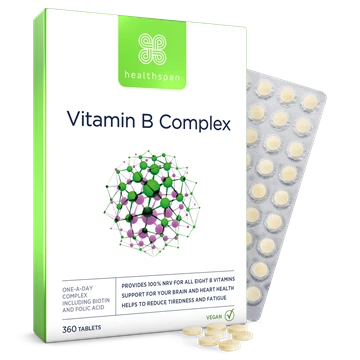
Vitamin B Complex
A vegan combination of all the essential B vitamins to support your brain, heart and energy levels
- 100% NRV of all eight B-complex vitamins
- Supports immunity and reduces tiredness and fatigue
- Heart, brain and nervous system support
Can you take too much vitamin B complex?
Yes. Although the B vitamins are water-soluble, that does not mean there is no risk from taking high-dose supplements.
For example, the NHS advises adults not to take more than 10 mg of vitamin B6 a day in supplements unless advised to do so by a doctor. Taking large amounts of vitamin B6 for prolonged periods can cause peripheral neuropathy, which affects sensation in the arms and legs.
High intakes of folic acid also require care. Taking more than 1 mg a day can mask the symptoms of vitamin B12 deficiency, potentially allowing neurological damage to progress without the underlying deficiency being recognised.
High-dose niacin supplements can also cause side effects. Always follow the recommended dose on the product label and speak to a doctor or pharmacist if you take medication, have a medical condition, are pregnant or are unsure whether a supplement is suitable for you.
B vitamins: frequently asked questions
What is vitamin B complex?
Vitamin B complex is the collective term commonly used for supplements containing several or all of the eight B vitamins: B1, B2, B3, B5, B6, B7, B9 and B12. It is not a ninth type of B vitamin.
Is vitamin B complex the same as vitamin B12?
No. Vitamin B12 is one individual member of the B-vitamin family. A B-complex supplement usually contains vitamin B12 alongside the other B vitamins.
What are the benefits of vitamin B complex?
The recognised benefits depend on the individual B vitamins included. Collectively, B vitamins contribute to functions including normal energy-yielding metabolism, nervous-system and psychological function, red blood cell formation, immune function and the reduction of tiredness and fatigue.
Can B vitamins give you more energy?
B vitamins do not provide energy in the same way as calories from food, and they are not stimulants like caffeine. However, several B vitamins contribute to normal energy-yielding metabolism, which is the process by which the body releases and uses energy from food. Several also contribute to the reduction of tiredness and fatigue.
Do you need to take B vitamins every day?
Most people can obtain enough B vitamins by eating a varied, balanced diet. Because most B vitamins are not stored in large amounts, regular dietary intake is important. If you use a supplement, take it according to the directions on the label rather than assuming that more is better.
What foods are high in B vitamins?
There is no single food that provides every B vitamin in exactly the same amount. Useful sources across the B-vitamin family include meat, fish, eggs, dairy products, wholegrains, legumes, leafy green vegetables, nuts, seeds and fortified foods.
Who is most at risk of vitamin B12 deficiency?
Risk can be higher in older adults, people following vegan diets, people whose digestive system does not absorb B12 effectively and those taking certain medicines, including metformin. If you are concerned about B12 deficiency, read our complete guide to vitamin B12 or speak to your GP.
Top ↑