













One of the most commonly held beliefs about vitamin D is that its only use is to help keep your bones healthy. But this powerful nutrient can actually play a role in a number of different areas of wellbeing. Here’s all you need to know about vitamin D and what it could do for you.
What is vitamin D?
Despite its name, vitamin D is more than a vitamin - it's closer to a hormone that the body can synthesise under the right conditions. Regardless, we need to produce it regularly in order to maintain overall health and wellbeing.
How is it produced?
The trigger for vitamin D synthesis is the sun, which emits UVB light that hits our skin. The UVB light reacts with a type of cholesterol found in the deeper layers of the skin, which produces a vitamin D precursor called pre-vitamin D. This is then converted to active vitamin D (calcitriol) by the liver and kidneys, and it's this form that travels around the body to interact with cells.
In the UK, even in the summer, it is difficult to get adequate vitamin D levels from sun exposure because of the inconsistencies in weather. We can also get small amounts from our diet: foods that contain vitamin D include eggs, oily fish, mushrooms and foods fortified with vitamin D, such a milk and breakfast cereals.
What it does in the body
Vitamin D has many functions within the body, including:
- Contributing to the normal absorption of calcium and phosphorus
- Supporting the maintenance of normal muscle function, bones and teeth
- Aiding in immune function
- Maintaining of normal cardiovascular function
This list isn't at all exhaustive and, in fact, scientists are only just scratching the surface of what vitamin D may help with.
Can we get enough vitamin D from the sun?
As we've already said, the sun is the trigger for vitamin D synthesis, but does this mean we get enough from sun exposure? Well, it depends. Everyone produces vitamin D at different rates, and many are at risk of vitamin D deficiency.
The National Institute for Health and Care Excellence (NICE) recommends that all adults should take a daily supplement providing 10mcg of vitamin D all year round. This is very much a minimum to prevent deficiency diseases; I believe that most adults would benefit from taking 25mcg (1,000 IU) per day, increasing to 50mcg (2,000 IU) per day from the age of 50 onwards, when your ability to synthesis vitamin D in the skin starts to decline.
Choose a vitamin D3 (cholecalciferol) supplement, which is the same form made in the skin by the body on exposure to sunlight, and which is more effective in producing active vitamin D3 (calcitriol) than the plant-based vitamin D2 (ergocalciferol) form.
Who is most at risk of vitamin D deficiency?
Those who are most vulnerable to vitamin D deficiency include:
- People who live in cold climates (such as the UK)
- People who get little direct sun exposure e.g. someone who works in an office job
- Those with a long-term illness that tends to confine them indoors
- People who keep the majority of their skin covered e.g. for religious reasons
- Dark-skinned people
- The elderly
- People who wear sunscreen or use products that contain SPF regularly
There are also suggestions that the reason a disproportionate number of people from BAME communities have experienced serious COVID-19 infections may relate to vitamin D levels. This is because a higher level of skin melanin pigment reduces the skin's ability to synthesise vitamin D when exposed to the sun.
Research commissioned by the UK Government is exploring whether vitamin D deficiency and coronavirus severity are linked, but nothing is confirmed as yet.
However, everyone is at high risk of becoming vitamin D deficient, especially during winter. In fact, low vitamin D levels might explain why we're more prone to becoming sick during flu season - another reason why you should get your levels checked at the start of each winter1. Even living in a city instead of the countryside may induce the risk of becoming deficient.
Vitamin D: the benefits
There's also a lot of emerging research to suggest vitamin D may help in specific health conditions.
Vitamin D and cardiovascular health
Cardiovascular disease is a massive health issue, causing more than a quarter of all deaths in the UK.2 However, recent studies are suggesting that there's a hidden superstar when it comes to heart health: vitamin D.
Vitamin D contributes to the maintenance of cardiovascular function and one study found that men who were vitamin D deficient had a significantly higher risk of a heart attack, even after controlling for known risk factors.3
Another study suggested that there was a strong link between vitamin D deficiency and increased risk of heart failure, but specifically in elderly people. This is particularly concerning, as 65% of the participants were vitamin D deficient, indicating that such deficiency is common among older adults.4
Vitamin D and bone health
Although vitamin D is essential for every age, it may be especially important for babies and children to get a sufficient amount. This is because vitamin D can helps maintain optimal calcium levels to support the growth and development of healthy teeth and bones in young children.
Children who don't get enough vitamin D may be at risk of developing softening of the bones, which in turn can lead to bowing of larger bones, such as the legs.5
Making sure you get enough vitamin D for bone health isn't limited to just children, it is also important for the elderly. One study looked at the effects of vitamin D supplementation in combination with low-level exercise among the elderly and found that this combination was effective at reducing falls in the elderly participants.6
Vitamin D and pregnancy
When a woman becomes pregnant, vitamin D is essential in helping the baby remain healthy. The Department of Health and Social Care recommends that pregnant women take a daily supplement containing 10ug of vitamin D, although it's important to always consult your doctor before taking any new supplements.
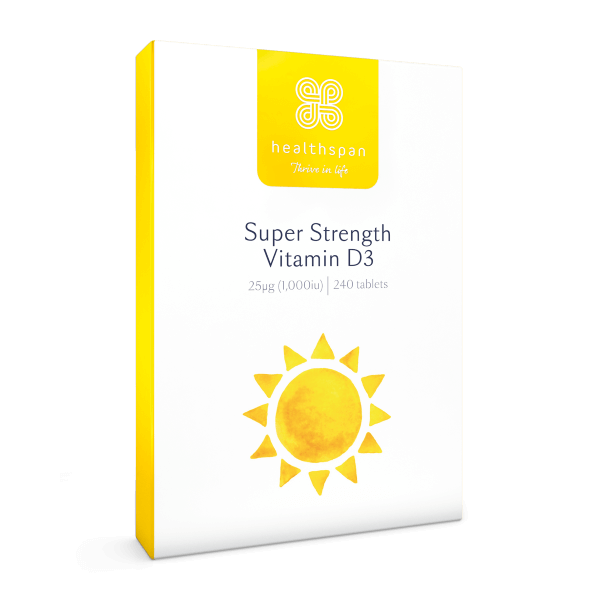
Super Strength Vitamin D3
For healthy bones, teeth, muscles and immunity
- 25mcg vitamin D per tablet
- Helps keep bones, teeth and muscles healthy, and supports immunity
- Multiple health benefits from €0.06 a day
