










Hair thinning and hair loss can happen during perimenopause and menopause, but hormones are not the only possible factor. Iron deficiency, low iron stores and vitamin B12 deficiency may also be relevant in some people. Here's what to know, when testing may help and what to do next.
🕒 8 min read
Why does menopausal hair loss happen?
Hair thinning and hair loss are recognised symptoms of perimenopause and menopause. You might notice more hair than usual when washing or brushing, a reduction in overall volume, or gradual thinning around the parting, crown or temples.
Hormonal changes can be part of the picture, but it is important not to assume that every change in your hair is caused by menopause itself. Nutrient deficiencies, thyroid problems, illness, significant stress, rapid weight loss, restrictive dieting and other forms of hair loss can produce similar changes.
This is particularly relevant during perimenopause. Periods can become lighter or heavier before they stop completely, and heavier bleeding may increase the risk of iron deficiency. Vitamin B12 deficiency has different causes and is not usually the result of menstrual blood loss.
| Possible factor | Why it may matter | What to consider |
|---|---|---|
| Menopausal changes | Hair thinning or hair loss can occur during perimenopause and menopause as the body goes through hormonal changes. | Speak to your GP if thinning is persistent, worsening or causing concern, as other forms of hair loss can occur at the same time. |
| Iron deficiency | Heavy menstrual bleeding is a common cause of iron deficiency. Hair loss can also occur as a symptom of iron-deficiency anaemia. | A GP can arrange blood tests if iron deficiency is suspected, particularly if you also have tiredness, breathlessness or palpitations. |
| Vitamin B12 deficiency | B12 deficiency affects normal red blood cell formation and nervous-system function. It may occur because of diet, absorption problems, pernicious anaemia or certain medicines. | Testing may be appropriate if you have relevant symptoms or risk factors. Do not assume hair loss alone means you are deficient. |
| Thyroid problems | Changes in thyroid function can contribute to diffuse hair shedding and may produce symptoms that overlap with menopause. | Your GP may consider thyroid blood tests when investigating unexplained hair loss. |
| Telogen effluvium | Illness, severe stress, rapid weight loss, restrictive diets and other physical or emotional stresses can temporarily shift more hairs into the shedding phase. | Identifying and correcting the underlying trigger is important. Hair recovery is usually gradual rather than immediate. |
Iron, ferritin and hair loss during perimenopause
Iron deserves particular attention during perimenopause because menstrual bleeding does not always become lighter straight away. The NHS advises that periods may become heavier or lighter during perimenopause, and heavy periods are a common cause of iron-deficiency anaemia.
Iron is needed for the normal formation of red blood cells and haemoglobin. When iron levels become too low, symptoms can include tiredness, shortness of breath, palpitations and, in some cases, increased hair shedding.
What is ferritin?
Ferritin is a protein that stores iron in the body. It provides clinicians with useful information about your iron stores and may be considered alongside a full blood count and other test results when investigating possible iron deficiency.
There is no single universally accepted "optimal ferritin level for hair growth". Laboratory reference ranges can vary, and a result needs to be interpreted in the context of your symptoms, medical history and other blood tests. If you are concerned about iron levels or unexplained hair shedding, your GP can advise which tests are appropriate.
The British Association of Dermatologists notes that blood tests may be used when investigating diffuse hair shedding to help rule out underlying conditions such as iron deficiency and thyroid problems.
How can you support your iron levels?
A varied diet can provide iron from both animal and plant foods. Useful sources include meat, fish, pulses such as beans and lentils, fortified cereals and breads, dried fruit and dark-green leafy vegetables.
Vitamin C can increase the absorption of iron, so pairing plant sources of iron with foods such as peppers, berries, kiwi fruit or other fruit and vegetables can be useful. Tea and coffee can reduce iron absorption when consumed around meals.
If a blood test shows that you are iron deficient, follow the treatment and dose recommended by your GP or pharmacist. Iron supplements are not something to take in high doses "just in case", as excess iron can be harmful.
If you have been advised to supplement your iron intake, you can also explore Healthspan IronCare®.
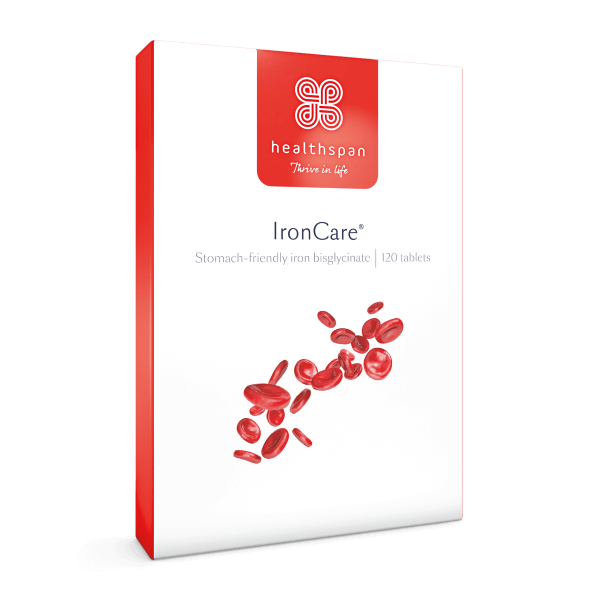
IronCare®
Stomach-friendly iron tablets for healthy blood, energy and immunity
- Provides iron alongside copper and vitamins B2, B6, B12 and C
- Supports normal red blood cell formation
- Helps reduce tiredness and fatigue
Can vitamin B12 cause hair loss?
Vitamin B12 itself is not generally recognised as a cause of hair loss. The more relevant question is whether someone experiencing hair loss also has a vitamin B12 deficiency.
Research into individual micronutrients and hair loss is complex. Vitamins and minerals have important roles throughout the body, but the relationship between specific nutrient deficiencies, supplementation and different types of hair loss is not always clear. This means taking extra B12 is not proven to improve hair growth in someone whose B12 status is already adequate.
If you are experiencing unexplained hair loss, it is therefore better to investigate possible causes than to assume that B12 is responsible. You can find a more detailed explanation in our complete guide to vitamin B12.
Vitamin B12 deficiency and menopause
Menopause itself does not automatically cause vitamin B12 deficiency, and unlike iron deficiency, B12 deficiency is not usually caused by heavy menstrual bleeding.
According to the NHS, recognised risk factors for vitamin B12 deficiency include pernicious anaemia, following a vegan diet without adequate fortified foods or supplements, conditions affecting the stomach or intestines, some forms of gastrointestinal surgery and certain medicines, including proton pump inhibitors and metformin.
Possible symptoms of B12 deficiency include extreme tiredness, palpitations, a sore or red tongue, mouth ulcers, pins and needles, changes in sensation, muscle weakness and problems with memory or concentration. Some of these symptoms can overlap with other conditions, which is another reason why testing can be important.
What foods contain vitamin B12?
Natural food sources of vitamin B12 include meat, fish, milk, cheese and eggs. People following a vegan diet need to obtain B12 from fortified foods and/or an appropriate supplement.
Vitamin B12 contributes to normal red blood cell formation, normal energy-yielding metabolism, normal nervous-system and immune function and the reduction of tiredness and fatigue.
What happens if you are deficient in B12?
If blood tests show that you are deficient, treatment depends on why the deficiency has developed. The NHS may recommend vitamin B12 injections or tablets depending on the cause and whether neurological symptoms are present.
Do not rely on a general supplement to self-treat a suspected deficiency without appropriate advice, particularly if you have numbness, pins and needles or other neurological symptoms.
If you are looking to support your normal B12 intake, you can explore Healthspan Vitamin B12.
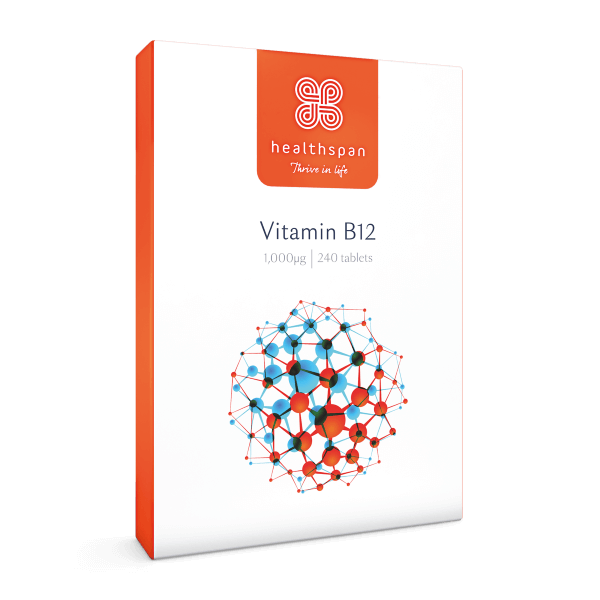
Vitamin B12
Vitamin B12 supplement for energy, immunity and normal nervous-system function
- Helps reduce tiredness and fatigue
- Supports normal immune-system function
- Contributes to normal red blood cell formation
When should you see your GP about menopausal hair loss?
Hair changes around menopause are common, but persistent or unexplained hair loss is worth discussing with your GP. This is particularly important if the shedding is sudden, severe or patchy, if your scalp is painful or inflamed, or if you have other symptoms that could suggest an underlying condition.
You should also seek medical advice if your periods have become particularly heavy, if you think you may have iron or vitamin B12 deficiency, or if you are experiencing symptoms such as significant tiredness, breathlessness, palpitations, numbness or pins and needles.
If your hair loss is a form of telogen effluvium caused by an underlying trigger such as illness, stress or a nutritional deficiency, addressing that trigger is important. Hair growth is slow, however, so improvements in shedding and volume can take several months to become noticeable.
Vitamin B12, iron and menopausal hair loss: FAQs
Here are answers to some of the most common questions about vitamin B12, iron and hair loss during perimenopause and menopause.
Can vitamin B12 cause hair loss?
No. Vitamin B12 itself is not generally recognised as a cause of hair loss. The more relevant concern is whether a person with hair loss also has a B12 deficiency or another underlying condition.
Can vitamin B12 deficiency cause hair loss?
The relationship is not straightforward. Micronutrient deficiencies may be relevant to some forms of hair loss, but current evidence does not show that B12 deficiency is the cause of most hair loss. If you have risk factors or other symptoms of B12 deficiency, a blood test may be appropriate.
Is vitamin B12 good for menopause?
Vitamin B12 is an essential nutrient throughout life and contributes to normal red blood cell formation, energy-yielding metabolism, nervous-system function and the reduction of tiredness and fatigue. It is not, however, a treatment for menopause itself.
Should you take vitamin B12 during menopause?
Not everyone needs a separate B12 supplement during menopause. Your requirements depend on your diet, ability to absorb B12 and other risk factors. People following vegan diets and those with certain absorption problems or medicines may need to pay particular attention to their B12 intake.
Can iron deficiency cause hair loss during perimenopause?
Yes. Hair loss can occur with iron-deficiency anaemia, and the risk of iron deficiency may be higher if your periods become heavier during perimenopause. If you suspect iron deficiency, speak to your GP about testing before starting a high-dose supplement.
What ferritin level is best for hair growth?
There is no universally agreed ferritin level that guarantees healthy hair growth. Laboratory reference ranges vary, and ferritin needs to be interpreted alongside your symptoms, medical history and other blood results.
How do you know if hair loss is from menopause or a deficiency?
It is not always possible to tell from the appearance of your hair alone. A clinician can consider the pattern and timing of the hair loss, your menstrual history, diet, medicines and other symptoms, and may arrange blood tests for conditions such as iron deficiency, vitamin B12 deficiency or thyroid problems where appropriate.