











If you're returning to exercise after a long period of time, or are looking to increase your training, then adapting the way you eat can help you to achieve your fitness goals. Nutritionist Rob Hobson explains the right approach to eating well when training.
Should you change the way you eat when you start exercising again?
This really depends on what your goals are. First and foremost, you should focus on eating a balanced diet that is rich in lean protein, healthy fats, complex carbohydrates (these are foods rich in fibre such as wholegrain bread, pasta and rice) and plenty of fruit and vegetables.
In some cases, the goal of training more might be to lose weight, so sticking to a balanced diet and maybe even reducing your energy intake might help you to achieve those goals.
If you're a healthy weight, then you may want to increase your energy and protein intake slightly to account for the extra training – of course this really depends on how much you're actually doing and to what intensity. An extra day at the tennis court is unlikely to require additional food.
What should you eat before a workout?
Some people like to train on an empty stomach, especially if they're doing so early in the morning, but this doesn't work for everyone. This approach is also unlikely to get you through, for example, a long tennis game, without you feeling fatigued.
Keep it simple before training with something rich in carbohydrates that will supply you with an immediate source of energy. Team this with a little protein and fruit or vegetables.
If you're training early, then breakfast smoothies are a good way to nourish yourself. Combine some sort of milk (dairy or plant) with oats, fruits and even vegetables such as avocado or spinach.
What should I eat after a workout?
After a workout it's good to eat a source of protein to help with the repair and growth of your muscle tissues. You don't need to eat much, and if you are watching your weight then the additional calories are not going to help. It may be that you split your morning or lunchtime meal into two smaller meals to eat before and after training.
Useful post-training snacks include boiled eggs, crackers with tuna, cottage cheese with sliced fruit, yoghurt with berries or hummus and wholemeal pitta bread.
How can you achieve good muscle mass with your diet?
Muscle mass is important to help with strength, mobility and balance. Unfortunately, we start to lose muscle from our mid-thirties onwards, and it can become a little more difficult to increase it beyond a certain age.
Resistance exercise is the best method of maintaining and building muscle mass, so try and include this in your regime. Diet-wise, it's important to maintain a good intake of lean protein by eating with every meal. If you're vegan, then try to eat a wide variety of plant proteins across the day such as beans, pulses, lentils and tofu, as this will ensure you get enough of all the amino acids required by the body.
What is the best way to rehydrate?
Hydration is really important when you're exercising or competing. Water is obviously the main way of hydrating, but it's not the only one, as all beverages including tea, coffee and milk contribute to hydration. Diet contributes up to 30% of our fluid intake and the most hydrating foods include watery fruits (good snacks), soups, and dishes with a high-water content such as casseroles and stews.
During intense exercise or when training on a very hot day you may want to add electrolytes to your water; these have been shown to help hydrate the body more effectively. Electrolytes include sodium and potassium which are required to maintain fluid balance in the body (you can lose a lot of sodium through sweat). It's this regulation of fluids that prevents cells from becoming too full (bursting) or shrivelling up from dehydration. Electrolytes also ensure that your nerves, muscles and brain are kept in good working order.
Don't be tempted to reach for sugary drinks when hydrating. These drinks are rich in glucose, and are really for those who are training very hard and require a source of energy during their session or during competition. For everyone else they just add unnecessary energy and sugar into the diet.
How can diet help with cramp?
Most people at some point have experienced muscle cramping, and it can happen to anyone at any time regardless of fitness. One minute you're having the best workout and the next you're blindsided by a tight, pinching pain which is excruciating enough to bring your training or competition to a halt.
The exact cause of cramp is not fully understood, and studies often produce mixed results, but these are some of the more common reasons why experts think they occur:
Dehydration
This hampers physical performance and can cause fatigue as well as affecting decision-making and concentration. If you're thirsty then you're already dehydrated. Dehydration can decrease the amount of fluid outside the cells, causing nerve endings to bunch together and spontaneously discharge (twitching of muscles) which may lead to cramp.
Electrolyte imbalances
Electrolytes are lost in sweat during exercise, and the one of most concern is sodium. Muscle cramps may occur when the concentration of sodium in the blood decreases. Electrolyte tablets added to water not only help the body to hydrate more effectively, but are also useful if you're prone to cramping.
Lack of carbohydrates
Carbohydrates are converted into glucose in the body, which it uses as its primary source of fuel. The body can store a finite amount of carbohydrate as glycogen in muscles and the liver, which is drawn upon to fuel your training. As that store of glycogen is exhausted, you may be more prone to cramp as the muscles need energy to contract and relax. If there isn't enough immediate fuel circulating and you continue to exercise and contract your muscles, then muscle relaxation may be impaired, and cramp occurs.
Include a source of carbohydrates with your meals and try to choose those high in fibre such as wholegrains. If you're watching your weight or trying to lose weight, then you may want to cut back on your carbohydrate intake in favour of protein and healthy fats. I would however recommend still including some carbs in your diet to support your energy levels and avoid cramping during training or competing.
If you're returning to training or trying to up your game, then diet is one of the key things to consider. You don't necessarily need to make huge changes, but watching what and when you eat to support your body during and after training is important.
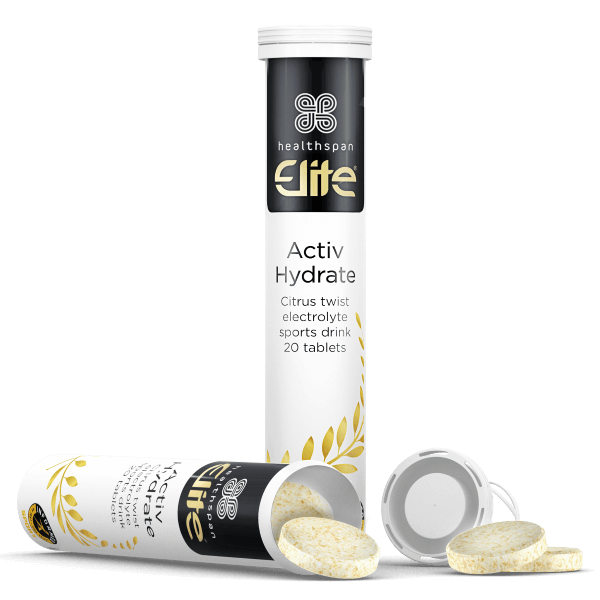
Elite Activ Hydrate
Delicious fruit-flavoured electrolyte drink to replenish minerals lost during exercise
- Replenishes the essential electrolytes sodium, calcium, magnesium and potassium
- Contains 300mg sodium
- Informed Sport-accredited
