













It's well documented that vitamin D is essential for healthy bones and teeth. What is less well known is that it also plays a pivotal role in immune health. We take a closer look at what vitamin D deficiency looks like, why it's important to get enough of the vitamin, and how to make sure that you do.
Vitamin D
Our body makes this immune-enhancing vitamin naturally when our bare skin is exposed to UVB rays – which is why it's often called the 'sunshine vitamin'. Yet, as we increasingly spend more time indoors and/or cover up in the sun, we might not be getting enough. This isn't helped by the fact there aren't a huge amount of food sources that can provide enough vitamin D, so it is a challenge to maintain sufficient levels all year round.
A lack of vitamin D is linked to a number of health problems, including autoimmune conditions, inflammatory bowel diseases, cognitive disorders (like dementia and Alzheimer's) and infections like 'flu and tuberculosis. Shockingly, 17% of adults, 13% of older adults and 26% of 11-18 year-old children in the UK are now estimated to be deficient in vitamin D, and most remain unaware as signs of deficiency are non-specific and their cause is not easily recognised.2
These symptoms include unexplained fatigue, brain fog, hair loss, aching and painful muscles, bone and lower back pain, depression and low mood, disrupted sleep, gut problems and greater susceptibility to colds or other viral infections. Having enough vitamin D can also be a determining factor in whether you develop an autoimmune condition, like coeliac disease, lupus and rheumatoid arthritis.
Fighting infection
Before an association between vitamin D and immune health was established scientifically, it had unwittingly been used with tuberculosis patients who were sent to sanatoriums - where their treatment included exposure to sunlight. Vitamin D-rich cod liver oil was also traditionally used to treat tuberculosis.3
Now, researchers are able to pinpoint more precisely some of the mechanisms through which vitamin D works on the immune response. For example, vitamin D is crucial for activating and regulating infection-fighting T-cells. Vitamin D is needed for their activation, so they can transform into killer cells, that help destroy alien pathogens, or helper cells that help the immune system 'remember' a given pathogen, so it can deal with it more effectively if it is encountered again.
Other breakthroughs show vitamin D not only helps to ward off infection and disease but also protects against autoimmune conditions. Vitamin D helps stop the body from attacking healthy tissues by triggering the development of regulatory T-cells - these help to recognise the difference between foreign invaders and 'self', so the immune system does not attack its own cells.4
Are you getting enough?
Most of us can make enough vitamin D in the spring and summer by exposing our bare skin to sunlight. In fact, the paler your skin, the more easily it produces vitamin D. However, this also leaves you more prone to burning - so up to 15 minutes is more than enough. If you have darker skin, though, you might need a couple of hours of sunlight. What's more, you're more at risk of not getting enough of the vitamin if you're over 50, housebound, overweight or obese, don't eat much fish or dairy, follow a strict vegan diet or don't want to expose your skin to sunlight.
Any deficiency, however, is easily remedied by consuming more vitamin D-rich foods such as oily fish (e.g. salmon and mackerel) a couple of times a week, by including eggs and dairy produce like milk in your meals daily, or by consuming foods fortified with vitamin D (like many breakfast cereals and fruit juices). The National Institute for Health and Care Excellence (NICE) also recommends that all adults in the UK take a daily supplement containing 400IU (10mcg) of vitamin D throughout the year.
Your level best
The amount of vitamin D you need also depends on factors such as how much you weigh, the darkness of your skin, whether you get outside much, and your age. Generally speaking, the European Food Safety Authority recommend a dietary reference value of 15mcg per day for all healthy people over the age of 1 year - especially between October and March.5 When selecting a supplement, choose one that provides Vitamin D3 (rather than vitamin D2) as this is the form that's produced naturally in your skin on exposure to sunlight and is found in animal-sourced foods like eggs and fish oils.6
Making these minor adjustments to your diet and lifestyle and introducing a regular vitamin D3 supplement into your daily routine, should help keep your levels of immune-enhancing vitamin D topped up.
If you'd like to learn more about how to keep your immune system healthy, select Immunity from the Your health menu above.
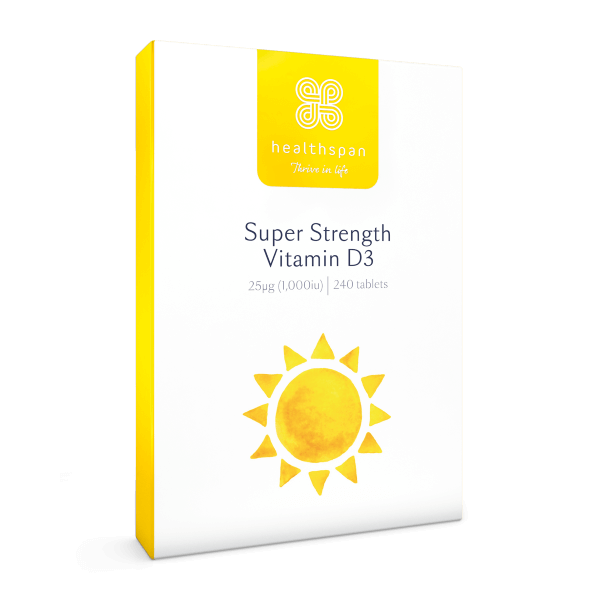
Super Strength Vitamin D3
For healthy bones, teeth, muscles and immunity
- 25 mcg vitamin D per tablet
- Helps keep bones, teeth and muscles healthy, and supports immunity
- Multiple health benefits from 9p a day
