











Glucosamine and chondroitin are two popular ingredients in joint-health supplements and are often taken together. However, research into their effectiveness has produced mixed results. Here we look at what they are, why they're combined and what the evidence says.
🕒 8 min read
Glucosamine and chondroitin are commonly found together in joint-health supplements. Although both are naturally associated with cartilage and joint tissues, evidence for the benefits of taking them as supplements is mixed and can vary according to the formulation and outcome being studied.
At a glance
- Glucosamine is a naturally occurring compound associated with cartilage and the structures around joints.
- Chondroitin is an important structural component of cartilage.
- The two ingredients are frequently combined in joint-health supplements.
- Research into glucosamine and chondroitin has produced mixed results, particularly when the two are taken together.
What are glucosamine and chondroitin?
Glucosamine
Glucosamine is a naturally occurring compound found in the body and associated with the fluid and structures surrounding the joints, including cartilage.
It is widely used as an ingredient in joint-health supplements. Our complete guide to glucosamine explains the different forms and uses of glucosamine in more detail.
Chondroitin
Chondroitin sulphate is an important structural component of cartilage and helps cartilage retain water.
Like glucosamine, it is commonly included in supplements aimed at people looking after their joints. You can also explore Healthspan's chondroitin supplements.
Can you take glucosamine and chondroitin together?
Yes. Glucosamine and chondroitin are frequently combined within the same supplement. However, research has not consistently shown that taking the combination provides greater benefits than taking the individual ingredients or a placebo.
Why are glucosamine and chondroitin combined?
Glucosamine and chondroitin are often combined because both are naturally associated with cartilage and joint structures, although they are different compounds.
Glucosamine is commonly described as a building block involved in joint structures, while chondroitin forms part of the cartilage matrix and contributes to its physical properties. This has made the two a popular combination in joint-health supplements.
How are they different?
Glucosamine: a naturally occurring compound associated with cartilage and structures around the joints.
Chondroitin: a structural component of cartilage that helps it retain water.
Together: they provide two different ingredients commonly used within the same joint-health formula.
Other nutrients and ingredients are also frequently paired within supplements. Our guide to supplement partners that work well together explains more.
What are the potential benefits of glucosamine and chondroitin?
Research into glucosamine and chondroitin has mainly focused on joint symptoms and osteoarthritis. Results vary considerably between studies, so potential benefits should be considered in the context of the wider evidence.12
Joint pain and stiffness
Clinical trials have investigated whether glucosamine or chondroitin can affect joint pain and stiffness, particularly in people with osteoarthritis. Some studies report modest improvements, while others find little or no clinically meaningful difference compared with placebo.
For general advice on looking after uncomfortable joints, read our guide to joint aches and discomfort.
Mobility and physical function
Researchers have also examined whether supplementation affects physical function and everyday movement. Again, findings are mixed and appear to vary according to the ingredient, formulation and study design.
Cartilage and joint structure
Some long-term studies have investigated changes in joint structure, including joint-space narrowing. The evidence is not consistent enough to conclude that glucosamine and chondroitin prevent cartilage loss or long-term joint damage.
Taking them together
Although glucosamine and chondroitin are commonly sold together, research has not consistently found the combination to be more effective than placebo or the individual ingredients.
How effective are glucosamine and chondroitin?
Evidence on glucosamine and chondroitin remains mixed, with different studies reaching different conclusions.
What does the research say?
A 2018 meta-analysis of 30 randomised trials reported that chondroitin performed better than placebo for some measures of pain and physical function, while glucosamine showed an effect on stiffness. However, there was not enough evidence to show that the combination of glucosamine and chondroitin was superior to placebo.1
A large 2010 network meta-analysis published in The BMJ reached a more cautious conclusion. It found that glucosamine, chondroitin and the combination produced only small differences in joint pain compared with placebo and found no clear clinically relevant effect on joint-space narrowing.2
In the UK, NICE currently advises against offering glucosamine to manage osteoarthritis because it considers there to be no strong evidence of benefit.3
This does not mean that every study has produced the same result. Differences in supplement formulation, ingredient form, dosage, study quality and the people taking part can all affect the findings.
Overall, the evidence does not support presenting glucosamine and chondroitin as a proven treatment for joint pain or osteoarthritis. Anyone experiencing persistent or worsening joint pain should discuss it with a healthcare professional rather than relying on supplements alone.
How much glucosamine and chondroitin should you take?
There is no single dose that applies to every glucosamine and chondroitin supplement. Products can contain different forms and quantities of each ingredient, so always follow the dosage and serving instructions provided with the individual product.
Research has also used different doses and formulations, which is one reason results from clinical studies cannot necessarily be applied to every supplement.
When should you take glucosamine and chondroitin?
There is no established best time of day to take glucosamine and chondroitin. Follow the instructions provided with your supplement. If the product is designed to be taken with food, take it with a meal as directed.
Speak to your doctor or pharmacist before starting a new supplement if you take regular medication or have an existing health condition.

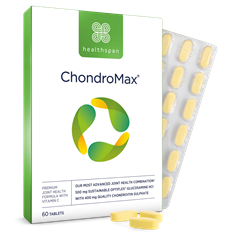
Optiflex® Glucosamine & Chondroitin
Glucosamine HCl with chondroitin and vitamin C
- 500 mg Glucosamine HCl
- Combined with 100 mg chondroitin
- Added vitamin C
What are the side effects of glucosamine and chondroitin?
Glucosamine and chondroitin are generally well tolerated, but some people may experience digestive side effects. These can include:
- Nausea or an upset stomach
- Heartburn or indigestion
- Bloating
- Diarrhoea
The source of glucosamine can also vary between products, so check the ingredients carefully if you have a shellfish allergy.
Taking warfarin?
Speak to your doctor or pharmacist before taking glucosamine if you use warfarin. Increased INR has been reported when glucosamine and warfarin are taken together.4
If you experience a suspected adverse reaction after taking a supplement, stop taking it and seek advice from a healthcare professional.
If you're comparing different joint-health options, our turmeric vs glucosamine guide explains how the two differ.
Glucosamine and chondroitin FAQs
What is glucosamine chondroitin MSM?
Glucosamine, chondroitin and MSM are three separate ingredients that are sometimes combined in joint-health supplements. MSM stands for methylsulphonylmethane. A glucosamine and chondroitin supplement does not necessarily contain MSM, so check the product label if you're looking for all three ingredients.
Can you take glucosamine and chondroitin together?
Yes. Glucosamine and chondroitin are commonly combined within the same supplement. Research into the effectiveness of the combination is mixed, however, and it has not consistently been shown to outperform placebo.
What is the difference between glucosamine sulphate and glucosamine HCl?
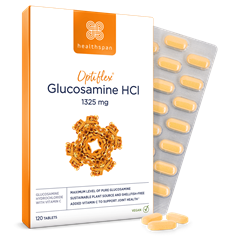
Glucosamine sulphate and glucosamine hydrochloride (HCl) are different forms of glucosamine used in supplements. Clinical studies have used different forms and formulations, so findings from one product or form should not automatically be applied to another. Our glucosamine guide explains the ingredient in more detail.
How much glucosamine and chondroitin should you take?
The amount depends on the individual formulation. Always follow the dosage and serving instructions on the product packaging rather than applying the dose from a different supplement or clinical study.
When should you take glucosamine and chondroitin?
There is no established best time of day. Follow the directions provided with your supplement, including any instructions about taking it with food.
How long does glucosamine and chondroitin take to work?
Research does not establish a consistent timeframe in which everyone should expect to notice a benefit. Study findings vary, so supplements should not be presented as providing a guaranteed result within a particular number of weeks.
Are glucosamine and chondroitin supplements suitable for pets?
Glucosamine and chondroitin are also commonly included in supplements formulated specifically for cats and dogs, including products intended for older pets.
For pet owners
Use products formulated specifically for animals and follow the dosage instructions provided for your pet. Speak to your vet if your pet has persistent stiffness, pain or difficulty moving.
Healthspan's pet range includes Flexi-Joints® Plus for Dogs and Flexi-Joints® for Cats, both formulated specifically for pets.
Glucosamine and chondroitin supplements at Healthspan
Healthspan Optiflex® Glucosamine & Chondroitin combines glucosamine HCl and chondroitin with added vitamin C in one daily supplement.
Because glucosamine products can use different forms and quantities of the ingredient, check the individual product information and follow the recommended daily intake rather than assuming all glucosamine and chondroitin supplements are equivalent.