











Low testosterone can affect sex drive, energy, mood, muscle and more. Discover the signs to look for, possible causes and when to speak to your GP.
🕒 8 min read
Fatigue. Low mood. Reduced sex drive, and muscles that are harder to hold onto than they used to be. Each of these has several plausible explanations, which is why low testosterone can sometimes be put down to stress, poor sleep or simply getting older.
Testosterone levels can change as men age, but age alone does not diagnose testosterone deficiency. Symptoms tend to make more sense when viewed together rather than one at a time. This guide covers the signs of low testosterone, what can cause levels to fall, what a testosterone blood result means and what to do if you think your levels may be low.
What are the symptoms of low testosterone?
The difficult thing about low testosterone is that many of its symptoms are non-specific. Fatigue, low mood and problems concentrating can have numerous possible causes, so symptoms alone cannot confirm that testosterone is low.
Sexual symptoms are among the more characteristic signs. These can include a persistent reduction in sex drive, erectile dysfunction and fewer spontaneous or early-morning erections.1
Other symptoms associated with testosterone deficiency can include reduced energy, fatigue, irritability, depressed mood and difficulty concentrating. Changes in body composition can also occur, including reduced muscle mass and increased body fat, while longer-term testosterone deficiency can affect bone density.1
Testosterone also has an important role in reproductive health. Testosterone deficiency can be associated with reduced sperm production, and some men may notice gradual changes in facial or body hair.
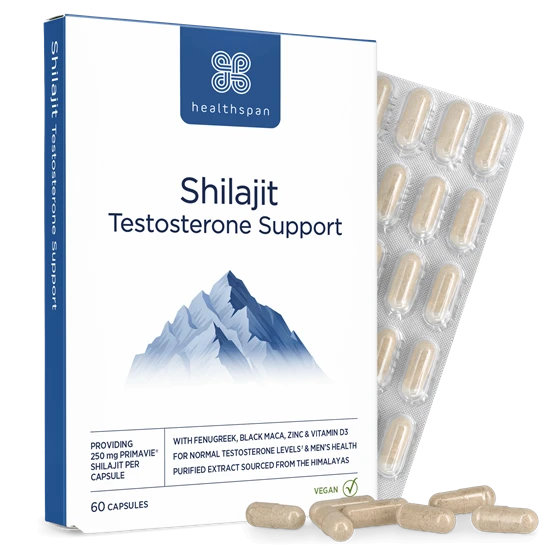
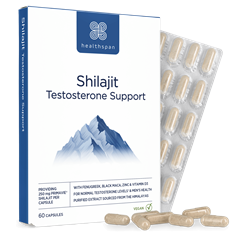
Shilajit Testosterone Support
For healthy testosterone levels
- PrimaVie® Shilajit, Fenugreek and Black Maca
- For sexual health, energy, muscle and cognition
- With zinc picolinate and vitamin D3
How to tell if a man's testosterone is low
Symptoms alone are not enough to know for certain. Fatigue, low mood, reduced libido and erectile difficulties can all have many other causes.
Clinical guidance recommends diagnosing testosterone deficiency only when compatible symptoms are accompanied by consistently low testosterone concentrations. Testosterone should normally be measured using a morning blood sample, and a low result generally needs to be confirmed with another test rather than relying on one isolated reading.12
What is a normal testosterone level?
There is no single testosterone number that defines what is normal for every man. Reference ranges differ between laboratories and testing methods, and a result needs to be considered alongside symptoms, age, health and other relevant blood results.
Testosterone is usually reported in nmol/L in the UK. As an example, one current NHS endocrine pathway uses a reference range of 10–30 nmol/L for a total testosterone sample taken between 8am and 9am. In that pathway, a result above 11 nmol/L makes androgen deficiency less likely, 7–11 nmol/L is considered equivocal and below 7 nmol/L makes androgen deficiency more likely.2
These figures should not be used to diagnose yourself. Testosterone varies from day to day and can temporarily fall during illness, which is why symptoms, repeat testing and clinical interpretation are important.
What is a dangerously low testosterone level?
"Dangerously low testosterone" is not a formal clinical category with one universal cut-off. A markedly low result may make an underlying testicular, pituitary or other medical cause more likely, but the significance depends on the result, symptoms and wider clinical picture.
If a morning blood test shows low testosterone, particularly if symptoms are significant, the appropriate next step is to discuss the result with your GP rather than trying to interpret the number on its own. Further testing can help establish whether testosterone is genuinely low and why.
What causes low testosterone?
Low testosterone can arise because the testes are not producing enough testosterone, because the hypothalamus or pituitary gland is not sending the appropriate hormonal signals, or because of functional factors such as obesity or illness.1
Obesity and type 2 diabetes are commonly associated with lower testosterone concentrations in men. The relationship is complex and can work in both directions, which is why body composition and metabolic health are important considerations when investigating possible testosterone deficiency.3
Sleep, general health, medicines and other lifestyle factors may also influence testosterone measurements. Testosterone can temporarily fall during acute illness, so testing is usually best carried out once an acute illness has resolved.2
What causes low testosterone in young males?
Low testosterone can affect younger men too. Possible causes include testicular or pituitary conditions, obesity, some chronic health conditions, certain medicines and anabolic-androgenic steroid use.
Anabolic steroid use is particularly important to mention because externally supplied testosterone or similar anabolic-androgenic compounds can suppress the body's hypothalamic-pituitary-gonadal axis and reduce its own testosterone production. In some men, symptoms can persist after the steroids are stopped.4
If a younger man has persistent symptoms of testosterone deficiency, particularly problems with sexual function or fertility, seeking medical assessment is preferable to trying to correct the problem with supplements or testosterone bought online.
What does low testosterone do to a man?
Confirmed testosterone deficiency can affect several areas of health. Sexual symptoms can include reduced libido, erectile dysfunction and fewer spontaneous erections, while other effects can include reduced energy, changes in mood, reduced lean mass and muscle strength, and lower bone mineral density.1
Low testosterone is also frequently seen alongside obesity, metabolic syndrome and type 2 diabetes. These associations do not mean low testosterone is necessarily the cause of those conditions, but they are another reason persistent symptoms and a confirmed low blood result are worth discussing with a healthcare professional.3
Can low testosterone go back to normal?
Sometimes. Whether testosterone can return to a healthier level depends on why it is low in the first place.
When excess body weight and related metabolic factors are contributing, weight loss can improve testosterone concentrations. A 2026 umbrella review of systematic reviews and meta-analyses found that weight-loss interventions improved sex-hormone profiles in adults with obesity, including increases in testosterone in men.5
Where there is an underlying testicular, pituitary or other medical condition, however, lifestyle changes alone may not resolve the problem and medical assessment is needed.
Can a man rebuild testosterone?
Where modifiable lifestyle factors are contributing, improving body composition, physical activity, sleep and overall health can help create a healthier environment for normal hormone production.
For practical advice, see our Natural ways to support healthy testosterone levels guide.
Where lifestyle changes are not enough and testosterone deficiency has been medically confirmed, testosterone replacement therapy may be considered in appropriate patients. For more information, read The real side effects of testosterone replacement therapy for men.
How to treat low testosterone
Treatment depends on the underlying cause. A diagnosis of hypogonadism should be based on symptoms together with consistently low testosterone results, followed by assessment of why testosterone is low.1
For some men, addressing contributing factors such as excess weight or an underlying health condition may be appropriate. For others with confirmed testosterone deficiency, a clinician may consider testosterone replacement therapy after discussing its potential benefits, risks, fertility implications and required monitoring.
Can I treat myself for low testosterone?
Not with testosterone medication. Testosterone replacement therapy requires appropriate medical assessment, prescribing and follow-up. Using testosterone or other hormone products obtained without medical supervision can carry significant risks.
If lifestyle factors are contributing, however, there are sensible steps you can take yourself. Regular physical activity, adequate sleep, maintaining a healthy weight, eating a balanced diet and managing stress all support wider health and wellbeing.
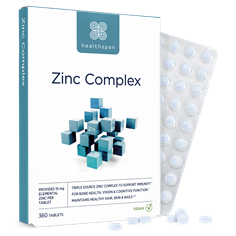
Zinc also has an authorised health claim for contributing to the maintenance of normal testosterone levels in the blood.6
How do I check my testosterone level at home?
Home testosterone testing services are available, but a home result should not be used on its own to diagnose testosterone deficiency or decide whether you need treatment.
If you have persistent symptoms, speak to your GP. Clinical assessment normally starts with a morning total testosterone blood test. If the result is low, it should generally be repeated, and additional tests may be needed to establish the cause.12
How do I boost my testosterone?
There is no single lifestyle change that reliably produces a dramatic increase in testosterone for everyone. Instead, focus on the foundations of good health: regular exercise, adequate sleep, managing stress, maintaining a healthy body composition and eating a balanced diet that provides enough energy and essential nutrients.
If you want a detailed breakdown of these strategies, read Natural ways to support healthy testosterone levels.
Does not ejaculating for 7 days increase testosterone?
There is no good evidence that avoiding ejaculation for seven days provides a sustained or clinically useful increase in testosterone.
A small 2003 study is often cited online as evidence that testosterone rises sharply on the seventh day of abstinence. However, that paper was subsequently retracted and should not be used as evidence for this claim.7
Other small studies have investigated sexual activity, abstinence and short-term hormone changes, but they do not establish seven days of abstinence as an effective way to treat or meaningfully raise low testosterone.8
Where supplements fit in
Supplements are not a treatment for medically diagnosed testosterone deficiency and should not be used as a substitute for investigating persistent symptoms. They can, however, provide nutritional support alongside a healthy lifestyle.
Zinc contributes to the maintenance of normal testosterone levels in the blood.6 Vitamin D contributes to normal muscle function, as well as the maintenance of normal bones and normal immune function.
Healthspan's Shilajit Testosterone Support combines PrimaVie® Shilajit, fenugreek and black maca with zinc picolinate, vitamin D3, iodine and boron.
For a broader look at nutritional support, read our best vitamins and supplements for men's health guide, or explore the full men's health range.
If you're concerned about your testosterone levels, particularly if you have persistent sexual symptoms, fatigue or other unexplained changes, speak to your GP for appropriate assessment.
Top ↑