









Feel like your get up and go got up and went? We investigate what lies behind dwindling energy as you age and what you can do to zip up your zest
🕒 9 min read
Lack of energy is a common complaint in later life with two in five older people saying they felt weak, tired and lacking in energy in a large global study that included 17,843 individuals.1 So, if you’ve noticed you have less get up and go than you used to, you’re certainly not alone.
A slew of factors – from how you eat2 and sleep to how active you are, together with changes in muscle mass and strength3 and hormone levels4 – can affect energy as the years go by. But constantly running on empty isn’t something you should just accept.
So what's normal, what's not, and is there anything you can do to optimise energy in later life? Here’s what you need to know.
Is it normal to feel more tired as you age?
It is – up to a point! Feeling tired after a day out with the kids or grandkids, being more physically active than usual, during a period of stress or after a late night is normal – and would be at any age.5 But once you’ve recovered from these short-term energy sappers you shouldn’t still feel wiped out.
Of course, you can’t expect to have the same energy at 65, 75, 85 or beyond as you did at say 25. But that’s a far cry from feeling so constantly tired that your day-to-day is an uphill struggle.6 If that’s the case it’s time to seek medical advice.
Natural changes in biology
Some of the decline in energy levels is down to natural changes in biology as we age. These include:
- Changes in body composition… we lose around 1% of muscle mass each year from middle age.7 At the same time we accumulate more fat.8 Muscle cells are packed with mitochondria – the ‘powerpacks’ of cells – that burn fuel to produce energy. Fat cells? Not so much.
- Changes in hormones… oestrogen, testosterone and other hormones such as thyroid and growth hormones are on a downhill trajectory.9 This can have a knock-on effect on other aspects of health.
- Slower metabolism… your basal metabolic rate (BMR), the rate at which your body uses energy at rest, gradually dwindles. This is partly because, as noted, muscle cells burn up energy – they’re more metabolically active as the experts say – so as fat increases and muscle mass wanes, so too does resting energy use.10
Common causes of low energy in later life
Biology isn’t destiny, however: your lifestyle and habits can significantly impact energy levels.
Check out these common energy busters:
- Poor sleep… sleep is vital for resilience but tends to become lighter and more fragmented as we age. And needing to get up in the night to go to the loo doesn’t help matters.11 Even if you get your seven, eight or more hours’ shut-eye, broken nights can leave you weary.
- Inactivity… lack of energy can lead you to be less active. Over time this can contribute to muscle loss.12 This in turn can make everyday tasks including staying active harder: a vicious circle.
- Dehydration… thirst signals diminish with age which can lead to dehydration, which can leave you feeling sluggish.13
- Low protein intake… older muscles respond less efficiently to dietary protein leaving both muscles and energy level in danger of deficit.14
- Lack of appetite… we tend to have a less healthy appetite as we get older which can reduce food intake leading to weight loss and nutrient gaps. Worth mentioning to your GP if persistent.15
- Dental issues… oral health issues like wobbly or missing teeth, pain when you chew, dry mouth and gum disease can lead to poor nutrition and lack of energy.16
- Alcohol… that evening tipple can disrupt sleep even as it causes you to drop off quickly.17 It can also affect nutrient absorption.18
- Chronic stress… ongoing stress can sap energy, according to a German study, which suggests that fatigue could be a stress-related response to prolonged tension.19
- Medication side effects… common meds – think blood pressure tablets, antihistamines and antidepressants – can cause sleepiness.20 If you noticed your lack of energy when you started a new prescription speak to your GP or pharmacist.
- Underlying health conditions… common conditions in later life – for instance anaemia, thyroid problems, sleep apnoea, heart or lung disease or diabetes – are all linked to fatigue.21 One UK study found almost three out of ten patients over 65 years were anaemic.22 A good reason to check with your GP if you’re ‘tired all the time’ rather than assuming it’s your age.
When to talk to your doctor
While the factors listed can help explain waning energy levels, it’s worth seeking medical advice if fatigue is:
- Persistent… lasting several weeks or more and not easing with rest23
- Sudden… appearing out of the blue, especially if you were previously fit and well
- Severe or unexplained… out of proportion to what you would expect from your daily activities.
Sometimes low energy can be a sign of something more serious. If you are experiencing the following seek medical help:
- Chest pain or breathlessness
- Fainting, dizziness or unsteadiness
- Unexplained weight loss
- Fever that doesn’t dissipate
- Persistent loss of appetite
- Unusual or unexplained bleeding
- Significant mood change (e.g. feeling down, anxiety, loss of interest in things you previously enjoyed).
How to support your energy day to day
The good news is there are lots of simple steps you can take to help improve your energy:
- Move every day… aim for at least 150 minutes of moderate activity – think brisk walking, swimming or cycling – or 75 minutes of vigorous activity – jogging, running, fast dancing or anything that prevents you saying more than a few words without needing to catch your breath.24
- Muscle up… twice a week include resistance work with weights, bands, kettlebells, machines or body weight – plus balance and flexibility work.25
- Embrace ‘snacktivity’… short on time? Exercise ‘snacks’ (2 to 5 minutes) can be a good way to clock up your physical activity quota.26
- Eat regularly… skipping meals or going long stretches without food isn’t a smart idea for older adults. Aim for regular meals built around a source of protein, such as meat, fish, eggs, cheese and pulses, together with fibre-rich carbohydrates such as wholegrains, veggies, fruit and healthy fats. Think Mediterranean diet and you won’t go far wrong.27
- Prioritise protein… half of older people don’t get enough according to a 2020 University of Sheffield study. Aim for 25-30 grams of protein at each of three daily meals to stimulate muscle protein synthesis.28
- Drink up… aim for six to eight glasses of fluid a day (around 1.2 to 1.5 litres). Water, milk, tea, coffee and sugar free drinks all count but don’t wait to feel thirsty.29
- Be sleep savvy… going to bed and waking at similar times each day and other sleep hygiene measures help keep your body clock on track. Getting outside in natural daylight, especially earlier in the day, can help too.30 Find out more about how to sleep better.
- Manage stress… it’s nigh on impossible – and undesirable – to eliminate all stress. After all it’s what gets us out of bed in the morning. But finding healthy ways to manage it such as regular movement, time spent outdoors and staying socially connected can pay energy dividends.31
See Energy Friends and Foes for more ideas.
Cellular energy – what's happening in your body?
Every cell in your body depends on tiny structures called mitochondria – the powerpacks of cells – to turn food into energy your body can use. As we get older, these powerpacks become less efficient, which may partly explain age-related decline in muscle health and performance.32
The good news is that mitochondrial decline isn't inevitable. Research suggests regular exercise can help offset it.33 Scientists are also investigating whether intermittent fasting could help too, though it’s not right for everyone, so check with your doctor.34
The new kid on the block
One compound currently creating a buzz for its potential role in energy metabolism in cells is NAD+ (nicotinamide adenine dinucleotide). Found in all living cells NAD+ is a co-enzyme, a helper molecule that helps catalyse numerous cellular activities. These include energy metabolism, DNA repair, and cell signalling, the body’s internal messaging service.3536 NAD+ levels naturally fall as the years go by, and scientists are investigating whether topping them up could help support healthy ageing.37
Can supplements help energy levels as you age?
First things first: no pill can replace a healthy, balanced diet. But supplements may help bridge those nutrient gaps that often come with age. Certain nutrients in particular punch above their weight when it comes to energy:
Vitamin B12
Found mainly in meat, fish, eggs and dairy, vitamin B12 contributes to normal energy-yielding metabolism – meaning it helps your body turn food into energy as well as contributing to the reduction of tiredness and fatigue. It also contributes to red blood cell formation, immune health and normal psychological function.
Vitamin B12 deficiency anaemia increases in later life, with reports suggesting that 6% of over-60s and as many as 20% of over 85 year olds fall short.38 The reason? To absorb vitamin B12 properly we need stomach acid, which becomes less with age. Vegetarians and vegans also risk deficiency, as B12 is found almost exclusively in animal foods, so must get it from fortified foods or supplements.
Note: Signs of B12 deficiency anaemia can be vague and easily missed. The surest way to find out if it may be contributing to low energy is to ask your GP for a blood test.
Pantothenic acid
Pantothenic acid, found in meat, wholegrains, eggs and vegetables, could also earn a place on your supplements shelf. Like vitamin B12, it contributes to normal energy-yielding metabolism as well as to the reduction of tiredness and fatigue. It also contributes to normal mental performance, and normal synthesis and metabolism of steroid hormones, vitamin D and some neurotransmitters (nerve cell messenger chemicals).
Nicotinamide riboside
The trace nutrient, nicotinamide riboside, a form of vitamin B3 or niacin, that the body converts into NAD+, is one to keep an eye on. First identified as a natural component of cow’s milk, scientists are exploring its potential role in healthy ageing and cellular energy production.39
- A 6-week trial in healthy 55–79 year-olds published in 2018 found nicotinamide riboside well tolerated with no serious side effects. It raised NAD+ levels in blood cells by around 60%.40
- In a small 21-day trial published in 2019 nicotinamide riboside raised NAD+-related compounds in the muscle of 12 men aged 70-80 years. It also lowered inflammatory markers, though it didn't change muscle mitochondrial energy output.41
Nicotinamide riboside is not a magic fix for fatigue. And it’s still not known how – or even whether – it might boost energy, but it’s definitely one to watch.
Check out Healthspan’s healthy ageing supplements:
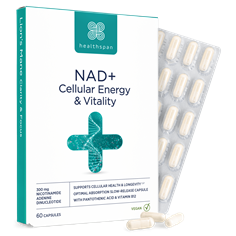
- NAD+ Cellular Energy & Vitality, combining NAD+ with vitamin B12 and pantothenic acid
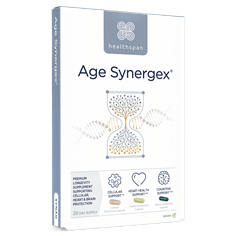
- Age Synergex, a three-capsule formulation containing nicotinamide riboside
Visit our longevity supplements range to explore these and other healthy ageing products.
The bottom line
It’s important not to shrug off constant, overwhelming tiredness as ‘just my age.’ If fatigue is severe, sudden or persistent, your GP is your best ally in getting to the bottom of it.
But for everyday flagging energy much of the fix is down to you. Eat well, keep moving, prioritise sleep, stay hydrated, manage stress, and consider a supplement to help support healthy ageing. Small changes with a potentially big payoff that could help revive your get up and go.