









Postpartum hair loss is a common, temporary form of shedding after childbirth. Discover why it happens, when it tends to peak and settle, and practical ways to support your hair while it recovers.
🕒 5 min read
Finding more hair than usual in the shower or your hairbrush a few months after having a baby can feel alarming on top of everything else that's already changing. However, postpartum hair loss is very common and, in most cases, temporary.
Why hair loss after birth is so common
Outside pregnancy, most of your hair is in its active growth phase at any given time. During pregnancy, rising oestrogen levels can keep more hairs in this growth phase for longer, which is one reason hair often appears fuller while you're expecting.
After birth, oestrogen levels fall sharply. Many of the hairs that stayed in the growth phase during pregnancy then move into the resting and shedding phases at around the same time. This can lead to noticeably more hair coming away when you wash or brush it several months later.
What causes postpartum hair shedding?
This sudden shedding is a form of telogen effluvium, a temporary type of hair shedding that can be triggered by a significant physical or hormonal change.
According to Johns Hopkins Medicine, childbirth is a common trigger for this type of shedding. Other significant hormonal changes, including those following miscarriage or stillbirth, can also produce a similar response.
What does the postpartum hair loss timeline look like?
One of the most confusing things about postpartum hair loss is that the shedding does not usually begin immediately after giving birth. The hormonal change happens around delivery, but affected hairs take time to move through the resting phase before they shed.
A questionnaire-based study found that postpartum shedding began on average around 2.9 months after birth, peaked at around 5.1 months and settled at around 8.1 months. These figures are averages rather than a timetable that will apply to everyone.
More broadly, many women begin to notice increased shedding at around three months after giving birth, with the normal hair growth cycle gradually returning over the following months.
Does breastfeeding make postpartum hair loss worse?
Breastfeeding itself is not considered the primary cause of postpartum hair loss. The main trigger is the hormonal change that follows pregnancy and childbirth.
Some research has found an association between longer breastfeeding duration and a longer period of postpartum shedding. However, this does not establish that breastfeeding itself causes the hair loss, and experiences vary between women.
If you're breastfeeding and still noticing increased shedding several months after giving birth, that does not automatically mean something is wrong. However, prolonged or unusual hair loss is worth discussing with a healthcare professional rather than assuming it is solely related to breastfeeding.
What helps nutritionally during this period?
A varied, balanced diet is particularly important during the postpartum period. Protein and a range of vitamins and minerals are needed for normal body functions, including the maintenance of normal hair.
Iron is particularly worth considering after pregnancy and childbirth because blood loss during delivery can contribute to iron deficiency. If you're experiencing persistent tiredness, weakness or other symptoms alongside hair loss, speak to your GP about whether testing may be appropriate.
Rather than assuming a particular nutrient is responsible, it's best to identify and address any genuine deficiency. Food supplements can complement a balanced diet but should not replace it.
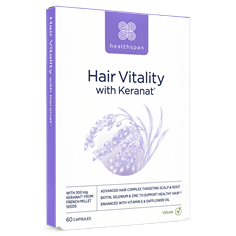
If you're considering a hair supplement such as Hair Vitality with Keranat®, check the product information carefully and speak to a healthcare professional if you're breastfeeding, taking medication or have any concerns about suitability.
Practical things that can help day to day
Postpartum shedding usually needs time to run its course, but a few practical changes can make your hair feel easier to manage while it does:
- A shorter style or fresh cut can make thinning hair appear fuller, as longer hair can emphasise a loss of volume.
- Volumising shampoos and lighter conditioners can help give hair more body.
- Handle your hair gently and avoid harsh brushing, particularly while it is wet.
- Avoid repeatedly pulling your hair into tight ponytails, buns or braids.
- Limit excessive heat styling where possible to help reduce unnecessary breakage.
When is it more than normal postpartum shedding?
Most postpartum hair loss gradually resolves on its own. However, it's worth speaking to a doctor if the shedding is severe or patchy rather than spread evenly across the scalp, if your scalp is painful or inflamed, or if your hair has not begun returning towards its usual fullness after around a year.
It's also worth seeking advice if the hair loss occurs alongside other unexplained symptoms such as persistent fatigue or weight changes, as another condition or nutritional deficiency may be contributing.
If you're unsure whether what you're experiencing fits normal postpartum shedding, our guide to the most common causes of hair loss explains some of the main patterns and possible causes.
Hair loss can also be emotionally difficult. If the change is affecting your confidence, mood or day-to-day wellbeing, it's reasonable to raise this with your GP or health visitor alongside the physical symptoms.
Frequently asked questions
Why does hair fall out after having a baby?
Rising oestrogen during pregnancy keeps more hairs in the active growth phase for longer. After birth, oestrogen levels fall and many of those hairs move into the resting and shedding phases at around the same time, leading to noticeably increased shedding a few months later.
When does postpartum hair loss stop?
Postpartum shedding usually improves gradually over the months after it begins. For many women, hair moves back towards its normal growth cycle within around 6 to 12 months after giving birth.
Does postpartum hair loss grow back?
In most cases, postpartum hair loss is temporary and hair gradually returns towards its usual growth cycle and fullness. If this is not happening after around a year, or you're concerned about the pattern of hair loss, speak to a doctor or dermatologist.
How long after birth does hair loss start?
Many women notice shedding beginning around three months after giving birth. The delay occurs because hairs affected by the hormonal change at delivery take time to move through the resting phase before shedding.
Supporting your hair through this stage
Postpartum hair loss usually improves with time. Eating a balanced diet, addressing any identified nutritional deficiency and handling your hair gently can all help support your overall hair health while its normal growth cycle recovers.
Hair Vitality with Keranat® is one nutritional option available within Healthspan's hair care range. If you're breastfeeding or are unsure whether a supplement is suitable for you, speak to a healthcare professional before taking it.
Browse the full hair, skin and nails range to explore the available options.