











The lifestyle habits that genuinely support healthy testosterone levels, including exercise, sleep, nutrition, stress and where supplementation fits in.
🕒 6 min read
Testosterone is one of those hormones that most people associate with one or two things, usually muscle or libido, when really it influences far more than those, from energy, mood and bone health to cognitive function. That's why, when levels fall, the effects can show up across multiple areas at once, and why the question of how to support healthy testosterone naturally is worth taking seriously. For most people, the answer starts with lifestyle habits rather than supplements, and many of the changes that support hormone health are the same ones that support overall health.
Why testosterone levels change
Testosterone levels can change with age in both men and women, but age is only part of the picture. In men, large analyses suggest that body weight, health conditions and activity levels are also associated with differences in circulating testosterone.1 Sleep, stress, body composition, physical activity and diet can all form part of the wider hormonal picture, so healthy testosterone levels are not determined by age alone.
Testosterone matters for women too, although it is present at much lower concentrations than in men. It has roles in sexual and reproductive health, while symptoms sometimes associated with hormonal changes, such as fatigue or reduced libido, can have many different causes. The lifestyle principles below can support overall health in both sexes.
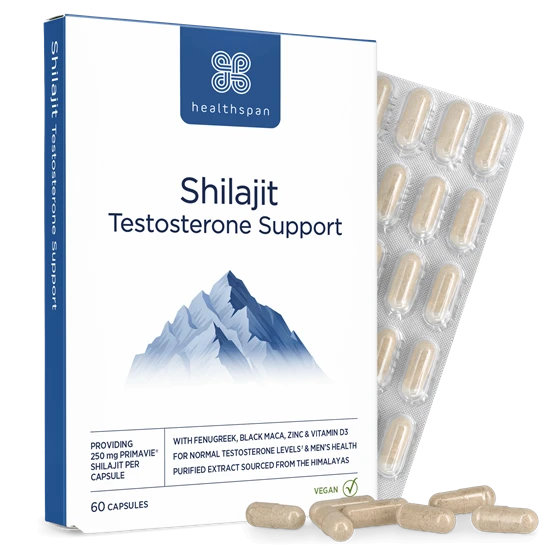
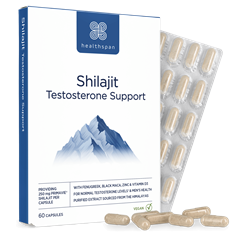
Shilajit Testosterone Support
For healthy testosterone levels
- PrimaVie® Shilajit, Fenugreek and Black Maca
- For sexual health, energy, muscle and cognition
- With zinc picolinate and vitamin D3
Can exercise increase testosterone?
Exercise is one of the most useful habits for overall health, although its effect on testosterone depends on factors including training type, intensity, age and whether researchers are measuring a short-term response after exercise or resting testosterone levels.
Research in older men suggests that aerobic and interval training may produce small increases in basal testosterone, while resistance training does not consistently increase resting testosterone levels overall.2 Resistance training can still produce short-term hormonal responses after exercise and, more importantly, supports muscle strength, body composition and physical function.
In practice, a combination of resistance exercise and cardio makes sense for wider health. Lifting weights with compound movements such as squats, deadlifts and presses works large amounts of muscle at once, while running, cycling and other cardiovascular exercise can support fitness, body composition and heart health.
How to boost testosterone naturally through training
A balanced training approach combines resistance exercise and cardio consistently over time. Focus on large movements such as squats, deadlifts and presses, train at an appropriate intensity and build up gradually rather than doing too much too soon.
Recovery matters too. Continually pushing training volume or intensity without sufficient rest can impair performance and recovery, so more exercise is not automatically better.
Sleep and testosterone
Of all the lifestyle factors associated with testosterone, sleep is one of the easiest to underestimate. Testosterone follows a daily rhythm, with concentrations generally highest in the morning, and sleep disruption can affect this pattern.
A 2021 systematic review and meta-analysis of 18 studies involving 252 men found that total sleep deprivation significantly reduced testosterone levels. Importantly, short-term partial sleep deprivation did not show a significant overall effect, so the relationship is more nuanced than simply assuming that one short night's sleep will immediately lower testosterone.3
Seven to nine hours of good-quality sleep per night is a practical target for most adults. A consistent sleep schedule, a cool, dark room and limiting screen time before bed can all help support sleep quality as well as quantity.
Weight management and testosterone
Body composition and testosterone are closely linked. Higher BMI is consistently associated with lower testosterone concentrations in men,1 while research into weight-loss interventions shows that improving body weight in people living with obesity can also improve sex-hormone profiles.4
The other extreme is not necessarily helpful either. Severe calorie restriction and chronically under-fuelling the body can interfere with normal hormone production and recovery. The aim should be a healthy, sustainable body composition rather than chasing an extreme body-fat percentage.
Nutrition and testosterone
What you eat can form part of the overall picture. Eating too little over long periods or following an unnecessarily restrictive diet may affect normal hormone production. A systematic review of intervention studies found that low-fat diets were associated with modest reductions in total and free testosterone in men, although the authors noted that further randomised controlled trials are needed.5
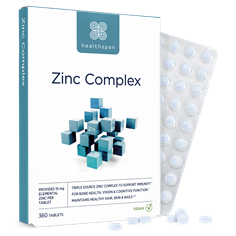
Zinc has a particularly clear role because it carries an authorised health claim for contributing to the maintenance of normal testosterone levels in the blood.6 Food sources of zinc include red meat, shellfish, pumpkin seeds and legumes.
Vitamin D is also important for wider health and contributes to normal muscle function, healthy bones and normal immune function. In the UK, adults should consider taking a daily 10 microgram vitamin D supplement during autumn and winter, while some people at greater risk of deficiency are advised to consider supplementation throughout the year.7
A balanced diet based around whole foods, with sufficient protein, healthy fats, fruit and vegetables, covers much of the nutritional ground. There is no single food that will dramatically boost testosterone on its own.
Stress management and testosterone
Chronic stress can affect sleep, recovery, appetite, exercise habits and other behaviours that influence overall hormonal health. Rather than thinking of stress reduction as a direct testosterone booster, it makes sense to see it as another part of creating the conditions in which the body can function normally.
Regular exercise, adequate sleep, time outdoors, breathing exercises and simply building genuine rest into a busy routine can all help. Regular heavy drinking can also interfere with sleep and wider hormonal health, so keeping alcohol intake moderate or lower is sensible if supporting overall wellbeing is the goal.
How to naturally increase testosterone in women
There is no proven lifestyle strategy that reliably pushes testosterone above its normal physiological range in women. Instead, the same broad principles apply: regular resistance and aerobic exercise, adequate sleep, stress management, a balanced diet and maintaining a healthy weight all support general health.
In women, testosterone is produced by the ovaries and adrenal glands, and hormone levels change throughout life. Symptoms such as persistent fatigue or low libido can have many causes, so anyone concerned about their hormone levels should speak to a GP rather than trying to diagnose low testosterone from symptoms alone.
How can I get 1000 testosterone naturally?
If by "1000 testosterone" you mean a total testosterone result of 1000 ng/dL, trying to reach a specific number is not a useful goal. Testosterone reference ranges vary according to factors such as the laboratory, assay and age, and an individual's result needs to be interpreted alongside their symptoms and wider health.
The aim of the lifestyle strategies in this guide is to support healthy testosterone within your normal physiological range, not to push levels as high as possible. If you think your testosterone may genuinely be low, the appropriate first step is to speak to your GP, who can arrange testing where necessary and interpret the result in context.
What is the strongest natural testosterone booster?
No single supplement or food has been shown to robustly "boost" testosterone in every healthy person whose levels are already normal. Reviews of products marketed as testosterone boosters have found that the evidence varies considerably between ingredients and populations.8
The most dependable foundations remain regular exercise, adequate sleep, a nutritious diet and maintaining a healthy weight. Among individual nutrients, zinc has an authorised claim for contributing to the maintenance of normal testosterone levels in the blood. Herbal ingredients including shilajit and fenugreek continue to attract research interest, but the evidence base is less established than for the wider lifestyle foundations.
Where supplements fit in
For most people, lifestyle habits are where the foundations should be. Supplementation is best understood as additional nutritional support once those foundations are in place, rather than a shortcut around them.
Healthspan's Shilajit Testosterone Support combines several ingredients that have attracted research interest in men's health. It contains PrimaVie® Shilajit, a purified and standardised form of shilajit, alongside black maca, fenugreek, zinc picolinate, vitamin D3, iodine and boron. A randomised, double-blind, placebo-controlled study has investigated purified shilajit and testosterone in healthy middle-aged men, although more research is needed to understand how findings translate across different populations.9
Zinc contributes to the maintenance of normal testosterone levels in the blood, while vitamin D contributes to normal muscle function. Vitamin D is particularly relevant to UK adults during autumn and winter, when sunlight is not sufficient for most people to make all the vitamin D they need.
For more information, read our Testosterone support for men: myths, facts and what to know guide, or explore our full men's health range.
Top ↑