











When talking about the immune system, there's a whole vocabulary of T cells, B cells, post-vaccine antibodies and more to think about. But what do those parts of the immune response do, and how can you help to maintain your immune system?
🕒 7 min read
At its most basic level, the job of the immune system is to defend us from disease-causing pathogens (like viruses) and keep us healthy.
But if this sounds blissfully simple, the system itself is anything but – it is complex, clever and intricate.
It should also be pointed out that the immune system is not actually one homogenous thing, but is made up of two main parts – an innate immune system and an adaptive one.
Here's how some key players in the innate and adaptive immune systems work to help protect you.
The innate immune system
We are all born with a certain inbuilt – or innate – immunity. This innate system acts as the body's first line of defence against germs or foreign substances entering the body.
It springs into action quickly – sending defence cells to the site of infection, raising the alarm that something is wrong (this can manifest itself in the form of inflammation or fever).
Various types of white blood cells then respond to the threat by identifying and eating foreign cells. However, the innate system has limited powers to stop germs spreading.
The adaptive immune system
This takes over if the innate system is not able to destroy the invading germs, and more specifically targets the germ causing the infection.
To do this, it first needs to identify it. This might make it slightly slower to react than the innate system, but when it does, it is more accurate and fights the germs directly.
It also 'remembers' the offending germs, so the next time it encounters one it can respond quicker. This cell memory is also why you can only get some illnesses once in your life – afterwards you become 'immune' to it.
The adaptive immune system is made up of T cells, B cells and antibodies in the blood and other bodily fluids. Adaptive, sometimes called acquired, immunity develops throughout our lives.
Antigens
These are foreign invaders – any substance that triggers an immune response. Toxins, chemicals, bacteria and viruses all contain antigens.
Antibodies
These are proteins that attach themselves to antigens. After the antibodies find the antigens, the T cells come in to help fight them off.
These antibodies stay in your body, so if the antigens they have identified return again, they're primed to destroy them.
In one recent study, researchers showed how recovered COVID-19 patients not only made coronavirus-specific antibodies, but also showed potent levels of killer T cells and helper T cells (see below).
T cells
If you have had a cold recently, the T cells you developed probably helped you to fight it off.
These disease-fighting cells are produced in the bone marrow, then travel to the thymus (a gland located in the chest between the lungs) where they are separated into killer and helper categories.
The killer T cells detect and destroy infected cells to prevent a virus or pathogen from spreading. The helper T cells, meanwhile, help and coordinate the maturation of antibodies.
Some helper T cells become memory T cells once the infection has been defeated. When you are young, your thymus produces new T cells at an extensive rate, but production slows down with age – possibly offering some explanation as to why we tend to become more prone to illness and infection the older we get.
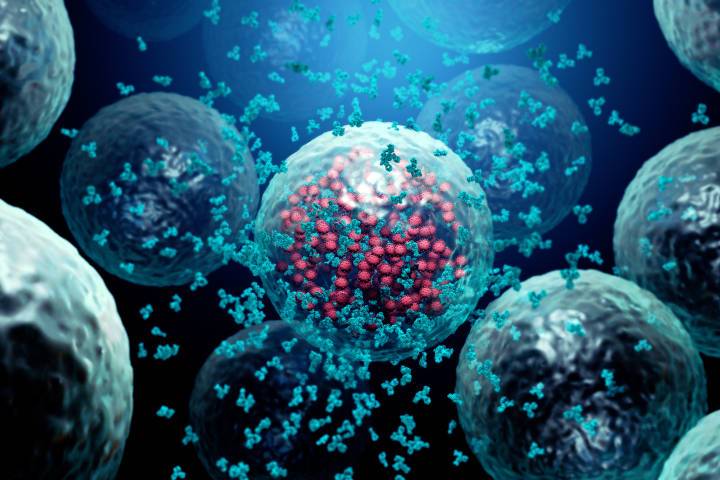
After antibodies identify the virus or other antigen, T cells destroy the infected cell to stop the pathogen from spreading.
B cells
These are cells that are also produced in the bone marrow and stay there to mature. They are activated by the T helper cells, and together these start to wage war on antigens.
When an antigen is detected and the B cells recognise it (either from having been infected with it before or from being vaccinated against it), they are stimulated to produce antibodies and alert the T cells to kill the pathogens. This is how the human body develops acquired immunity to a specific disease.
Cytokine
Derived from a combination of two Greek words: 'cyto' meaning cells and 'kinos' meaning movement, these are molecules which help with cell-to-cell communication.
They are known to modulate or alter the immune system response, and are important in regulating both the innate and adaptive immune systems.
Cytokine storm
This is an overreaction of your immune system to something it senses as threatening. It is caused when cytokines rampage through your bloodstream after being produced at a much higher rate than usual, which can lead to an uncontrolled inflammatory response and overstimulate the activity of other immune cells, including T cells.
A cytokine storm can be caused by disease or infection, including SARS-CoV-2, the virus that causes COVID-19.
What does a vaccine do to your immune system?
All vaccines contain a harmless form of the bacteria or virus that causes the disease you are being immunised against. This helps your immune system to develop disease-fighting antibodies.
For example, the coronavirus has a spiky protein on its surface that helps it to enter human cells, and the vaccines help you create antibodies that recognise this spike protein and help fight it off. If you have had the vaccine, you are less likely to get severely sick if you do become infected.
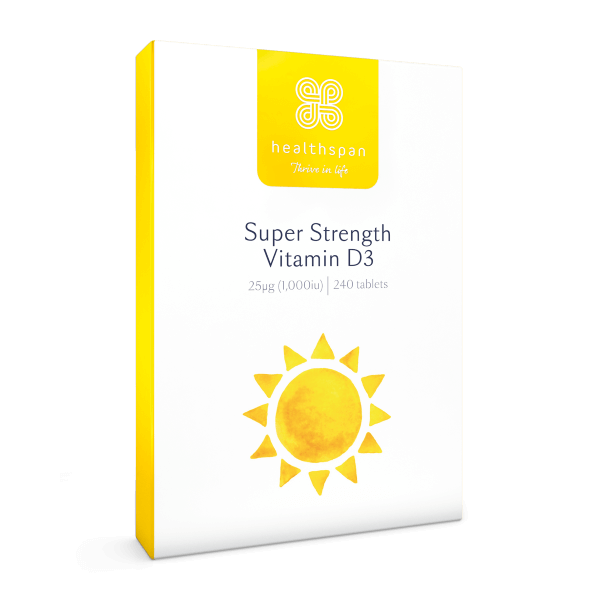
Super Strength Vitamin D3
For healthy bones, teeth, muscles and immunity
- 25µg vitamin D per tablet
- Helps keep bones, teeth and muscles healthy, and supports immunity
- Multiple health benefits from 5p a day
Tempting as the idea is, there is no one 'superfood', tonic or supplement that will magically 'boost' your immune system.
Rather, maintaining and keeping it balanced involves a bit of lifelong TLC. The below should help.
Sleep: recent research suggests that getting good-quality sleep can bolster infection-fighting T cells in the body. Regularly getting less than seven hours a night has been shown to have negative effects on immunity.
Diet: Following a healthy balanced diet and feeding the 'good bacteria' in your gut with prebiotic and probiotic foods should help to support good immunity.
Some plant-derived compounds are also currently being investigated to see if they have natural immunosuppressant properties, which could help calm a cytokine storm.
These include:
- Curcumin found in turmeric
- Allicin in garlic
- Gingerol in ginger
- Piperine in black pepper
- Quercetin from apples
- Resveratrol found in black grapes and blueberries
All these anti-inflammatory foods are a beneficial addition to any diet.
Stress management: When we are stressed, the immune system's ability to fight off antigens is reduced, making us more susceptible to infection.
People under chronic stress have also been shown to be more susceptible to viral illnesses like flu and the common cold.
Regular exercise: Regular moderate exercise is beneficial for immunity, and research shows that those who exercised for around 20 minutes a day, five or more days a week, reported 43 per cent fewer days off with upper respiratory symptoms than those who were sedentary.
Cut down on alcohol: Alcohol can interfere with sleep, healthy gut bacteria and generally diminish your ability to fight off infection. Aim to have at least three evenings a week where you don't drink, and try to stick to two to three drinks when you do.
Don't smoke: Smoking puts you at greater risk of a whole range of chronic diseases. Unsurprisingly, it doesn't do anything for your immune system either, and cigarette smoke has been shown to affect the ability of T cells.
Vitamin D: This is necessary for the proper functioning of the immune system, as it has both anti-inflammatory and immunoregulatory properties.
It has also been shown to enhance the function of the immune cells, including T cells. Low levels are associated with an increased susceptibility to disease and infection.
Supplements: The government recommends that we all take 10mcg of vitamin D from October to March, when we are unlikely to be getting enough naturally from exposure to sunlight.
Taking a good-quality multivitamin and mineral can also make up for any potential nutritional gaps in your diet.
Taking a probiotic supplement regularly can help improve the gut microbiome, which has been linked to improved immunity.
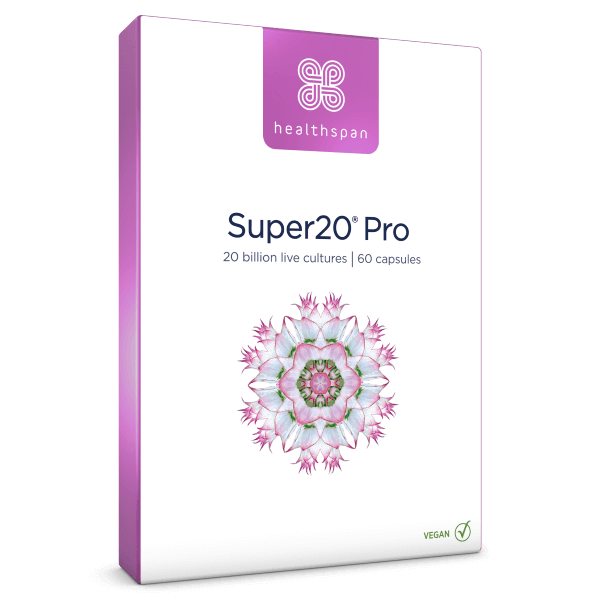
Super20 Pro
Our best-selling probiotic
- 20 billion live cultures from 5 well-researched strains
- Contains Lactobacillus acidophilus, Lactobacillus paracasei, Bifidobacterium lactis and Bifidobacterium bifidum
- Supports the protective intestinal microflora in the gut
