












Though it's gained somewhat of a bad image over recent years, inflammation is one of the most important processes when it comes to your immune health. It's an essential part of protecting the body from injury or illness and, in small doses, can speed up the healing process.
But if it continues to bubble away under the surface for numerous months or years, it can lead to more serious health consequences.
What is inflammation?
Inflammation is a physical reaction that occurs as a vital part of first-line defences. This process aims to remove whatever is causing irritation or harm - whether it is something microscopic, such as a virus or pollen, or something larger, like dirt in a scraped knee.
The purpose of inflammation is to begin the healing process. Blood vessels dilate to increase the supply of blood to the area, which brings in more nutrients and oxygen. Neutrophils and macrophages, which are types of scavenger white cells, are also attracted to the site of inflammation to consume and digest any microbes present.1 This dilation of blood vessels and the release of immune chemicals causes the classic symptoms of acute inflammation: redness, swelling, pain, increased temperature and loss of function (eg inability to bend a swollen joint).
However, when inflammation goes on for a longer period, it becomes chronic inflammation. This change is recognised by the types of immune cells present and an absence of the acute symptoms such as redness, swelling and pain. In some cases, chronic inflammation leads to a loss of healthy cells which are replaced with scar tissue (fibrosis). Low-grade, chronic inflammation is the greatest concern when it comes to long-term health and immunity, as it can lead to a range of chronic health conditions.2
Causes of inflammation
As inflammation is a normal process, many things can contribute to it, including illness, infection, stress and trauma. A number of factors also contribute to the more problematic chronic inflammation.
Lifestyle choices, for example, can influence inflammation. This includes things like drinking excess alcohol, smoking and taking certain medication, as these can all contribute to inflammation. For example, alcohol increases the burden on the liver, leading to increased oxidative stress to which the immune system responds by triggering inflammation.3
Injury is a common cause of acute inflammation and can lead to more chronic inflammation - especially if you don't take time to recover properly. Many illnesses also contain an inflammatory component, particularly if the immune system is involved.
A genetic component can also contribute to inflammation. Many genes are involved in the process of inflammation and some have been associated with either increasing or suppressing inflammation. While you cannot control which genes you have inherited, you can make dietary and lifestyle changes to minimise their impact.
Chronic inflammation can also lead to physical symptoms such as joint pain or stiffness, fever, headaches, fatigue and poor immunity.4
Inflammation and immunity
The immune system is responsible for the process of inflammation. When the immune system identifies damaged cells, irritants or any kind of pathogen (disease-causing organism) it mounts a response known as the inflammatory cascade.1
During this process, injured cells release chemicals such as histamine and prostaglandins that cause localised swelling. More blood is brought into the injured tissue, bringing vital healing nutrients and other factors such as platelets.3 The swelling also attracts white blood cells to the area to clear out whatever caused the injury. Once the clean-up has begun, more messenger chemical, or cytokines, are released to continue the immune response. Cytokines can stimulate the production of new white blood cells and even antibodies.
Other white blood cells also play a part in triggering inflammation. For example, some can induce inflammation when they react to a recognised pathogen.1
If your immune system is responding correctly, it's more likely you'll only experience acute inflammation in response to injury or illness. Once healing is complete, your body will return to an inflammation-free state. But an over-active immune system can lead to recurrent or progressive symptoms.
For example, if you have an underactive immune system, you are more prone to falling ill and take a long time to heal. This can result in a higher level of inflammation for a longer period of time, leading to chronic inflammation and an increased risk of associated diseases such as metabolic syndrome and coronary heart disease.5
On the other hand, an overactive immune system is a common issue with autoimmune conditions. With these conditions, inflammation can rise rapidly, particularly during a symptom flare-up. If you have an autoimmune condition, managing inflammation levels is essential for both minimising the risk of a flare-up and for reducing the risk of developing further disorders.6
How do you know if you have high inflammation?
If you have some contributing factors and symptoms of inflammation, your doctor may assess your level of inflammation with blood tests that measure your white blood cell count, ESR and CRP.
A white blood cell count looks at the levels of each type of white blood cell in your body as part of an FBC, or full blood count. An elevated white blood cell count (known as leucocytosis) is a sign of infection, but can also be an indication of inflammation.7
ESR, or erythrocyte sedimentation rate, measures how long it takes red blood cells to fall to the bottom of a test tube. If they fall quickly, it suggests a higher level of inflammation. This test is often used for diagnosing inflammatory conditions such as rheumatoid arthritis. But it is also useful, along with other tests, to confirm whether an infection is present.8
Finally, CRP, or C-reactive protein, is a sensitive test that can detect inflammation in the early stages. This protein is made by the liver and is usually the first piece of evidence that there is inflammation.
The concentration of CRP will increase in the blood within hours of an infection or injury, but levels will drop quite quickly once inflammation is resolved. This makes it a good snapshot of your current level of inflammation.9
Inflammation is only one aspect of the immune system, so if you're interested in learning more about how to keep your immune system healthy, select Immunity from the Your health menu above.
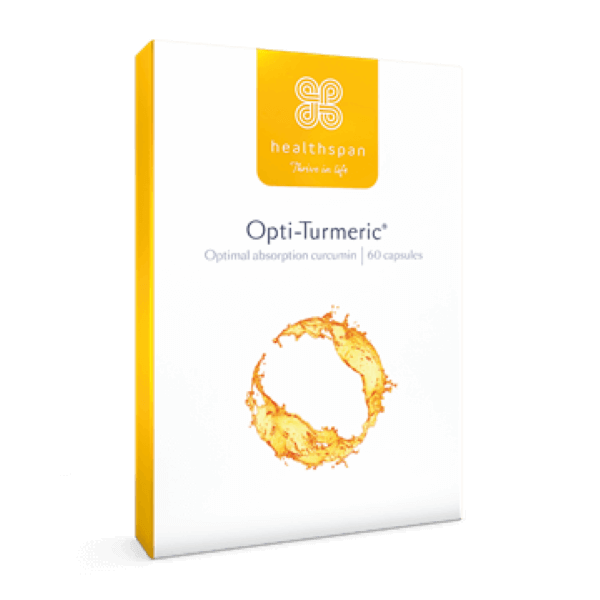
Opti-Turmeric
7 times faster-acting than standard turmeric
- Advanced liquid curcumin capsules
- Faster-acting and better absorbed than standard turmeric
- 500mg turmeric per capsule
