












The vegan diet is by definition restrictive, but can going plant-based lead to deficiencies in vitamins and minerals? Nutritionist Rob Hobson explores how to maintain nutrition levels on a vegan diet.
The vegan diet can be incredibly healthy, although the heavy restrictions on what you can eat may cause nutritional issues if meals are not well thought out. This diet is the strictest form of plant-based eating, which cuts out all foods of animal origin: meat, fish and dairy, and also certain types of alcohol and honey. The popularity of this diet has increased over the years, helped along by the Veganuary campaign.
A key part of going vegan is exploring lots of plant-based foods to ensure nutritional adequacy. Discovering new and interesting ways of flavouring and cooking these foods can help to ensure that dishes taste good and that mealtimes don't get repetitive.
What are the benefits of a vegan diet?
Research shows that non-meat-eaters have healthier lifestyles compared to those following a typical omnivorous diet. A positive association has been identified between meat-free eating and a lower incidence of obesity, heart disease, high blood pressure, type 2 diabetes and digestive disorders such as constipation.
Lifestyle does play a role, so simply going vegan does not prevent you from developing these conditions.
The benefits of vegan eating extend to the environment, as farming livestock can cause widespread environmental damage from methane gases and deforestation, water scarcity and land degradation. A varied vegan diet requires about one third of the land needed for conventional Western diets. These concerns are a key reason for many people making the switch to vegan eating.

Thinking of going vegan but worried about replacing your favourite foods? Check out Rob Hobson's top vegan food swaps.
Find out more
Common vegan nutrient deficiencies
As with any diet, following the basic principles of healthy eating is essential, and it's still possible to be an unhealthy, overweight vegan. Aside from this, if your meals are not well thought through, there remains the risk of having a low intake of vitamins and minerals, and an increased risk of deficiency.
Iron
Low iron is the most common nutritional deficiency, and women are at greater risk than men. In the UK, nearly a quarter of women have insufficient intakes of iron, which puts this group at particular risk of deficiency.
This mineral is required to make the red blood cells that carry oxygen around the body, and poor intakes can increase the risk of developing anaemia, but even subclinical deficiency can lead to similar symptoms such as tiredness, fatigue, low mood and anaemia. The type of iron found in meat is easily absorbed by the body and present in high amounts, but this is less the case in plant-based sources.
Vegans should incorporate plenty of iron-rich foods into their diet, such as pulses, nuts, seeds, fortified breakfast cereals, tofu, tempeh, dark green leafy vegetables, dried fruit, molasses, and dried spices.
The uptake of iron from plant foods can be increased by partnering those foods with a source of vitamin C, such as having fruit juice with your breakfast cereals. Avoiding tea with meals can also help, as tannins can interfere with the absorption of iron.
B12
This vitamin is involved in a number of processes in the body, including the conversion of food into energy, the manufacture of red blood cells, and maintaining a healthy nervous system. The symptoms of B12 deficiency are similar to iron, which means you may start to feel extremely tired and fatigued or out of breath.
Vitamin B12 is mostly found in foods of animal origin, so vegans must turn to fortified products to get what they need. Foods such as plant milks, breakfast cereals and yeast extract are fortified with B12, as well as other nutrients including calcium and vitamin D. Vegans may also want to consider taking a B12 supplement to ensure an adequate intake.
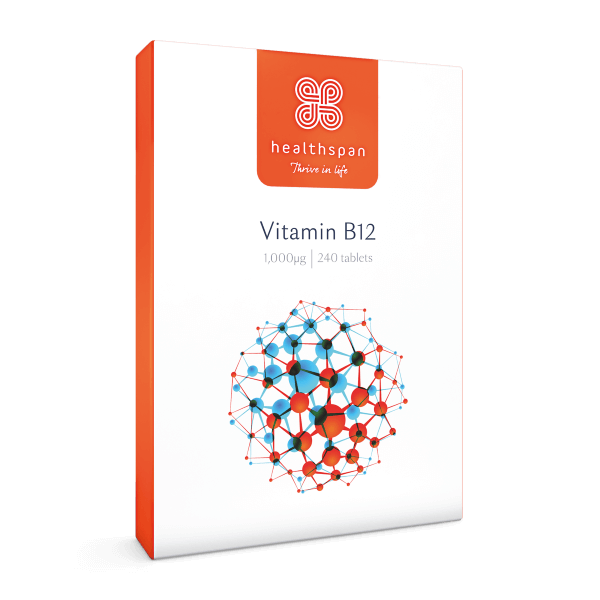
Vitamin B12
Vitamin B12 supplement for energy, immunity and a healthy nervous system
- Reduces tiredness and fatigue
- Supports your immune system
- Contributes to normal red blood cell formation
Calcium
Calcium is required for bones and teeth, and is involved in muscle and nerve function. Calcium is especially important for older females, as they can experience increased bone loss during the menopause, which may put them at risk of osteoporosis in later life.
There are plenty of ways for vegans to get calcium into their diet, and this includes foods such as tofu, almonds, dark green leafy vegetables, sesame seeds, tahini and fortified plant milks. To ensure you get enough calcium in your diet, try aiming for two or three servings of calcium-rich foods every day.
Zinc
Like calcium, this mineral is most abundant in dairy foods, and also eggs, which are off the menu for vegans. A low intake of zinc is of particular concern to men, as they require a higher amount of this mineral to maintain reproductive health.
Vegan foods rich in zinc include sourdough bread, cereal products, dark green leafy vegetables, pulses and seeds (especially pumpkin). Seeds can be sprinkled over dishes or eaten as a snack. It's easy to include dark green vegetables like kale in your dishes, and tasty kale chips can be made by slowly baking the leaves in the oven.
Omega 3
These fatty acids include eicosapentaenoic acid (EPA) and docosahexaenoic acid (DHA), which are found predominantly in oily fish. There is another omega 3 called alpha linolenic acid (ALA), and this can be found in dark green leafy vegetables, walnuts and chia seed oil.
ALA omega 3 can be converted to EPA and DHA, but the rate at which the body does this is poor. Vegans should include plenty of foods in their diet containing ALA, but may also want to take a supplement containing omega 3 from vegan sources.
Ensuring nutritional adequacy
Some nutrients are trickier to get from a vegan diet than an omnivorous one, but with careful planning there's no reason why you shouldn't be able to get all the nutrients you need. Food should always come first, but in some instances there may be a benefit to supplementing the diet; vegan versions of most essential vitamins, minerals and nutrients are available.
