



Nutritionist Riya Lakhani explores how to make sure you're getting all the nutrients you need for your growing baby when following a vegan diet.
Whether you've been vegan for many years, have only recently changed to a vegan diet, or you're simply contemplating being vegan, adding pregnancy to the equation can raise questions and concerns.
However, parents-to-be will be relieved to know that it's absolutely possible and perfectly safe to follow a vegan diet while pregnant – as long as you pay special attention to your meals to ensure you get enough of the nutrients needed for a healthy pregnancy.
To help, we've put together this easy-to-follow guide covering the key nutrients you need for a healthy pregnancy.
Top up your protein
Protein is especially essential to maintain good health. You need it to make hair, blood, tissue, antibodies and for hormone production. That's why including good sources of protein from foods such as tofu, lentils, nuts, seeds and quinoa will provide the body with the important building blocks required for the growth of the foetus and placenta. The recommended daily allowance for protein intake is 0.75g per kg of body weight per day over preconception.
However, your protein demands slightly increase over pregnancy to help with the various changes your body goes through to support the growth of your baby. To accommodate these changes, you should aim to get an additional 6g of protein per day over the 2nd and 3rd trimester and continue to consume the same amount of protein whilst breastfeeding, as protein is essential for the production of breast milk.
Monitor your fat intake
Fats are an important part of the diet, as they provide the body with energy and help carry fat-soluble vitamins (vitamins A, D, E and K) in the body. But fat also provides fuel and building material for the developing foetus. Focus on getting around 20-25% of your energy intake from omega 3 polyunsaturated fats over preconception and pregnancy.
You can find these fatty acids in soya, sunflower, sesame oils and nuts (especially walnuts). Limit your saturated fat content (found in processed foods containing coconuts, palm oil and cocoa butter) to less than 10% of your energy intake. The main source of omega 3 fatty acids remains oily fish, however, so consider an omega 3 supplement if you're concerned about your intake.
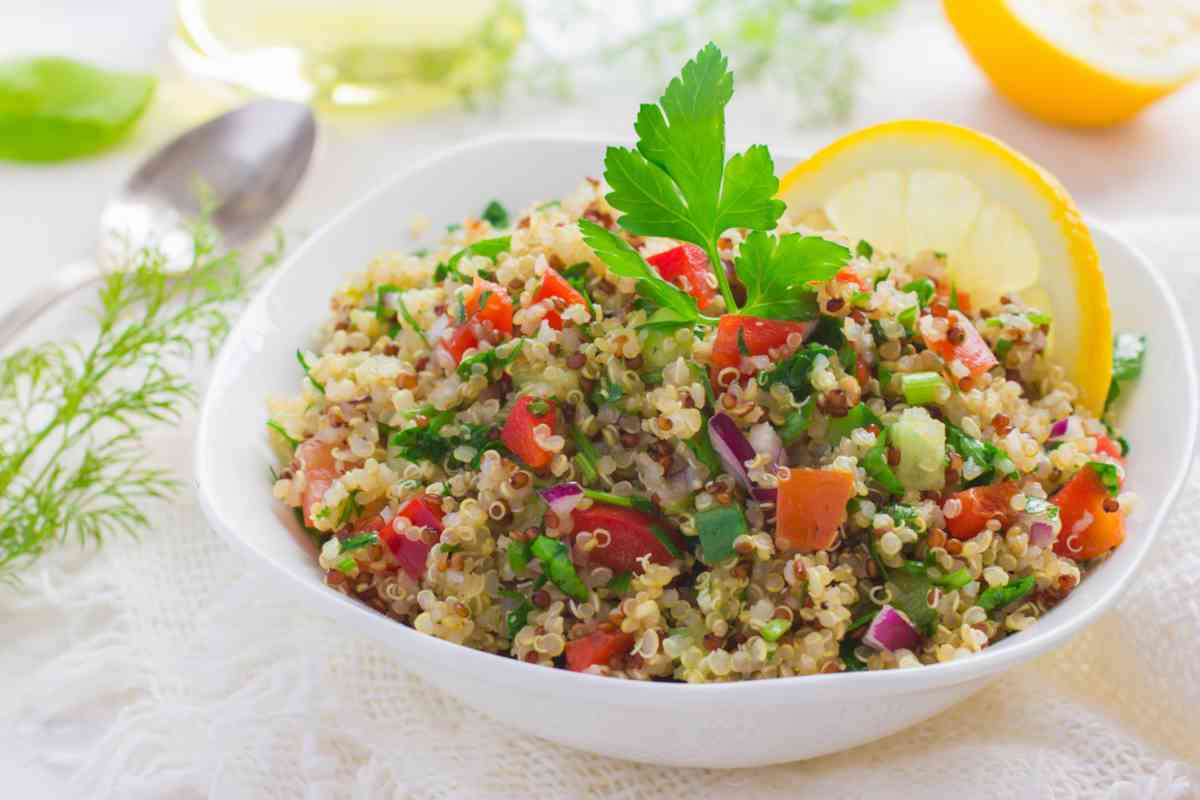
Protein needs increase as pregnancy progresses, and it's also important for breast milk. Quinoa is a good vegan source.
Calculate your calorie requirements
Your pregnancy calorie needs over trimester 1 and 2 will remain the same as your pre-pregnancy calorie requirements. This means there is no need to consume any extra calories over the 24-week period, and you should stick to consuming around the 2,000 daily calories recommended for women (you can calculate the exact number of calories required by using an online total daily energy expenditure calculator).
However, as the pregnancy progresses to the third trimester, your energy needs increase and your body will need an extra 200 calories per day. Although this might sound like a lot, 200 calories is equivalent to a banana, handful of nuts and a yogurt – it isn't actually that much extra food.
Get the right nutrients
In preparation for the physiological changes that pregnancy brings, vegan mothers-to-be should ensure they eat a variety of foods including fruits, vegetables, leafy greens, legumes, nuts and seeds in order to meet most nutrient needs. However, there are certain vitamins and minerals that you should be aware of as a vegan. Here are the ones you should focus on before and during pregnancy:
Iron
You probably know that iron is an important mineral to start thinking about when it comes to pregnancy. Iron is an important component of haemoglobin, which carries oxygen around the body in red blood cells. When women menstruate, there is naturally an increased need for iron intake due to the blood lost.
During pregnancy, the body increases its blood volume by up to 50% to supply the placenta and foetus, so the demand for iron increases dramatically.
You should aim to get at least 15mg of iron per day over the preconception stage, throughout pregnancy and when breastfeeding. This is simple to do when you include fortified breakfast cereals, soybeans, white beans, lentils and tofu in your diet – paired with a helpful dose of vitamin C to help its absorption.
Iodine
This mineral plays an important role during pregnancy, as it's involved in healthy cell division, cell metabolism, growth, development, and normal foetal brain development. For this reason it's important to ensure you have an adequate amount of iodine before you enter pregnancy.
The recommended allowance at the preconception stage, throughout and after pregnancy is 150mcg per day. Because the body cannot make its own iodine, it's important that we get enough iodine from the foods we eat.
Many people meet their iodine requirements from consuming milk and dairy products, and being vegan can put you at a higher risk of iodine deficiency. However, as a vegan, you can easily increase your iodine levels by consuming iodised salt in cooking and at the table.
You can also increase your iodine levels by eating potato skins, prunes and sea vegetables like kelp and nori. Vegans who do not regularly consume sea vegetables or iodised salt should consider taking a daily iodine supplement such as kelp extract, as this is the most reliable way to meet iodine needs.
Choline
During pregnancy, choline is vital for tissue expansion and has a protective role in the development of the foetal brain. Since our liver can only make a small amount of this nutrient, it's important to get choline from your diet to avoid a deficiency. One of the problem for vegans is that most sources of choline are found in meat and dairy products, so supplementation might be required.
However, you can still find a healthy amount of choline in nuts, soybeans, whole grains and cruciferous vegetables.
Vitamin D
Vitamin D helps calcium keep your bones and teeth healthy and strong, and deficiency in vitamin D during pregnancy can lead to deformed teeth and bones and other problems in newborns.
It can be challenging to get enough vitamin D from a vegan diet, since many of the foods containing the highest amounts of vitamin D, such as fish, eggs and liver, are far from suitable. The good news is that you can get your daily dose of vitamin D through sun exposure, fortified foods and plant-based milks, as well as mushrooms.
You could also consider taking a vitamin D supplement before and during pregnancy, to ensure you are getting at least the recommended 10mcg per day (400 IU).
Vitamin B12
Vegan diets are naturally devoid of vitamin B12, as this vitamin is made by micro-organisms and not by plants. In regard to pregnancy, low concentrations of vitamin B12 during the first trimester is a risk factor for neural tube defects. Low levels of vitamin B12 in your diet can also impact the nutrient quality of your breast milk and directly affect the amount your baby is getting.
That's why before conception, through pregnancy and when breastfeeding, it's essential to get at least 1.5mcg per day with a vitamin B12 supplement. Be sure to also include vitamin B12-fortified plant based foods (like cereals, vegan spreads and nutritional yeast flakes) and fortified plant based milks.
