










According to Ayurveda, pitta dosha combines the elements of fire and water and is traditionally associated with heat, intensity and transformation. Here's what Ayurvedic tradition says about the pitta body type, diet, personality, lifestyle and herbs.
🕒 7 min read
What is pitta dosha?
Ayurveda is an ancient Indian system of health that combines approaches to diet, lifestyle and wellbeing. Within Ayurveda, pitta is one of three doshas, alongside vata and kapha. Doshas are traditional Ayurvedic concepts rather than medically recognised body types or diagnostic categories.1
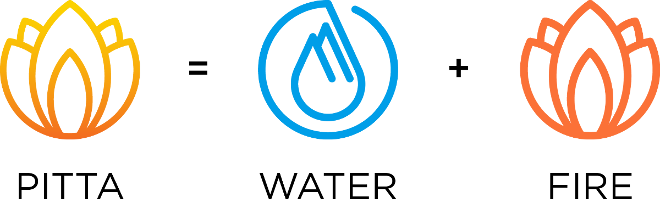
Pitta is traditionally associated with the elements of fire and water and is described as a fiery, intense dosha. It is associated in Ayurvedic teaching with transformation, digestion and metabolism.
New to Ayurveda? Read our guide to Ayurveda. Want to know which dosha you are? Take our dosha quiz.
Pitta dosha at a glance
- Elements: fire and water
- Traditional qualities: warm, intense, focused and driven
- Pitta body type: traditionally described as medium-built and well-proportioned
- Balance: Ayurveda emphasises moderation, regular routines, cooling foods and avoiding excessive heat
- Remember: dosha types are part of Ayurvedic tradition and should not be used to diagnose a medical condition
What is a pitta body type?
In traditional Ayurveda, a strongly pitta body type is often described as medium-built and well-proportioned. Classical descriptions also associate pitta with warm or sensitive skin and hair that may be fine or prone to greying.
Pittas are traditionally described as maintaining a fairly even weight without too much trouble. If they gain a few pounds, they may find it relatively easy to lose them again.
You're also traditionally described as someone who walks in a determined, strident manner, although you have medium strength and endurance and are naturally inclined towards a moderate lifestyle.
These are traditional Ayurvedic descriptions rather than medically validated characteristics, and most people will not fit neatly into one body type.
What is the pitta personality?
The picture of a balanced pitta in Ayurveda is someone who is warm, loving and content. To glow with happiness is considered 'very pitta'. You're also described as ambitious, sharp-witted and often outspoken.
You speak clearly and articulately, and are upset by irregularity in your routine. You live by your watch and resent having your time wasted. You may also find missed or late meals particularly frustrating.
With an innate desire to live an orderly and controlled life which you efficiently manage, being thrown off balance can, according to Ayurvedic teaching, bring out the more difficult sides of a pitta personality: demanding perfectionism, anger, irritability and impatience.
When pitta is described as being in excess, your naturally articulate tongue and sharp wit can also turn sour – leading to a cutting and abrasive manner. And your naturally good leadership qualities can become autocratic and alienating.
What does pitta imbalance mean in Ayurveda?
In Ayurvedic tradition, excess pitta is associated with too much 'heat' or intensity. This may be expressed in traditional descriptions as irritability, impatience, perfectionism or feeling particularly uncomfortable in hot weather.
The fiery, easily stressed and irritated side of pitta is sometimes compared with the classic type A personality in psychology: ambitious, highly organised and strongly focused on time and achievement. This is a useful description of the traditional pitta archetype, rather than a clinical personality assessment.
Ayurveda places particular emphasis on moderation for people described as pitta-dominant. Stress, overwork and an overly demanding routine are traditionally regarded as things that can disturb this balance.
Hot and humid summer weather is another traditional pitta stressor. Whatever your dosha, however, sunburn, dehydration and heat exhaustion are genuine health risks, so take appropriate precautions in hot weather.
Medical conditions such as eczema, acne, IBS or persistent digestive symptoms have many possible causes and should not be attributed to a dosha imbalance. Speak to an appropriate healthcare professional if you have persistent or concerning symptoms.
What should a pitta diet include?
According to Ayurveda, pitta types generally do best with a regular eating routine. Going without food does not traditionally suit pitta, so moderation and consistency are central to the Ayurvedic approach.
Traditional pitta diets favour fresh, relatively cooling foods such as salads, cucumber, coconut, coriander and fennel. Coffee, alcohol, chilli and very salty or sour foods are commonly limited within traditional pitta-balancing diets.
This is Ayurvedic dietary guidance rather than a treatment for digestive disease. If you have IBS, reflux or another diagnosed digestive condition, follow advice from your GP, dietitian or other qualified healthcare professional.
During warmer weather, Ayurvedic approaches traditionally place greater emphasis on cooling foods and drinks. Cucumber, mint, coriander, fennel and non-caffeinated drinks can all fit easily into a varied, balanced diet.

Opti-Turmeric®
Advanced liquid curcumin with vitamin C
- 500mg NovaSOL® curcumin per capsule
- 185 times better absorbed and 7 times faster acting than standard powdered turmeric
- 20mg vitamin C to support normal immune function and collagen formation for cartilage
- Suitable for vegans and vegetarians
Pitta and sleep
Ayurvedic descriptions traditionally associate balanced pitta with a fairly ordered sleep routine. When pitta is described as being out of balance, an active mind, stress and ambitious planning are said to make switching off more difficult.
Persistent insomnia can have many causes and should not simply be attributed to your dosha. If poor sleep is affecting your daily life, see our guide to dealing with insomnia and seek medical advice where appropriate.
For a pitta-style routine, Ayurveda traditionally recommends sleeping in a comfortable, cool room and sticking to regular bedtimes and waking times. This ties in well with the pitta preference for orderliness and routine.
How to balance pitta through lifestyle
Pittas do well when they spend time around nature – for example taking in a sunset, watching the full moon, and walking by lakes and rivers. Exercising outdoors is great if you're a pitta – you're naturally sporty and competitive, and, though you get bored easily, being in nice surroundings will help you stay engaged.
Ayurvedic teaching recommends avoiding excessive heat if you are pitta-dominant. From a general health perspective, it is also sensible for everyone to avoid strenuous exercise in extreme heat and to stay appropriately hydrated.
Which herbs are traditionally used for pitta?
"Pitta is balanced by sweet, bitter and astringent tastes, including the herbs fenugreek, cardamom, shatavari, turmeric, and fresh ginger (in moderation)," says Dr Prasanna Kerur, Ayurvedic physician at the Ayush Wellness Spa in Jersey. Boswellia is also traditionally used within Ayurveda for pitta.
Turmeric has a long history of use within Ayurveda. If you're interested in turmeric supplements, explore our turmeric range.
Traditional use of a herb does not necessarily mean that it has been clinically shown to treat a particular health condition. Herbal medicines and supplements can also interact with prescription medicines.2
Always seek medical advice before taking a herbal remedy or supplement if you have a known medical condition, are pregnant or breastfeeding, or are taking other medicines.
Frequently asked questions
What is pitta dosha?
Pitta is one of the three doshas in Ayurveda, alongside vata and kapha. It is traditionally associated with the elements of fire and water and with qualities such as heat, intensity, focus and transformation. Doshas are traditional Ayurvedic concepts rather than medical diagnoses.
What is a pitta body type?
Traditional Ayurveda describes a pitta body type as generally medium-built and well-proportioned, sometimes with warm or sensitive skin and fine hair. These are traditional descriptions rather than scientifically validated body-type classifications, and most people are considered a mixture of more than one dosha.
What are the signs of pitta imbalance?
In Ayurvedic tradition, excess pitta is associated with too much heat or intensity and may be described in terms such as irritability, impatience, perfectionism or discomfort in hot conditions. These descriptions should not be used to diagnose symptoms or health conditions.
What should a pitta eat?
Traditional pitta diets favour regular meals and relatively cooling foods such as cucumber, coconut, coriander, fennel, salads and other fresh foods. A balanced diet should still provide a broad range of foods and nutrients rather than being determined solely by a dosha type.
What foods should pitta avoid?
Ayurvedic tradition commonly advises pitta-dominant people to moderate foods considered particularly hot or stimulating, including chilli, very salty or sour foods, excess coffee and alcohol. This is traditional dietary guidance and is not a medical treatment plan.
How can I balance pitta?
According to Ayurveda, pitta balance is supported by moderation, regular routines, cooling foods, sufficient rest and avoiding excessive heat and stress. These practices can form part of a healthy lifestyle, but a dosha-balancing routine should not replace medical advice or treatment.
Is turmeric good for pitta?
Turmeric is traditionally used in Ayurveda and is included by Ayurvedic practitioners among herbs used in pitta-balancing approaches. This traditional use does not mean turmeric has been proven to treat a medical condition or a clinically measurable 'pitta imbalance'. If you take a turmeric supplement, follow the product directions and seek professional advice if you take medication.
Can you have more than one dosha?
Yes. According to Ayurveda, everybody is a combination of pitta, vata and kapha, although one or two doshas may be considered more dominant. You can explore the three traditional types with our Ayurveda dosha quiz.