










Britain, it seems, is tired. Statistics show as many as 16 million of us are suffering with sleeplessness and are becoming increasingly anxious about being sleep-deprived (generally taken to mean regularly getting less than six hours a night).
🕒 6 min read
It's not just that we feel grumpy and out of sorts after a run of late nights - research shows regularly not getting enough sleep can lead to an increased risk of health problems including type 2 diabetes, obesity, heart disease and even premature death. It can also impact negatively on mental health.2 While most of us try to catch up on it when we can, we tend not to think about how the stages of sleep we go through, if disrupted, can impact on our well-being and how tired we feel.
Natural rhythms
The basic human sleep cycle lasts on average 90-110 minutes with each stage lasting between five-15 minutes. In that time, we go through five stages (from lighter to deep sleep with each one lasting typically between five and 15 minutes) - the first four are non-rapid eye movement (NREM) and the fifth is the REM stage when most dreaming (or the dreams you remember) occurs. This is also the stage that is hardest to wake up from - babies are said to spend around half of their time in this stage, adults around 20% although as we get older we spend increasingly less time in REM sleep.
NREM sleep accounts for an average of around 70% of total sleep time but we need both NREM and REM sleep for good health. The growth hormone released during NREM sleep is vital for physical health whilst the increased blood flow to the brain during REM sleep is necessary for good mental health. A 2009 study reveals being woken suddenly from REM sleep can make you feel increasingly negative and anxious.3
Sleep tracking tech can help you work out if you are giving your body enough time to perform its restorative stages. It can also help rule out any potentially serious problems like sleep apnoea (a breathing condition leading to severely disrupted sleep and which doubles your chances of experiencing heart failure).4
A clean sleep
To help get your seven and a half hours of quality sleep (and five full sleep cycles) experts suggest we practice 'sleep hygiene' or 'clean sleeping' - basically focusing on changing 'bad' habits to encourage good sleep. These include:
- Going to bed and getting up at roughly the same time daily to establish your personal sleep-wake cycle
- Keeping your bedroom uncluttered and used only for sleep or sex
- Keeping your bedroom dark (the hormone melatonin which helps regulate your sleep and wake cycles is controlled by light exposure so too much light gets in the way of it doing its job) and not too hot or cold
- Avoiding high-intensity blue light (from phones and tablets) for at least an hour before bed which can disrupt your slow wave and REM dream sleep and keep these devices out of the bedroom
- Going easy on stimulants like caffeine and nicotine or other potential sleep saboteurs like alcohol or eating a heavy meal before bed
Dreamy sleep
For over half of us (according to The Sleep Council's Great British Bedtime Report from 2017) the one thing standing in the way of us getting a good night's sleep is stress - and increasingly research is focusing on how we address this. One solution is mindfulness meditation - which helps train your brain to move your thinking from worrying to a more laid-back state.
A Harvard trial involving the over 60s (the group most likely to experience sleep disturbances) showed those who did daily mindfulness meditation found it easier to get to sleep and stay asleep. There is also new evidence suggesting a prebiotic fibre called inulin (which encourages the good bacteria in the gut to flourish) can improve sleep by reducing stress.
It is thought that stress alters your gut bacteria and interferes with the sleep-wake cycle and the more prebiotic fibre in the diet (food sources include Jerusalem artichokes, asparagus, leeks and garlic) the more restorative sleep you experience. Almost everyone sleeps better after a bath too. Not only is bathing relaxing it also causes your body temperature to fall a few degrees triggering drowsiness. Add muscle-relaxing magnesium flakes and the soporific effect is increased.
There is also evidence to show waking often throughout the night is linked to magnesium deficiency so try to get enough in your diet too (good sources: pulses, brown rice, spinach, almonds) or take a supplement. And don't underestimate the power of regular exercise - a 2013 poll by the National Sleep Foundation found 83 per cent of people said it helped them to sleep better and for longer.5
Herbal help
There are also a whole range of herbal remedies to help the body relax and rest including valerian. One systematic review found this traditional herbal remedy increased the chance of improved sleep quality by 80 per cent compared to a placebo.6
Support your sleep and relaxation
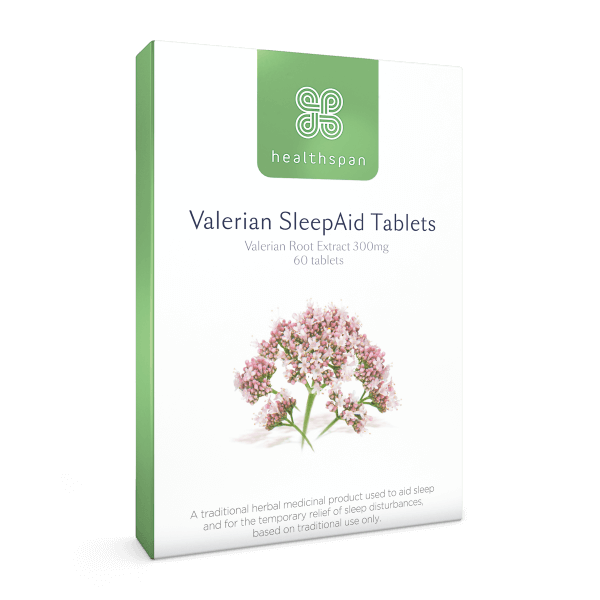
Valerian SleepAid
Traditional herbal remedy to support sleep | High-quality MHRA-regulated valerian extract
View product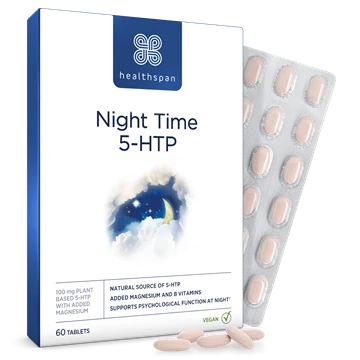
Night Time 5-HTP
100 mg plant-based 5-HTP with magnesium & B vitamins | Vegan night-time formula
View product
Magnesium Glycinate
Gentle bedtime magnesium | Up to 1,500 mg glycinate to support relaxation & reduce fatigue
View product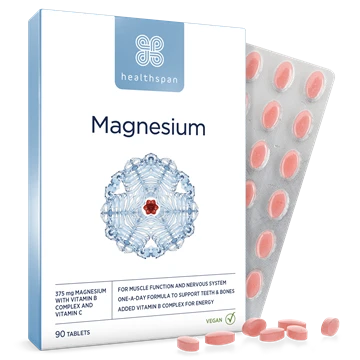
Magnesium 375mg
Daily magnesium for energy & muscle support | Ideal before bed with vitamin B complex
View product