









Many people suffer from insomnia, but worrying about it doesn't have to keep you up at night. Rob Hobson discusses the causes, symptoms and solutions for this common problem.
🕒 6 min read
What is insomnia?
We all struggle to sleep occasionally, but some people consistently have trouble initiating or maintaining sleep, with adverse effects on their daytime functioning.
It's recommended that we get eight hours sleep a night, although most people get around seven hours. However, The Sleep Council has shown that 33 per cent of people only manage to get five to six hours, while seven per cent get less than five hours of sleep a night.
In some cases, sleep deprivation may become habitual, which can make daily life a little more difficult to manage.
Breaking the cycle of poor sleep can be a real challenge, but it's important to address the issue, as during the night our bodies undergo regenerative processes that help with growth, repair and memory.
Insomnia refers to disturbed or chronic lack of sleep, which can leave you feeling tired and not refreshed the following day.
What are the symptoms of insomnia?
The symptoms of insomnia may include:
- Difficulty getting to sleep
- Regularly waking up during the night
- Waking up very early and being unable to get back to sleep
- Feeling tired even after waking up
- Difficulty napping during the day even though you feel very tired
- Feeling tired, irritable and in a low mood during the day
- Finding it difficult to focus, concentrate and retain information during the day

Symptoms of insomnia include finding it difficult to concentrate and retain information during the day.
Are there different types of insomnia?
There are several categories of insomnia, which are characterised by the period of time someone is having difficulty sleeping.
Transient insomnia lasts less than a week and is normally the result of issues around stress, bedroom environment, depression or even prescribed medicines.
Acute insomnia can last for up to a month and is normally in response to a particular situation that is causing stress or anxiety, such as exams, work deadlines or money worries. This type of insomnia normally passes once the stressful situation is resolved.
Chronic insomnia lasts longer than one month and can become a long-term issue. This type of insomnia is often associated with chronic medical, physical or mental disorders and is normally seen in people with an underlying risk of insomnia.
What causes insomnia?
There are many reasons why someone might be having difficulty sleeping, but the most common are:
- Stress, anxiety and depression
- A sleep environment which is too hot, cold or noisy
- An uncomfortable bed
- Alcohol, caffeine or nicotine
- Recreational drug use
- Shift work
- Jet lag
- Prescribed medications (side effects)
- Illness or medical condition (menopause can cause night sweats)
How is it diagnosed?
A sleep assessment will help to establish any underlying problems that may be causing your sleep deprivation, and this will involve you answering questions about your lifestyle and medical history.
Sleep disorders including insomnia can also be diagnosed by a polysomnogram, which is a set of recordings taken while you sleep and includes brain wave changes, eye movements, breathing rate, heart rate and blood pressure.
How can you treat insomnia?
There are several approaches you can take to address insomnia, which include improving sleep hygiene, cognitive behavioural therapy (CBT) and over-the-counter sleep aids and supplements.
Sleep hygiene
This is about developing a ritual and creating a sleep environment that’s personal to you. You can think of sleep hygiene by way of the acronym BED, which stands for behaviour, environment and diet.
Behaviour includes switching off all electrical equipment before bed (blue light disrupts the sleep cycle) or taking a bath at least an hour before you hit the hay.
Environment is all about your bedroom, so keep it cool, dark and free of clutter, while also investing in hypoallergenic bedding and a good mattress.
Diet is about avoiding foods and drinks that keep you awake, such as coffee and alcohol, as well as very rich or spicy foods that can cause heartburn.
Choosing foods rich in tryptophan (beans, pulses, oats, poultry) may also help, as this amino acid is involved in the production of melatonin (the sleep hormone). Combine these foods with carbohydrates (rice, pasta, potatoes) to increase the uptake of tryptophan.

Late-night exposure to blue light from mobile phones or laptops can disturb the sleep cycle.
Cognitive behavioural therapy (CBT)
You may be advised to seek CBT to help with insomnia, as it helps to relieve anxiety about not getting enough sleep. This therapy teaches you how to change your negative thoughts and beliefs around sleep into positive thoughts and images. Online CBT sessions have been shown to be helpful if you don't have access to a healthcare professional.
Cognitive behavioural therapy may include stimulus control, sleep restriction and relaxation therapy. Stimulus control is intended to help you to connect bedtime solely with sleeping, rather than with anxieties that may develop as you worry you will have another sleepless night.
Sleep restriction involves decreasing the amount of time you spend in bed sleeping to help you to fall asleep the following evening.
Relaxation therapy often uses guided imagery and meditation to help relieve muscle tension and stress, as well as to lower blood pressure, and can be a useful therapy technique for those who experience pain that prevents them from sleeping.
Supplements can help
There are many sleep aids available from your local pharmacy, and they normally contain herbal blends. Herbal blends often include ingredients such as valerian, hops, lime leaf and passionflower.
Valerian is a traditional herbal remedy often used for the relief of sleep disturbances caused by mild anxiety. 5-HTP is also important, as it is involved in the production of serotonin, a neurotransmitter that is involved in many functions in the body, including appetite, mood and sleep.
Insomnia can seriously impact quality of life, and while it can be difficult to break the cycle of sleep deprivation, exploring the different techniques and supplements available is a great place to start.
Support your sleep and relaxation
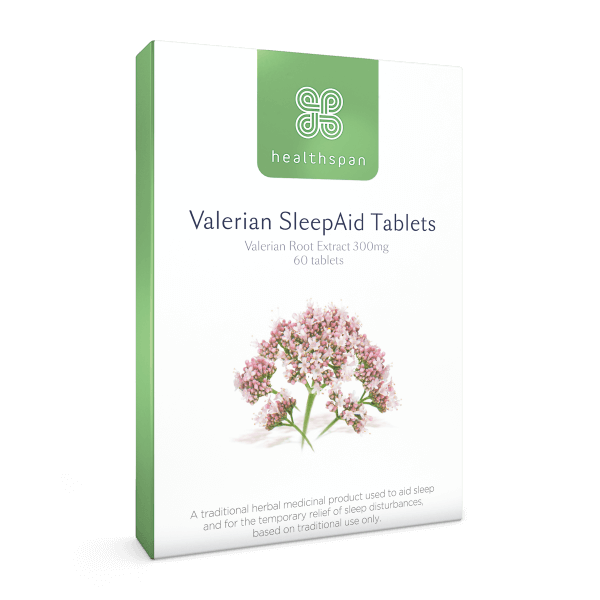
Valerian SleepAid
Traditional herbal remedy to support sleep | High-quality MHRA-regulated valerian extract
View product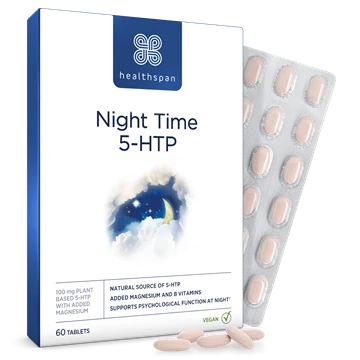
Night Time 5-HTP
100 mg plant-based 5-HTP with magnesium & B vitamins | Vegan night-time formula
View product
Magnesium Glycinate
Gentle bedtime magnesium | Up to 1,500 mg glycinate to support relaxation & reduce fatigue
View product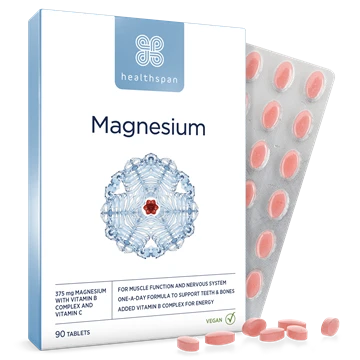
Magnesium 375mg
Daily magnesium for energy & muscle support | Ideal before bed with vitamin B complex
View product