



Magnesium has many important health benefits and supports a range of bodily functions. There are several different variations, including magnesium glycinate and magnesium citrate. This article outlines the differences between the two, covering their uses and benefits to help you decide which suits you best based on your health goals.
To learn more about why magnesium matters, read: Energy, muscles, bones and teeth: why you need magnesium.
🕒 7 min read
Magnesium glycinate vs. magnesium citrate: which is right for you?
What is magnesium glycinate?
Magnesium glycinate is magnesium bound to the amino acid glycine. It’s often chosen by people who want a form of magnesium that fits well into an evening routine, particularly if they’re focused on sleep, relaxation or overall wellbeing.
Some people also choose magnesium glycinate to support mood and mental performance, and it’s frequently discussed in relation to calm and relaxation. For further reference, see: PubChem: magnesium glycinate.
You can browse the full magnesium range here: Magnesium supplements.
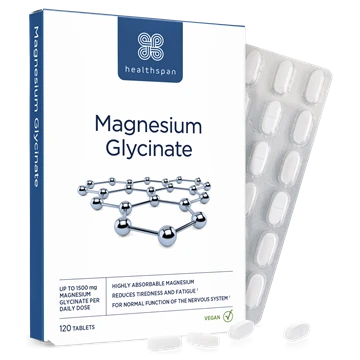
Magnesium Glycinate
Unwind at bedtime | Best taken before bedtime
- Reduces tiredness & fatigue
- Supports normal psychological function and the nervous system
- Often chosen for sleep and relaxation routines
- Part of our magnesium range
What is magnesium citrate?
Magnesium citrate is magnesium bound to citric acid. It’s commonly used to help boost overall magnesium intake and may be particularly relevant for people focused on digestion, muscle function and bone health.
As with all forms of magnesium, your experience can depend on your diet, lifestyle and baseline magnesium levels. Explore the full magnesium category here: Magnesium supplements.
If you want a magnesium product designed for optimal absorption, our Opti−Magnesium® combines highly absorbable forms of magnesium and includes added vitamin D3 and inulin fibre.
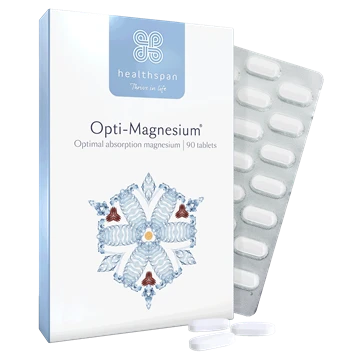
Opti−Magnesium®
Highly absorbable | 375 mg magnesium per daily dose
- Highly absorbable
- 375 mg magnesium per daily dose
- For bone and muscle support
- Maintains psychological function and nervous system
- Added vitamin D3 and inulin fibre
What are the differences between magnesium glycinate and magnesium citrate?
Both supplements provide magnesium, but they’re bound to different compounds (glycine vs citric acid). That difference can influence why people choose one over the other. Below is a practical comparison, including common uses and potential side effects.
| Comparison | Magnesium glycinate | Magnesium citrate |
|---|---|---|
| What it is | Magnesium bound to glycine (an amino acid). | Magnesium bound to citric acid. |
| Most associated goals |
|
|
| Potential downsides |
|
|
| Useful Healthspan categories | Sleep | Digestion |
| Related wellbeing areas | Cholesterol & heart | Joints & bones |
How to choose the right type of magnesium for your health goals
A good starting point is to match the form to what you’re trying to support. If digestion is your priority, magnesium citrate may be the better fit. If your focus is sleep, relaxation or mood support, magnesium glycinate is often the more relevant choice.
The best type of magnesium for digestion
Magnesium citrate is a popular option for people who experience constipation because it’s commonly used to support digestive function. If this is your main goal, you may also want to browse: Digestion.
For background reading, see: Medical News Today: magnesium citrate.
The best type of magnesium for sleep and relaxation
Magnesium glycinate is often recommended for sleep and relaxation because it’s widely considered easy to tolerate and is commonly used as part of an evening routine. You can also explore: Sleep and our guide Magnesium for sleep.
For research context, see: PubMed: magnesium and sleep.
It’s important not to exceed the recommended intake. Excessive amounts of magnesium can be harmful — if you believe you have consumed more than the advised amount, seek advice from a healthcare professional. Also consider your total intake from diet and supplements combined. Magnesium-rich foods include leafy greens, nuts and seeds, legumes, wholegrains and dark chocolate. Too much magnesium at once may cause gastrointestinal discomfort.
For more reading on glycine and sleep, see: Sleep Foundation: glycine for sleep.
Magnesium glycinate vs citrate: a quick recap
If you’re deciding which is better — magnesium citrate or magnesium glycinate — it comes down to your goals. Magnesium glycinate is often preferred for relaxation, mood and sleep routines, while magnesium citrate is commonly chosen for digestive support and topping up overall magnesium intake.
For more helpful reading, you may also like: How to stop leg cramps.
Explore our magnesium range
Magnesium Glycinate
Best taken before bedtime | Often chosen for sleep and relaxation routines.
View productOpti−Magnesium®
Highly absorbable | 375 mg magnesium per daily dose with vitamin D3 and inulin fibre.
View product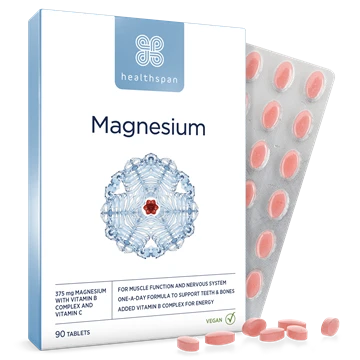
Magnesium 375mg
Everyday support for muscles and nervous system | Added Vitamin B complex.
View product