











We've all experienced slightly achy, stiff joints first thing in the morning, after exercising or sitting in one position for too long. While these minor discomforts are common, most of us don't give much thought to the various joint pain causes and the overall health of our joints.
🕒 6 min read
Arthritis affects nine million people in the UK, according to the British Pain Society. This data also reveals that chronic (long-term) pain affects a staggering 28 million adults. This figure is expected to rise with an increasingly ageing population. And although some of the things that trigger the accompanying pain are easy to pinpoint, others might surprise you. Did you know that every part of a joint is living tissue? This means our joint health can be influenced by various factors, inside and outside the body.
What are the surprising causes of joint pain?
Joint pain can be caused by surprising factors, beyond the typical arthritis and age. Dr Trisha Macnair delves into some expected causes:
1. Stress
Your mood and stress levels can affect both your pain threshold and how you perceive discomfort. Additionally, studies now show that they can affect not just how you cope with arthritis, but can make pain worse.
JOINT SOLUTION: Dealing with stress, anxiety, or low mood can help to melt away joint aches. Making sure you get enough sleep each night should be one of your main goals, while managing your time well, and not stressing over the small stuff, can help, too.
Research also shows that meditation and therapies such as acupuncture and cognitive behavioural therapy can change the way you think about pain.
2. Sitting for too long
We tend to become less active with age, which can result in stiffness and degeneration of the soft tissues. As a result, when you try to use your joints, they are uncomfortable and painful afterwards, and the less you feel like exercise.
JOINT SOLUTION: Research shows that keeping joints on the move is one of the best ways to ease any discomfort, while daily activity that puts each joint through its full range of motion is vital to keep them working effectively. Regular activity also helps to strengthen the muscles and ligaments that support and protect your joints.
Avoid intense weight-bearing activities, such as running, that can damage the joints, and instead follow a routine that involves a combination of gentle stretching (to warm up), some short bursts of high-intensity action, longer periods of varied activity, and a relaxing cool down. You may find you ache afterwards, but this should settle.
Note: always get more persistent pains checked out by your GP.
3. Menopause
Women often start to notice joint aches and pains around the time of menopause. The reason? Estrogen is important for keeping tissues healthy and maintaining the flexibility of the ligaments that stabilise joints.
As estrogen levels fall at this time, joints may become stiffer and weaker, while cartilage thins and bones lose their density. This can interfere with the working of the joint, putting strains on the tissues and causing pain. These aches may be temporary as the joint gradually adapts to changes elsewhere in the body, but there may also be more chronic deterioration over time.
JOINT SOLUTION: Some research suggests that estrogen replacement therapy or HRT may help to slow this decline.
4. Weight gain
Being overweight or obese is a major contributor to the development and progression of arthritis. Why? The pressure in the knee joints when walking is five to six times your body weight, so even a few extra pounds can have an adverse effect.
JOINT SOLUTION: To keep your weight stable, eat a healthy diet, which includes plenty of fresh fruit and vegetables, whole grains, low-fat dairy products and lean protein such as poultry, fish and pulses. It's also a good idea to reduce your portion size. Vegetables should make up the biggest portion of your plate.
Go easy on foods containing saturated animal fats, such as red and processed meats, and full-fat dairy foods, and steer clear of sugary and fatty foods such as cakes, biscuits and pastries, all of which cause inflammation.
5. Vitamin D deficiency
Vitamin D contributes to normal bones and normal muscle function. Along with calcium, it also helps reduce bone mineral loss in post-menopausal women, who are at the highest risk of osteoporosis.
Unfortunately, deficiency is widespread, because our skin can only produce vitamin D when the UV index is greater than 3. In the UK this means that between October and April, the sunshine is not strong enough.
In addition, over the age of 50, the body's ability to synthesise vitamin D3 reduces, falling by at least half between the ages of 20 and 80 years of age.
JOINT SOLUTION: Dietary sources of vitamin D (liver, oily fish and eggs) are few and far between and often contain insufficient amounts, so the National Institute for Health and Care Excellence (NICE) recommends everyone in the general population aged 4 years and older take at least 10mcg of vitamin D a day.
The D3 form is the body-ready form and is thought to be at least twice as effective at maintaining vitamin D levels than vitamin D2.
The European Food Safety Authority has suggested a tolerable upper safe level for long-term use of supplements to be 100mcg.
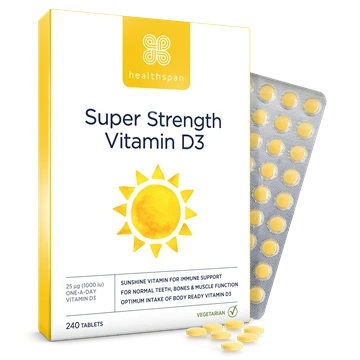
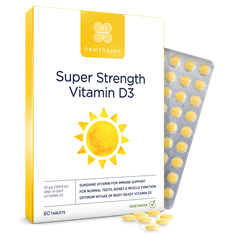
Super Strength Vitamin D3
For a healthy immune system
- 25 micrograms vitamin D3
- Supports muscle function, bones and teeth
- One-a-day, easy to swallow tablets
6. Gluten intolerance
Some people with arthritis find their symptoms are sensitive to gluten (found in wheat, barley, and rye) or casein (found in dairy products).
JOINT SOLUTION: Temporarily eliminating these food groups from your diet, one at a time, may help relieve symptoms. If you experience relief, consider seeking nutritional advice before making long-term dietary changes.
Supplements for joint pain
When it comes to managing your joint pain, you don’t have to suffer. There are various supplements available to help.
Glucosamine and Chondroitin
Glucosamine and Chondroitin are two of the most commonly used supplements for joint pain. Both supplements support the health of cartilage. Find out more with our Glucosamine Guide.
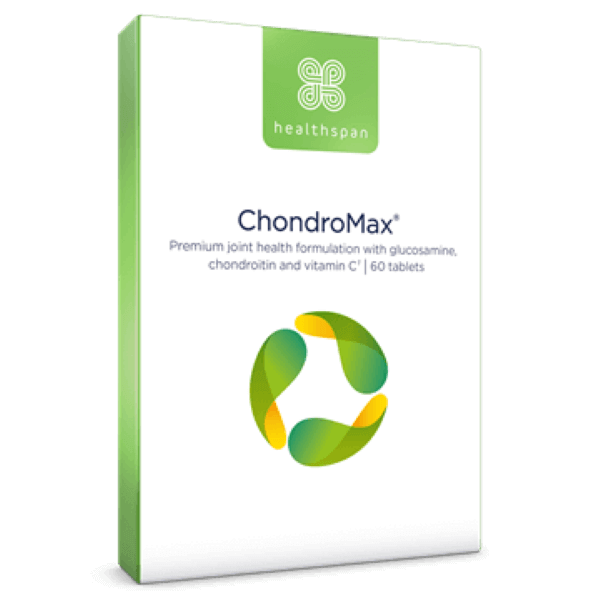
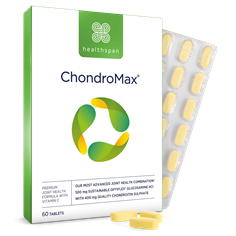
ChondroMax® Advanced Joint Support
No. 1 best-selling glucosamine and chondroitin
- Max Strength 1800 mg daily dose
- 80% of people saw reduced joint discomfort after one month
- Vitamin C to support joint cartilage
Fish oil
The fatty acids found in fish like Omega 3 contain anti-inflammatory qualities, which can help reduce swelling and stiffness. Discover more and read our Omega-3 nutrient guide.
Treat your joint pain quickly
If you're suffering with persistently painful joints, you need to see your GP. As joint pain is an infuriatingly vague symptom, go armed with a detailed record of your symptoms logging where the pain is, when it is worse (first thing in the morning? After eating certain foods or drinks? After exercise?), what it feels like (dull and achy or hot and intense? Does it feel like your bones are grating against each other etc? Does it get better after rest? Is there any activity the pain/stiffness prevents you from doing?) Let your doctor know if there is a history of joint problems like OA, RA or gout in your family or whether you have injured an affected joint in the past.
Based on your symptoms your doctor can advise how to proceed, in the short-term possibly prescribing painkilling anti-inflammatory medication but potentially following up with blood tests and, if necessary, further investigations such as an X-ray or MRI scan. If you are diagnosed with a joint condition, then the earlier the diagnosis is made, the better protected you are from ongoing pain and chronic inflammation if it is left untreated.
Joint pain remedies
Aim to get enough sleep (regularly getting under six hours is defined as sleep deprivation), while regular exercise helps to promote sleep, another tip is to soak in a bath containing muscle-relaxing magnesium flakes which aids muscle relaxation and improved sleep.
Ultimately, looking after yourself and taking steps to protect your body from inflammation should help you on your way to a life with fewer aches and pains.
If you're interested in learning more about how to keep your joints healthy, browse our Joints & Bones supplements.
Top ↑