












Can dogs eat BBQ food? Some plainly cooked meats, vegetables and fruits can be offered as occasional treats, but many barbecue favourites contain ingredients that could make dogs and cats seriously unwell.
🕒 6 min read
Summer barbecues, garden parties and family celebrations often mean plenty of food, people and tempting smells. For our pets, this can also mean more opportunities to beg at the table, investigate unattended plates or pick up food that has fallen onto the ground.
Although it can be enjoyable to include your dog or cat in the occasion, food from the barbecue should never replace their normal balanced diet. Any extra food should be plain, thoroughly cooked, free from bones and served in small portions.
Can dogs eat BBQ food?
Dogs can eat small amounts of certain barbecue foods, provided they are cooked thoroughly and served plain. Suitable choices may include unseasoned chicken, turkey, lean beef, fish and selected vegetables.
However, much of the food normally served at a barbecue is unsuitable for pets. Burgers, sausages, kebabs, sauces and marinades may contain large amounts of fat, salt, onion, garlic, spices or sweeteners. Cooked bones and wooden skewers also present serious hazards.
The safest approach is to prepare a small portion for your pet before seasoning or marinating the rest of the food. Allow it to cool, remove all bones and cut it into pieces appropriate for the size of your pet.
Which BBQ foods are safer for dogs and cats?
The following foods may be suitable as occasional treats when they are served plain, fully cooked and in small quantities:
- Skinless chicken with all bones removed
- Plain turkey with no stuffing, gravy or seasoning
- Lean beef without sauces or marinades
- Salmon or white fish with the skin and bones removed
- Fully cooked egg without butter, salt or oil
- Cooked carrots
- Plain green beans
- Plain pumpkin or sweet potato
Dogs may also enjoy small pieces of certain fruits, including blueberries, seedless watermelon with the rind removed and apple without its core or seeds.
Cats are obligate carnivores, which means their nutritional needs are centred around animal protein. A few pieces of plain cooked chicken, turkey or fish will generally be more appropriate for a cat than fruit or vegetables.
Keep portions small
Even foods that are not toxic can cause vomiting, diarrhoea or abdominal discomfort when introduced suddenly or fed in large quantities. Treats and table food should make up only a small part of your pet's overall diet.
Pets with allergies, pancreatitis, diabetes, kidney disease or a prescribed veterinary diet may need to avoid foods that would otherwise be considered suitable. Ask your vet before introducing anything new if your pet has an existing health condition.
Frozen peanut butter and banana dog treat
A homemade frozen treat can help your dog feel included while everyone else enjoys an ice lolly. This simple recipe can be prepared in a silicone mould or ice cube tray.
Ingredients
- One ripe banana
- A small spoonful of dog-safe peanut butter
- A little plain natural yoghurt, provided your dog tolerates dairy
Check the peanut butter carefully to make sure it does not contain xylitol, which is highly toxic to dogs.
Method
- Mash the banana until smooth.
- Mix in the peanut butter.
- Add enough yoghurt to create a spoonable mixture.
- Divide the mixture between small moulds or an ice cube tray.
- Freeze until completely solid.
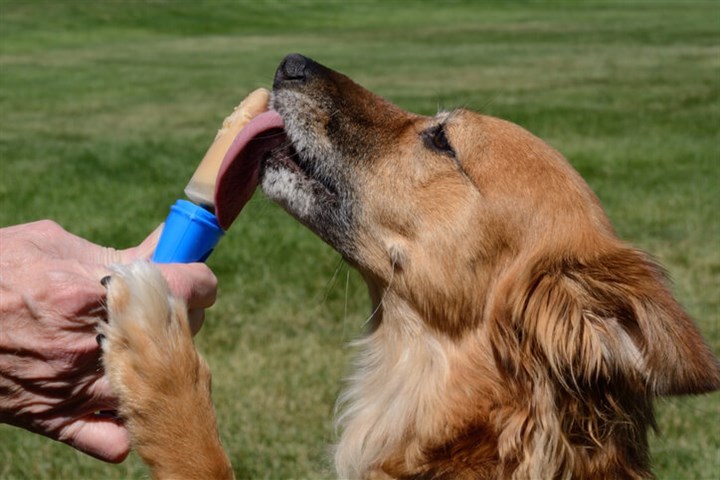
Choose a portion suitable for your dog's size and supervise them while they eat it. Frozen treats should be offered occasionally rather than as a regular replacement for their normal food.
Which BBQ foods should dogs and cats avoid?
Some everyday ingredients are dangerous to pets, while other foods can cause problems because they are fatty, salty, heavily seasoned or difficult to digest.
Onions, garlic, leeks and chives
Members of the allium family can damage red blood cells in dogs and cats. They remain unsafe when raw, cooked, dried or powdered, which means they may be hidden in burgers, sausages, stuffing, sauces, seasoning blends and marinades.
Cooked bones
Cooked chicken, turkey, pork and rib bones can become brittle and splinter. They may injure the mouth or throat, become lodged in the digestive tract or cause an internal blockage.
Dispose of bones promptly in a secure bin that your pet cannot access.
Wooden skewers and corn cobs
Wooden kebab skewers can puncture the mouth or digestive tract if swallowed. Corn itself is not generally toxic to dogs when served plain, but the cob can become lodged in the intestines and cause a life-threatening obstruction.
Sausages, burgers and fatty meat
Processed and fatty meats may contain high levels of salt, fat and seasoning. Eating a large quantity can cause digestive upset and may contribute to pancreatitis, particularly in susceptible dogs.
Marinades, sauces and gravy
Barbecue sauce, ketchup, mustard, gravy and marinades may contain onion, garlic, sugar, salt, chilli, alcohol or sweeteners. Give your pet meat before any sauce or seasoning has been added.
Chocolate
Chocolate contains theobromine and caffeine, which dogs and cats cannot process as efficiently as people. Dark chocolate and cocoa products usually contain higher concentrations, but any suspected chocolate ingestion should be discussed with a vet.
Grapes, raisins, currants and sultanas
Grapes and dried vine fruits can cause sudden kidney damage in dogs. There is no reliably safe quantity, so keep fruit salads, cakes, buns and snack bowls containing them out of reach.
Xylitol
Xylitol is a sweetener used in some sugar-free chewing gums, sweets, baked products and peanut butters. It can cause a rapid and dangerous fall in a dog's blood sugar and may also result in liver damage.
Alcohol
Alcohol can be dangerous to dogs and cats, even in relatively small amounts. Keep drinks off the ground and clean up spills promptly. Remember that alcohol may also be present in desserts, sauces and uncooked marinades.
Avocado
Avocado flesh is high in fat and may cause digestive upset, while the large stone presents a choking and obstruction risk. Guacamole may also contain onion, garlic, salt and chilli.
Contact your vet immediately rather than waiting for symptoms. Tell them what your pet ate, approximately how much was consumed and when it happened. Keep any packaging, labels or ingredient lists to help the vet assess the risk.
Do not try to make your pet vomit unless a vet specifically instructs you to do so.
How can you keep your pet safe at a barbecue?
Food is not the only potential hazard at an outdoor celebration. A busy environment, hot cooking equipment and unfamiliar visitors can also create risks.
- Keep pets away from hot barbecues, fire pits and cooking equipment
- Do not leave plates, drinks, rubbish bags or serving dishes within reach
- Dispose of bones, skewers, foil and food packaging in a secure bin
- Ask guests not to feed your pet without checking with you first
- Provide constant access to fresh drinking water
- Make sure your pet has a cool, shaded place to rest
- Keep gates and doors secure when guests arrive and leave
- Give nervous pets access to a quiet room away from noise and crowds
Watch for signs of overheating
Dogs can become dangerously hot in warm weather, particularly flat-faced breeds, older dogs, overweight pets and those with heart or breathing problems.
Move your pet somewhere cool and contact a vet urgently if they show signs such as excessive panting, drooling, weakness, confusion, vomiting, collapse or difficulty breathing.
How can you support your pet's digestion after a celebration?
The best way to protect your pet's digestion is to keep their usual food and routine as consistent as possible. Avoid allowing different guests to give repeated treats, as small portions can quickly add up.
If your pet develops vomiting, diarrhoea, abdominal pain, loss of appetite or unusual tiredness, contact your vet for advice. Symptoms that are severe, persistent, accompanied by blood or affecting a young, elderly or medically vulnerable pet should be assessed promptly.
For more information, read our guide to diarrhoea, constipation and vomiting in pets.
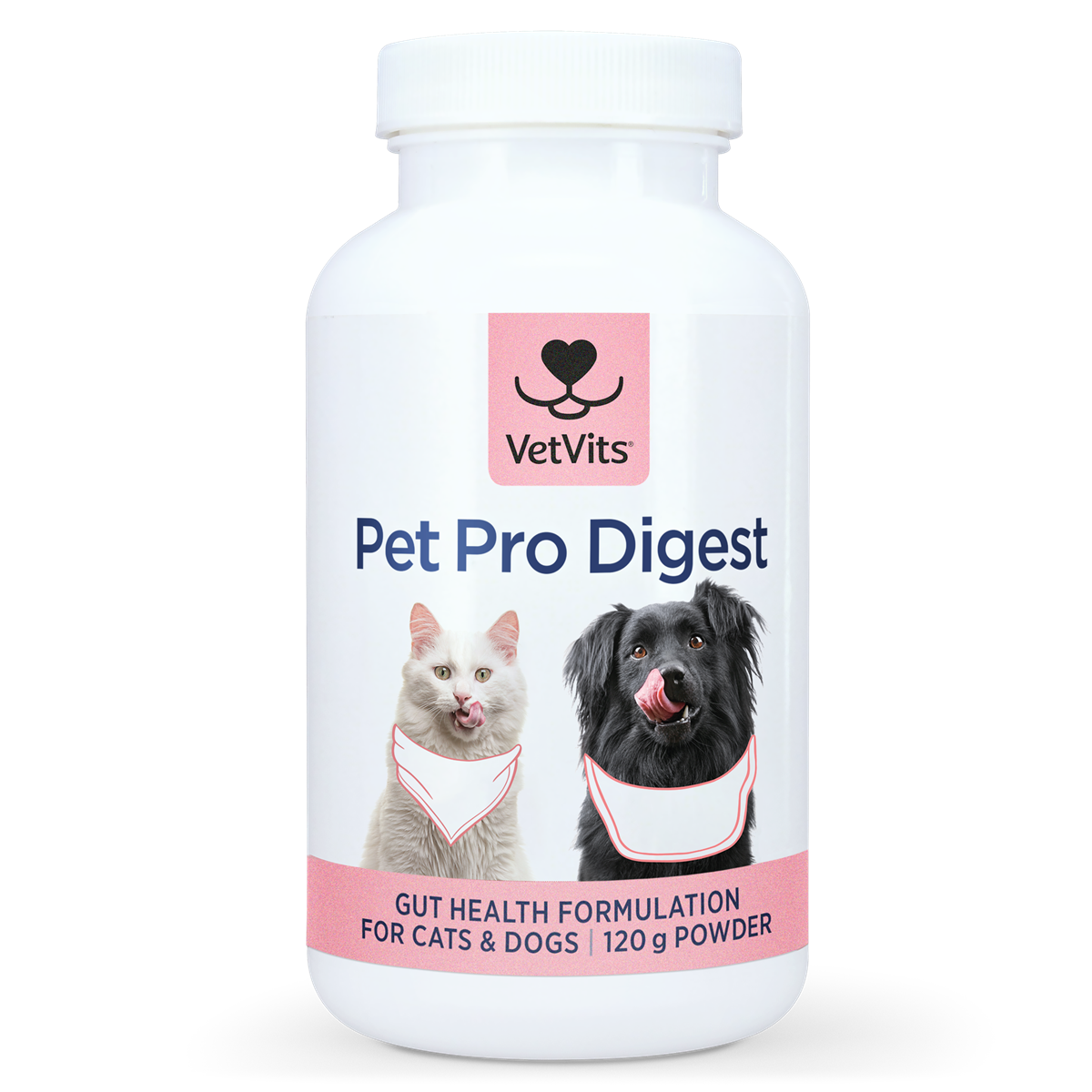
Pet Pro Digest
Daily probiotic and prebiotic support for your pet's digestive system
- Provides two billion live probiotic cultures per 4 g serving
- Contains prebiotic fibre to support beneficial gut bacteria
- Easy-to-use powder for dogs and cats
