












Magnesium is an abundant mineral in the human body, and is vital for a number of processes essential to good health. Dr Hilary Jones explains what magnesium does, why you need it and the impact of magnesium deficiency.
🕒 5 min read
What is magnesium and why do we need it?
Magnesium is the fourth most abundant mineral in the human body, with 60% of it locked up in the bony skeleton, and the rest distributed widely throughout the liver, muscles, heart and kidneys.
In these softer organs it resides in the fluid within the cells themselves, where it is responsible for protein synthesis, calcium balance, control and function of vitamin D, and muscle contraction.
Magnesium is involved in over 300 enzyme systems and countless biochemical reactions, without which we simply could not function or even exist.
What are magnesium's benefits?
The principal benefits of magnesium include good cardiovascular health and regulation of normal heart rhythm.
This is down to its importance in the transfer of calcium and potassium in and out of muscle and nerve cells.
Magnesium ions interact with polyphosphate compounds, such as ATP (essential for the production of energy), and is an integral component of DNA and RNA, the building blocks of life itself.
As such, it also promotes the production of protein and the control of electrolyte balance, especially important for people who exercise regularly or feel generally tired and lethargic.
It is essential for bone strength, it boosts metabolism, helps regulate blood sugar, and reduces inflammation. Magnesium may also prevent significant headaches and migraines, support immunity and promote good-quality sleep.
Advocates of mental health also recommend magnesium for normal psychological and nervous system function, as well as its beneficial effect on anxiety and depression.
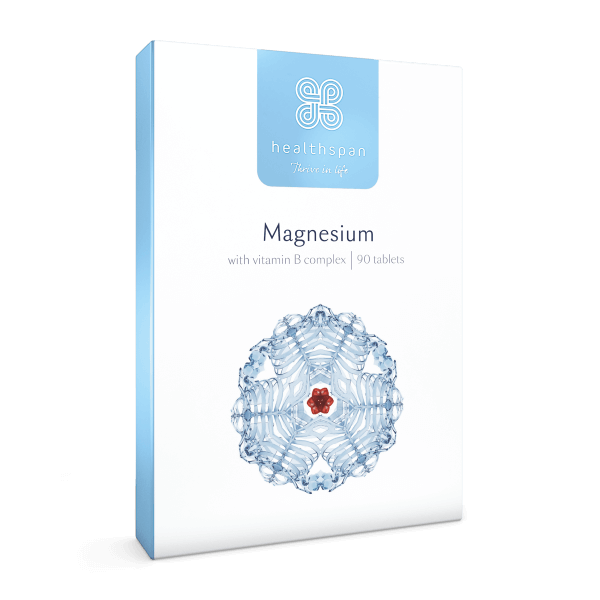
Magnesium 375mg
100% recommended daily amount of magnesium per tablet
- Reduces tiredness and fatigue
- Contributes to muscle and psychological function
- Helps maintain bones and teeth
Magnesium for muscle cramps
How many people suffer from painful muscle cramps, particularly in bed at night, where the powerful muscle contraction makes them jump out of bed and have to hobble about to stretch out the spasm?
This can happen without being dehydrated, or having over-exercised during the day. It can leave people feeling sore for a day or two and seriously interrupts sleep.
Magnesium can help, and supplementation in the form of a magnesium gel allows for absorption through the skin, bypassing the digestive system and avoiding possible side-effects – some types of magnesium supplement can have a laxative effect in some people.
Around 10% of appointments with GPs are related to insomnia. Poor-quality or reduced hours of sleep are not only miserable but cause tiresome daytime drowsiness, irritability, stress, appetite changes and mental health issues.
A good sleeping routine free of all modern electronic devices (including TV) is important, and there are many actions we can take to give our bodies a fighting chance of enjoying a refreshing, invigorating night's sleep.
An increasingly popular remedy is the nutrient magnesium, which helps optimise the release of our bodies' sleep neurotransmitter hormones, such as serotonin.
The nutrient can calm a troubled mind, to the extent that some healthcare professionals are heralding magnesium as an even more effective remedy than our other natural sleep hormone, melatonin.
The warning signs of deficiency
Estimates suggest that between 10% and 20% of people are magnesium-deficient. In other words, they show signs and symptoms of hypomagnesaemia.
Health conditions that can make such deficiency more likely include diabetes, intestinal malabsorption, chronic diarrhoea, coeliac disease, and anyone drinking more than the recommended intake of alcohol.
Symptoms might include muscle twitching and cramps, emotional numbness and reduced ability to deal with stress, depression, and anxiety.
Osteoporosis and bone fractures are more likely where magnesium deficiency exists, as is general physical fatigue and muscle weakness.
Deficiency is also often a contributory factor in an irregular heartbeat, which may increase the risk of heart failure and strokes, and in severe asthma and high blood pressure.
How much do we need every day?
The NHS-recommended daily magnesium intake is 300mg for men and 270mg for women, although many people do not achieve this intake; either as the result of an over-reliance on processed foods or simply poor diet. The EU has the figure slightly higher, with an NRV of 375mg.
Some people may need more because of their lifestyle or certain pre-existing medical conditions.

Glucosamine & Magnesium Gel
Highly absorbable magnesium and glucosamine gel
- Supports bone and muscle health
- Highly absorbable formulation for fast-acting topical support
- Non-sticky, non-greasy
Foods rich in magnesium
A wide selection of healthy foods in anyone's normal diet should ensure an adequate daily magnesium intake, but it's estimated that 10% to 20% of people don't get enough. Foods that are a good source of magnesium include:
- Green leafy vegetables, such as spinach
- Wholegrain bread
- Brown rice
- Dairy products
- Almonds, cashew, nuts, brazils and peanuts
- Cereals
- Spices
- Cocoa
- Tofu
- Avocado
- Bananas
- Sesame and sunflower seeds
- Seafood and fish
- Meat such as beef and chicken
Do I need a magnesium supplement?
If you feel tired and lethargic for no easily identifiable reason, suffer from palpitations or frequent muscle cramps or twitching, supplements could be the answer.
Since extra magnesium that is not needed in the body is easily eliminated, supplements are safe provided the recommended dose is followed, and there should be no harm in trying magnesium supplements to see if they help.
Anyone with high blood pressure, diabetes, osteoporosis, frequent headaches, or trouble sleeping could also benefit, although I would always recommend consulting your GP first.
Different types of magnesium
Magnesium supplements come in many different forms and formulations, depending on the salt to which they are attached.
Some will carry a higher amount of elemental magnesium per gram, but others may boast a superior bioavailability – how much of a certain dose is absorbed for use by the body after consumption.
The magnesium oxide and hydroxide in Healthspan's Magnesium 375mg supplement has a high quantity of nutrient, although the bioavailability is slightly less than that provided by Opti-Magnesium. The latter uses more premium water-soluble forms of magnesium (citrate and malate) and a smaller amount of oxide.
This formulation provides a high bioavailability, and is therefore an effective dose for those with low magnesium status or impaired uptake. It's also a good solution for anyone struggling with possible side effects, such as abdominal discomfort or looser motions, from taking a higher dose of oxide or hydroxide.
Finally, Magnesium & Glucosamine Gel contains magnesium chloride, which is rubbed onto muscles and joints directly to ease muscle cramps and joint pain; particularly useful for those who suffer from night-time muscle cramps (see "Magnesium for muscle cramps", above.)
Safety information
According to the NHS, taking a dose of more than 400mg of magnesium can cause diarrhoea, so follow the guidelines on the pack and stay below this level.
