













Long viewed as a supplement for sportsmen and gym-goers, creatine is attracting growing attention for its potential role in supporting women’s health, says Patsy Westcott
🕒 6 min read
Scroll through social media or pick up a newspaper or magazine and it won’t be long before you stumble across an article or advert extolling the benefits of creatine.
For years the buzz around creatine has centred on its benefits for male athletes, bodybuilders and gym-goers. But that is now changing.1
A growing body of research is exploring how creatine may support women’s health, energy and everyday activities at different stages of life.12

What is creatine?
A naturally occurring compound made in the liver, kidneys and pancreas from three amino acids, creatine is also found in animal-based foods, such as meat and fish.
Its main role is to help the body produce energy, especially during activities involving short bursts of effort such as lifting, sprinting or jumping. It does this by supporting the recycling of ATP – short for adenosine triphosphate – the body’s main energy source.2
Most of the body’s ‘pool’ of creatine is stored in tissues and organs that are hungry for energy, such as the muscles and the brain.3
But while creatine is best known for supporting strength and performance in high-intensity, power-based activities, its role in energy production means it’s also relevant to everyday physical activities needing brief bouts of muscle power. Think playing with children or pets, carrying shopping, climbing stairs or hills, or running to catch a bus or train.2
- To help support energy production in muscles
- To support short bursts of effort, strength and performance
- To help with everyday activities that rely on brief muscle power
- Because creatine is also stored in energy-hungry tissues such as the brain
Why creatine matters for women
The body uses creatine continuously, so stores need to be regularly topped up. However, women may be at a relative disadvantage to men when it comes to maintaining optimal levels. That’s because:1
- Women tend to have smaller, less dense muscles than men
- Women have been reported to have lower endogenous creatine stores than men
- Dietary creatine intake tends to be lower in women
- Women are more likely to follow vegetarian or vegan diets than men
At the same time, hormonal fluctuations across the lifespan may influence how women’s bodies store and use creatine. This has led to growing interest in how creatine supplementation could support women’s health.1
The fertile years
Research into the role of creatine in women’s health is still ongoing, but early findings point to several areas of interest during the reproductive years:1
Energy and fatigue… Hormonal fluctuations across the menstrual cycle may affect how the body uses creatine. Researchers are investigating whether creatine could have a role in supporting energy at different times of the month.1
Cellular hydration… Creatine can increase water held within muscle cells, which is part of its role in supporting energy production.2
Brain health, sleep and mood… Creatine plays a role in brain energy metabolism. Early research is exploring whether supplementation may influence areas such as cognition, particularly when the brain is under stress, but further research is needed.3
Pregnancy and early life… While there’s growing interest in the potential role of creatine during pregnancy and early life, seek advice from a healthcare professional if you are pregnant, breastfeeding or have recently given birth.
Perimenopause
During perimenopause, dwindling levels of oestrogen, progesterone and testosterone may influence muscle, bone, energy and mood. Research is still in its infancy, but researchers are exploring whether creatine may have a role in the following areas:1
Muscle strength and function… Especially when combined with resistance training, research suggests creatine may help support muscle strength and mass as hormone levels wane.1
Bone health… Research in post-menopausal women has explored whether creatine combined with resistance training may influence measures of bone health. Findings are mixed: some studies have reported changes in certain bone geometry measures, while longer-term research has not found an improvement in bone mineral density.45
Exercise capacity and recovery… Fatigue is a common complaint during perimenopause. Through its established role in cellular energy, creatine is being studied for its potential to support exercise capacity and recovery.2
Cognitive function and mood… Memory lapses and lack of focus are common during perimenopause. Research is exploring whether creatine may affect memory, attention and mental performance, but the evidence is still developing.36
Post menopause and beyond
Much of the research into creatine supplementation in women has focused on older adults, with findings suggesting it may help support muscle health, particularly alongside resistance training.1
- Research has explored possible effects on muscle health and body composition
- Some studies suggest creatine may support improvements in muscle strength when combined with resistance training
- A two-year study found no improvement in bone mineral density, although it reported changes in some bone geometry measures associated with bone strength5
- A small eight-week study involving 36 peri- and post-menopausal women explored the effects of creatine hydrochloride and creatine ethyl ester on cognition, mood-related symptoms and brain creatine levels. The findings are preliminary and should not be assumed to apply directly to creatine monohydrate.6
You can also read more about creatine, muscle health and healthy ageing.
How much should I take?
Women choosing to supplement can follow the same general approach as men. A commonly studied daily amount is 3–5 grams of creatine monohydrate. A loading phase is optional rather than essential.2
- Take 3–5 grams of creatine each day and allow muscle stores to build gradually.
- Alternatively, a loading phase typically involves 20 grams a day, split into four 5 gram doses for five to seven days, followed by a smaller daily maintenance amount.
For a fuller explanation of daily amounts, loading and timing, read our creatine dosage guide.
Read our creatine guide for a straightforward overview of what creatine is, how it works and why people take it.
When should I take it?
Consistency matters more than timing, so do what suits you – for example before or after exercise, with a meal or added to a protein shake.2
The best way forward is to make this part of your daily routine to encourage your muscles to maintain their creatine stores.
It’s a myth!
False. Creatine does not make women bulky by itself. Building substantial muscle takes time, progressive resistance training and sufficient energy intake. Creatine is generally used to support performance and the effects of training, rather than causing dramatic changes in size on its own.2
False. Creatine can increase water content within muscle cells, but that is not the same as digestive bloating. Some people notice a brief increase in body weight, particularly during a loading phase, but this is not an increase in body fat.2
False. Creatine’s role in energy production makes it relevant to everyday activities involving brief bursts of muscular effort – from carrying shopping to climbing stairs or running after children.2
False. Creatine does not directly increase body fat. Short-term changes on the scales are more likely to reflect additional water held within muscle. When combined with resistance training, creatine may also support changes in lean mass.1
For a fuller look at these concerns, read our guide to creatine safety, myths and possible side effects.
The bottom line?
Creatine is no longer just a supplement for athletes, sportsmen and gym-goers. Its established role in muscular energy has led to growing interest in how it may support women at different stages of life, while research into brain energy and cognition continues to develop.13
It’s not for every woman. But as research continues to grow, creatine may be worth considering as one part of a healthy, active lifestyle.
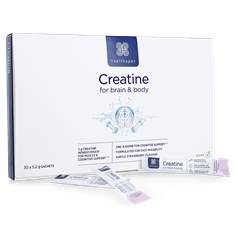
For a convenient, pre-portioned option, Healthspan Creatine for Brain & Body provides 5 grams of creatine per sachet and can be mixed with water. It also contains zinc and iodine, which contribute to normal cognitive function.
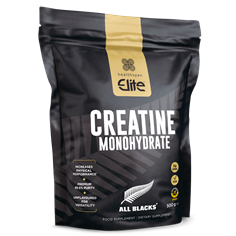
For an unflavoured powder suited to regular training, Healthspan Elite All Blacks Creatine Monohydrate provides 5 grams of micronised creatine monohydrate per serving and can be mixed with water or juice.
Whichever option you choose, follow the on-pack directions and do not exceed the recommended intake.
Note: if you have a medical condition, are pregnant or breastfeeding, or take regular medication, consult a healthcare professional before starting supplementation.
Top ↑