













Creatine has long been a go-to for supporting strength and performance among the fitness crowd. But this natural compound isn’t just of interest to bodybuilders, athletes or keen gym-goers; it plays an important role in how the body supplies energy to cells.
🕒 8 min read
What is creatine?
Creatine is a compound made naturally in our bodies. Its job is to help supply energy by supporting the production and maintenance of ATP (adenosine triphosphate), the energy currency of our cells.
Made mainly in the liver and kidneys and stored in tissues and organs that use a lot of energy, creatine is found predominantly in muscle, with smaller amounts in the brain and other tissues. It is also present in animal-derived foods such as meat, fish and poultry. Plant-based foods contain little or no creatine, so vegetarians, vegans and people eating mainly plant-based diets generally consume less through food.17
Read more about common vegan diet deficiencies.

What does creatine do?
During short bursts of intense activity – whether sprinting around an athletics track, lifting a heavy object or running to catch a bus – muscle cells use ATP quickly. Creatine helps recycle ATP, supporting the rapid energy supply needed for repeated, high-intensity efforts.1
Creatine also forms part of the brain’s energy system. Research into whether supplementation produces meaningful cognitive benefits is developing, but findings are not yet consistent enough to support broad claims for brain function.56
How much creatine do you need per day?
There is no official UK nutrient reference value for creatine. The body continually breaks down and replaces some of its creatine stores, with an omnivorous diet typically providing part of the amount used and the remainder produced within the body.1
Dietary intake varies considerably. Research using US dietary data suggests that many adults, particularly older adults, consume less than 1 gram of creatine a day from food. A low dietary intake does not automatically mean someone is deficient, because the body can also make creatine.3
Creatine supplementation increases creatine stores and may be worth considering if you:
- Have cut down on meat, poultry or fish
- Follow a vegetarian or vegan diet
- Want to support repeated bursts of short-term, high-intensity exercise
- Are over 55 and regularly perform resistance training
- Prefer a consistent, measured daily creatine intake
How to take creatine
A commonly studied approach is 3–5 grams of creatine monohydrate a day. The authorised physical-performance benefit is obtained with a daily intake of 3 grams of creatine.19
For more detail about maintenance amounts and loading, read our creatine dosage guide.
When to take creatine
You can take creatine at any time of day, but consistency is more important than precise timing. Some people prefer it before or after exercise, while others take it with a meal. The most practical approach is to make it part of a routine you can maintain.2
How long does creatine take to work?
How long creatine takes to build up in muscle depends on the approach used. Taking around 3–5 grams each day gradually increases stores over several weeks. A loading phase of approximately 20 grams a day, split into four smaller servings for five to seven days, increases stores more quickly before moving to a smaller maintenance amount.12
Registered nutritionist and sports nutritionist Robert Hobson says:
“A growing body of evidence suggests that creatine may support cognitive function, particularly in ageing populations and during periods of mental fatigue. There’s also interesting research into its role in muscle preservation during illness or inactivity, which could have real implications for older adults or those with low appetites. This is a great example of how a well-researched sports supplement is now being repurposed to support health across the lifespan.”
What age can you take creatine?
Creatine products are generally intended for healthy adults aged 18 and over, as most supplementation research and product directions focus on adults. Anyone under 18 should only consider creatine on the advice of an appropriately qualified healthcare professional.
What are the potential benefits of creatine?
Creatine is best established as a supplement for physical performance during repeated bursts of short-term, high-intensity exercise. Research has also explored its use alongside resistance training, particularly in older adults.14
Support healthy muscles
When combined with resistance training, creatine can support increases in lean tissue and muscular strength in older adults. The Great Britain nutrition and health claims register also authorises the claim that daily creatine consumption can enhance the effect of resistance training on muscle strength in adults over 55. The beneficial effect is obtained with a daily intake of 3 grams alongside regular resistance training.49
Read more about creatine, muscle health and healthy ageing and how to combat age-related muscle loss.
Research into brain health
Research into creatine and cognition is promising in some areas but mixed overall. A 2024 systematic review and meta-analysis reported possible improvements in memory, attention time and processing speed, but did not find a clear improvement in overall cognitive function, and confidence in the evidence varied between outcomes.5
The UK Nutrition and Health Claims Committee separately concluded that the evidence submitted for a claim that up to 3 grams of daily creatine improves cognitive function was insufficient. Creatine should therefore not be presented as having an authorised cognitive benefit in its own right.6
Research into recovery and inactivity
Creatine has been studied in relation to exercise recovery, rehabilitation and periods of reduced activity. Some findings are encouraging, but the evidence depends on the population and circumstances, and creatine should not be viewed as a treatment for illness, injury or the effects of surgery.1
Explore our guide to muscle recovery supplements.
Support vegetarian and vegan diets
People following vegetarian or vegan diets generally consume less creatine and may have lower muscle creatine stores than people who eat meat and fish. A review of the available research found that supplementation can increase creatine stores in vegetarians, although effects on physical and cognitive outcomes vary between studies.7
Read more about how to safeguard your health when going vegan.
Creatine and women’s health
Women can use creatine for the same established exercise-related purposes as men. Research is also exploring creatine across the female lifespan, including during and after menopause, but many of these findings remain preliminary and should not be treated as established benefits.2
Read our detailed guide to creatine for women or explore vitamins and supplements for women.
Other areas of research
Creatine is involved in cellular energy metabolism throughout the body, and researchers continue to investigate possible roles in ageing and clinical settings. These areas are not established reasons to use creatine as a treatment, and anyone managing an illness or recovering from surgery should follow advice from their healthcare team.
Is creatine safe?
Creatine monohydrate is one of the most extensively studied forms of sports supplementation and is generally considered safe and well tolerated by healthy adults when used as directed. It may increase blood creatinine, which can affect the interpretation of kidney-function tests without necessarily indicating kidney damage.12
The Great Britain nutrition and health claims register authorises specific creatine performance claims; it should not be described as approving a general safe intake of 3 grams. Speak to your GP or pharmacist before using creatine if you have an existing kidney condition, another medical condition, are pregnant or breastfeeding, or take regular medication.9
For a fuller explanation, read our guide to creatine safety, myths and possible side effects.
5 things to know about taking creatine
- It has an authorised performance benefit – 3 grams daily increases physical performance during successive bursts of short-term, high-intensity exercise.
- It can complement resistance training after 55 – 3 grams daily can enhance the effect of regular resistance training on muscle strength in adults over 55.
- Consistency matters – regular daily use is more important than taking it at a particular time.
- Loading is optional – smaller daily amounts also build muscle creatine stores, although more gradually.
- Creatine monohydrate is the best-studied form – check the serving size and follow the directions on the product.
Creatine FAQs
Does creatine cause hair loss?
Current evidence does not show that creatine causes hair loss. A 2025 randomised controlled trial found no significant difference in hair-growth measures between creatine and placebo groups over 12 weeks, although longer studies would provide additional reassurance.8
What does creatine do for men?
For men, as for women, creatine’s best-established benefit is increasing physical performance during successive bursts of short-term, high-intensity exercise when 3 grams is consumed daily. It may also complement resistance training.19
What does creatine do for women?
Women can use creatine for the same established exercise-related purposes as men. Research is also examining its potential role during different life stages, but the evidence for menopause, mood and cognition is still developing.
Does creatine help you lose weight?
Creatine is not a weight-loss supplement and does not directly burn fat. When combined with resistance training, it may support lean mass and training performance, but changes in weight still depend primarily on overall energy balance, diet and activity.
Does creatine give you energy?
Creatine helps recycle ATP during short, high-intensity activity, but it does not provide a stimulant-style energy boost.1
Choosing a creatine supplement
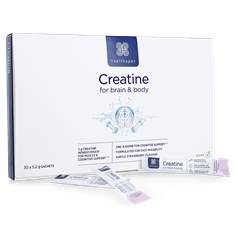
If you prefer a convenient, pre-portioned option, Healthspan Creatine for Brain & Body provides 5 grams of creatine per sachet and can be added to water. It also contains zinc and iodine, which contribute to normal cognitive function.
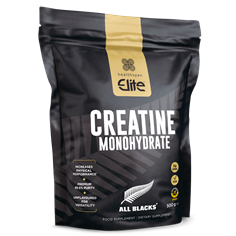
For an unflavoured powder suited to regular training, Healthspan Elite All Blacks Creatine Monohydrate provides 5 grams of micronised creatine monohydrate per serving and can be mixed with water or juice.
Whichever format you choose, follow the on-pack directions and do not exceed the recommended intake. Food supplements should not replace a varied, balanced diet and a healthy lifestyle.