













What’s fact and what’s fiction when it comes to creatine? We examine common concerns about side effects, kidney health, weight gain and who may benefit.
🕒 7 min read
Creatine monohydrate is one of the most researched supplements in sports nutrition, but it is still widely misunderstood. You may associate it with kidney damage, bloating or unwanted weight gain, or assume that it is only useful for bodybuilders.
The evidence presents a more nuanced picture. Creatine is not suitable for everyone, but recommended amounts are generally well tolerated by healthy adults, and research now extends beyond athletic performance into areas such as healthy ageing and brain energy.
Here, we separate the better-supported facts from the most common creatine myths.

What is creatine?
Creatine is a naturally occurring compound that helps the body supply energy to cells. It is particularly important during short, intensive activity such as sprinting and weight training.
- Approximately 95% of the body’s creatine is stored in skeletal muscle.1
- Creatine is made from the amino acids glycine, arginine and methionine.
- The body produces creatine naturally, mainly in the liver and kidneys.
Within muscle cells, creatine helps regenerate adenosine triphosphate (ATP), the immediate energy source used during short bursts of high-intensity activity. This helps explain why creatine is associated with repeated efforts such as lifting weights or sprinting.1
Creatine is also found naturally in foods including meat and fish. People who eat little or no animal-derived food generally consume less dietary creatine, although the body can still produce it.
For a broader overview, read what creatine is, how it works and its potential benefits beyond the gym.
Does creatine have side effects?
Creatine is generally well tolerated by healthy adults when used as directed. The most commonly discussed effects are an increase in body water and occasional digestive discomfort, particularly when large amounts are taken at once during a loading phase.2
These effects are not experienced by everyone and can often be reduced by using a smaller daily amount rather than a loading phase. If creatine causes persistent discomfort, stop taking it and seek advice from a healthcare professional.
Speak to your GP or pharmacist before taking creatine if you have an existing medical condition, particularly a kidney condition, take regular medication, are pregnant or are breastfeeding.
Common creatine myths explained
Myth: creatine damages your kidneys
Creatine can increase the amount of creatinine measured in the blood. Because creatinine is commonly used when assessing kidney function, this can sometimes create confusion without necessarily showing that the kidneys have been damaged.
Reviews of the available evidence have not found that recommended creatine supplementation damages kidney function in healthy people. However, evidence is more limited for people with existing kidney disease, who should seek medical advice before using it.3
Tell your healthcare professional that you take creatine before undergoing kidney-function blood tests so they can interpret the results in context.
Myth: creatine always causes bloating
Creatine can increase water held within the body, particularly during the first few days of a high-dose loading phase. Some people interpret this change as bloating, but it is not inevitable and is usually temporary.2
Taking a consistent daily amount of around 3–5g, rather than loading with several larger servings, may be more comfortable for people who are prone to digestive symptoms.
Myth: creatine makes you gain fat
Creatine does not directly increase body fat. A small increase on the scales can occur when someone begins taking it, particularly after a loading phase, because creatine can increase water held within muscle.2
When creatine is combined with resistance training, longer-term changes in body weight may also reflect gains in lean mass rather than fat.
Myth: creatine is only for bodybuilders
Creatine is best known for supporting performance during repeated bursts of short-term, high-intensity exercise, so it is popular with strength and power athletes. However, research interest now includes older adults, women, vegetarians and people interested in maintaining muscle function as they age.
Research into cognition is still developing. A 2024 systematic review reported possible improvements in certain areas, including memory and processing speed, but did not find a clear improvement in overall cognitive function, and the certainty of evidence varied between outcomes.4
An observational study involving more than 22,000 US adults found an association between higher dietary creatine intake and lower prevalence of depression. This does not prove that creatine prevents or treats depression, and further research is needed.5
Small preliminary studies have also explored creatine in peri- and post-menopausal women, including possible effects on strength, cognition and sleep. These early findings are interesting but need confirmation in larger controlled trials.6
Read more about the emerging evidence on creatine for women and creatine, muscle health and healthy ageing.
Myth: creatine is a steroid
Creatine and anabolic steroids are fundamentally different. Anabolic steroids are synthetic substances related to hormones such as testosterone and directly influence hormonal pathways.
Creatine is a naturally occurring compound made from amino acids. It supports the recycling of cellular energy and does not mimic testosterone or act as an anabolic steroid.1
How should you take creatine?
There is no UK nutrient reference value for creatine. A commonly studied approach is 3–5g of creatine monohydrate each day. A loading phase is optional rather than essential, and consistency generally matters more than whether creatine is taken before or after exercise.12
For a fuller explanation of daily amounts, loading and timing, see our creatine dosage guide.
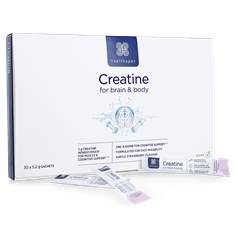
For convenient daily use, Healthspan Creatine for Brain & Body provides 5g of creatine monohydrate per sachet and is mixed with water. It also contains zinc and iodine, which contribute to normal cognitive function.
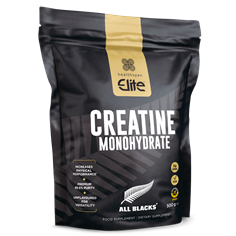
For regular training, Healthspan Elite All Blacks Creatine Monohydrate provides 5g of micronised creatine monohydrate per serving in an unflavoured powder that can be mixed with water or juice.
Whichever format you choose, follow the on-pack directions and do not exceed the recommended intake.
Creatine myths: the key takeaways
Creatine is not a steroid, and it does not directly cause fat gain. Temporary changes in body water or digestive comfort can occur, particularly when larger loading doses are used, but creatine is generally considered safe for healthy adults when taken as directed.
Its most established role is supporting physical performance during repeated bursts of short-term, high-intensity exercise. Research into cognition, mood, healthy ageing and menopause is developing, but these areas should be described cautiously while the evidence continues to evolve.
Anyone with an existing kidney condition, another medical concern or regular medication should speak to a healthcare professional before taking creatine.