












The right balance of protein and regular activity can support healthy muscles, helping us stay strong, independent and full of get up and go, says Patsy Westcott.
🕒 8 min read
When we’re young, we tend not to think much about our muscles. But as the years pass, everyday activities that were once a doddle can start to feel like more of a challenge.
You might notice you’re lagging behind on weekend walks or feeling more tired than you used to after an active day. It’s easy to dismiss this as just part of getting older. But often, it’s a sign your muscles need more support.
Other clues that your muscle health isn’t what it was include simple tasks starting to feel more of an effort. Climbing the stairs or walking up a hill may literally seem like an uphill struggle, while getting up from the sofa suddenly involves pushing yourself up with your hands.
Even everyday tasks like opening jars or bottles can become trickier as grip strength declines. You may notice your arms and legs look skinnier and less shapely, and your posture seems more stooped like one of those road signs for old people crossing.
The good news? While some muscle loss is a natural part of ageing, there’s a lot you can do to stay strong, active and independent. And one of the most important is getting enough protein.
Ageing, muscle loss and why it matters
Muscle health isn’t just about strength or appearance, however. Around 40% of our body weight is made up of muscle and that’s not surprising. Healthy muscles underpin virtually everything we do: from how we stand, to how we move and balance and how resilient we are to stressors in our everyday life.
We reach peak muscle power and mass in our 20s and early 30s after which there’s a gradual decline. From around age 40 we lose around 8%-10% of muscle mass per decade and around 10-15% of muscle strength.
At first, the changes are subtle. But over time the pace can quicken, ratcheting up through midlife, especially after menopause in women and from around the age of 70 in men. In some cases it can develop into a condition called sarcopenia, age-related loss of muscle strength, mass and physical performance, linked to a higher risk of falls, frailty and loss of independence.
The good news is that, while some muscle loss is a natural part of ageing, sarcopenia is not inevitable. And this is where the choices you make – what you eat and how you move – can start to make a real difference to health and wellbeing in later life.
It’s complicated! As we age the number and size of our muscle fibres declines so muscles not only get smaller, but also weaker. At the same time our bodies become less efficient at synthesising and repairing muscle meaning recovery takes longer.
Some types of muscle fibres, especially the so-called fast-twitch type that help you catch yourself if you trip over a loose paving stone or tree root, decline faster than others, which helps explain why we’re more prone to falls as we get older.
Hormonal factors play a part too. From midlife onwards, levels of key hormones - think testosterone (mainly in men), oestrogen (mainly in women) and growth hormone – start to wane making it harder to maintain muscle mass.
Being less active, eating too little protein, bouts of illness or inactivity can all contribute to faster muscle loss as can certain long-term (chronic) health conditions.
Why protein matters for muscle health
Protein is needed to help maintain and repair muscle. We get it from everyday foods like meat, fish, eggs, cheese, and plant foods such as peas and beans. Protein also helps support recovery after physical activity or illness, helps maintain strength and plays a role in immune health and overall wellbeing. All of which make protein uber-important in later life when overall resilience often starts to decline.
When we’re younger our bodies process protein pretty efficiently. But as we age, they become less good at this, something called anabolic resistance. To overcome it we need to include more protein in our diet.
Despite this, many of us don’t adjust our eating habits as we get older meaning that protein intake can fall short of the amount needed to support healthy ageing.
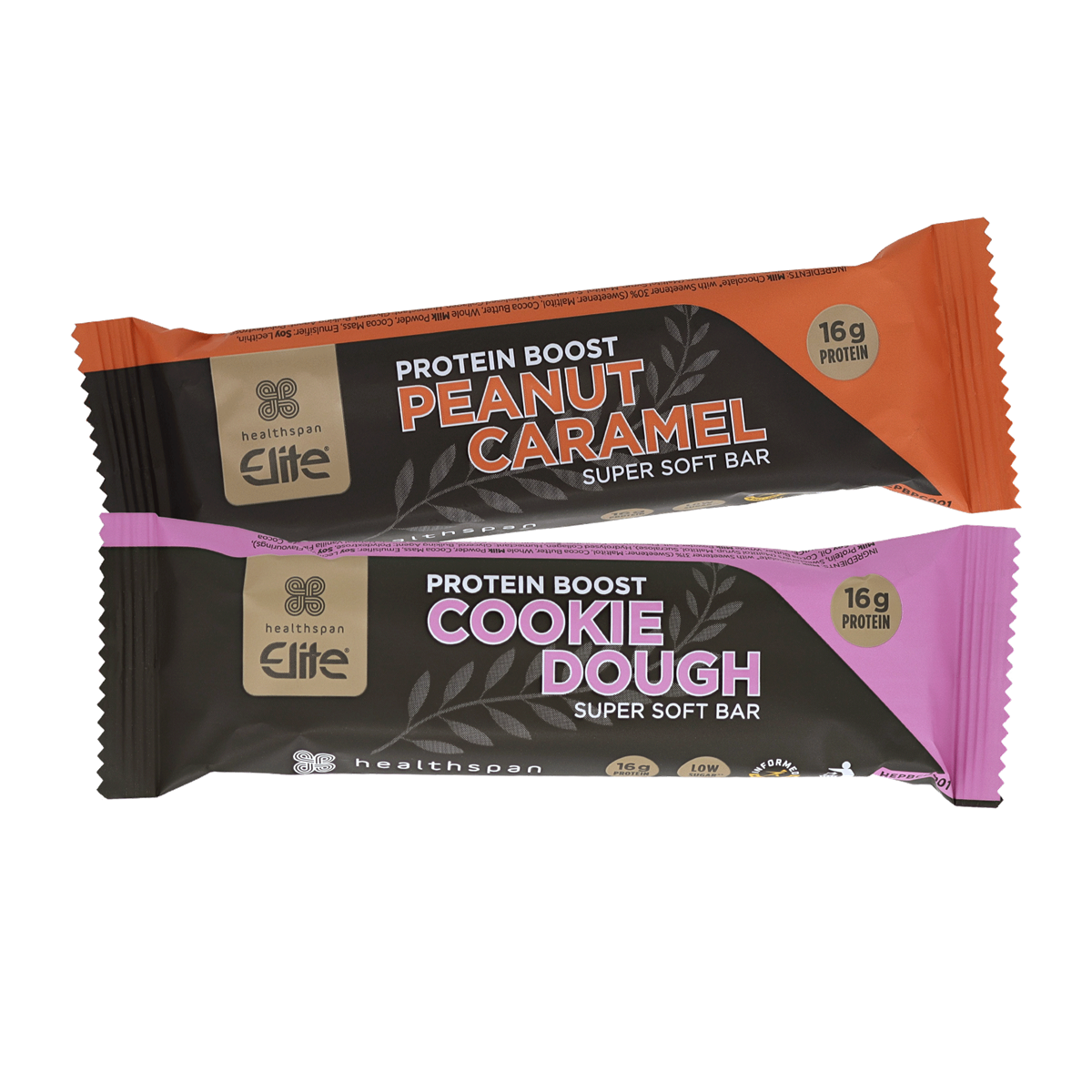
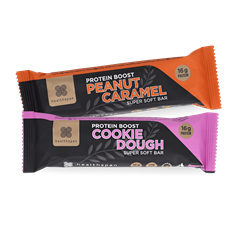
Elite Protein Boost Bars - Mixed
Deliciously soft protein bars with 16g high-quality whey protein per bar
- 16g high-quality whey protein per bar
- Soft texture and superior taste
- For muscle mass and recovery
- Tasty Cookie Dough and Peanut Caramel flavours
A study published in 2020 from Sheffield University of 265 older people aged from 65 to 89 years found that less than half met the current recommendation for protein intake in people aged under 65, let alone the higher amounts now thought to be optimal for health in older people.
How much protein do we need?
Protein needs depend on age, body weight, how active we are and our overall health. There’s no one size fits all, but guidelines on how much protein you need can be helpful.
In the UK the recommended amount of protein for adults aged 19 to 64 years is 0.75 grams of protein per kilogram of body weight per day. Once we hit 65 years, however, this rises to 1 gram to 1.2 grams of protein per kilogram of body weight per day.
In practice this translates to:
- Around 94 grams of protein per day for a 72 kilogram woman
- Around 110 grams of protein per day for an 85 kilogram man
In some cases you might need even more. If you’re malnourished or at risk of malnutrition, for example, experts suggest an intake of 1.2 to 1.5 grams of protein per kilogram of body weight a day. An even higher amount may be recommended if you are living with severe illness or injury.
A study of Japanese ‘super-agers’ (people aged 100 and over) found that those who stayed independent – meaning they were able to manage daily tasks, think clearly, and stay socially engaged - were more likely to eat protein regularly and stay physically active than those who were less independent.
But it’s not just how much protein you consume that counts but also how you spread it throughout the day. A study from the University of Birmingham found that protein intake in older adults was more uneven than in younger people. The researchers suggest increasing protein intake, especially at breakfast and lunch, in combination with regular physical activity to help buffer against age-related muscle loss.
| 20 grams + | 10-20 grams | Less than 10 grams |
|---|---|---|
| Meat (chicken, beef, pork): around 30g | Eggs: 14g | Lentils / chickpeas: around 7g |
| Fish (tuna, salmon): around 25g | Seafood: 15–18g | Beans / tofu: 5–8g |
| Cheese: 25–28g | Flour / rice: 10–12g | Bread: around 8g |
| Almonds: 21g | Yogurt: around 5g | |
| Milk / oats: around 3–4g |
Protein alone isn’t enough: physical activity matters
Protein works best for muscle health when paired with regular physical activity especially strength or resistance training. But you don’t need to spend hours in the weights room at the gym, unless of course you want to. You simply need to do some activities that make your muscles work harder than usual at least a couple of times a week. This could include:
- Home-based strength training such as lifting dumbbells, barbell or kettlebells
- Resistance band exercises
- Bodyweight exercises such as squats or push ups
- Stairclimbing, walking uphill or incline walking on a treadmill
These kinds of activities help stimulate muscle growth and repair and, when combined with sufficient protein, are more effective than either alone.
A 2024 review looked at eight studies involving 854 healthy adults aged 60 years plus. It found that combining protein supplementation with resistance exercise helped increase muscle size and strength.
The supplements used included whey protein, essential amino acids, milk-based drinks, soy products, vitamin D, and certain commercial products. Exercise programmes ranged from straightforward strength training to a mix of strength and cardiovascular activities.
Elite Protein Boost Bars - Mixed
Deliciously soft protein bars with 16g high-quality whey protein per bar
- 16g high-quality whey protein per bar
- Soft texture and superior taste
- For muscle mass and recovery
- Tasty Cookie Dough and Peanut Caramel flavours
Simple ways to increase your protein intake
You don’t need to completely overhaul your diet to increase your protein intake. Small, consistent changes can all add up. For example:
- Aim to include a source of protein with every meal (meat, fish, chicken, eggs, cheese, pulses or tofu)
- Go for higher-protein dairy e.g. Greek yogurt or Skyr
- Have a handful of nuts and seeds a day as a snack or topping for yogurt, cereal or salad
- Choose protein-rich snacks e.g. hummus on an oatcake, cottage cheese on rye bread or boiled eggs
- Add beans, lentils or chickpeas to add a protein punch to soups and stews
- Spread protein evenly across the day rather than having most of it at dinner
Could I benefit from a protein supplement?
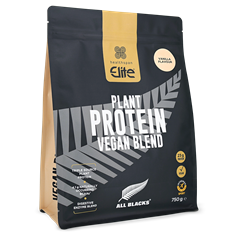
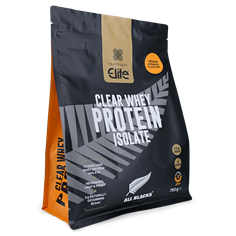
While diet should always come first, protein shakes and bars can be a handy option if you have a smaller appetite or struggle to meet your needs through food alone. They can be especially useful after exercise or as convenient snacks. It’s best to choose low-sugar options and use them to complement not replace a healthy diet.
A study published in the American Journal of Clinical Nutrition which looked at frail and pre-frail older adults (those showing early signs of frailty such as tiredness, weakness, slower walking, or unintentional weight loss) who were also undernourished.
It found that those who took a higher protein supplement of about 1.5 g per kg of body weight per day gained more muscle and were able to walk more easily than those on lower amounts (0.8 and 1.2 g/kg/day).
The good news is it’s never too late to make changes. Even small improvements in your diet and activity can help support muscle health and help you to a healthier later life.
The bottom line
As we age our muscles naturally change. But there are things we can do to help them stay healthy.
Getting enough protein, spread throughout the day, and staying physically active can all help together with considering a protein supplement if needed.