










Thinning hair is a common concern after menopause, but there are things you can do to make a difference, from diet to haircare.
The British Association of Dermatologists reports that most of us lose between 30 and 150 hairs a day1, but around the time of the menopause, many of us notice this number start to increase. According to a cross-sectional study published in the journal Menopause, just over half of all women experience some degree of menopause-related hair thinning or loss.2
Hair care ingredients for thinning hair
A number of ingredients have now been identified as having proven benefits for hair loss and thinning, so look for a specialised shampoo and conditioner duo to look after your scalp and hair properly.
Caffeine
When applied to the scalp, caffeine has been shown to penetrate directly into hair follicles,3 where it stimulates hair growth in two main ways.
Firstly, caffeine relaxes the smooth muscle fibres surrounding the hair follicles, which reduces scalp tension and allows small blood vessels to dilate and deliver more oxygen, vitamins, minerals and protein, all of which are needed for optimal hair growth.
Secondly, caffeine inhibits an enzyme which converts testosterone into dihydrotestosterone (DHT) within scalp hair follicles. DHT switches off scalp follicles and is associated with both male and female pattern hair loss, so reducing its action helps to maintain healthier hair.4 According to researchers, just two minutes' contact with your scalp is all that's needed for the caffeine in a shampoo to penetrate deeply into your follicles.
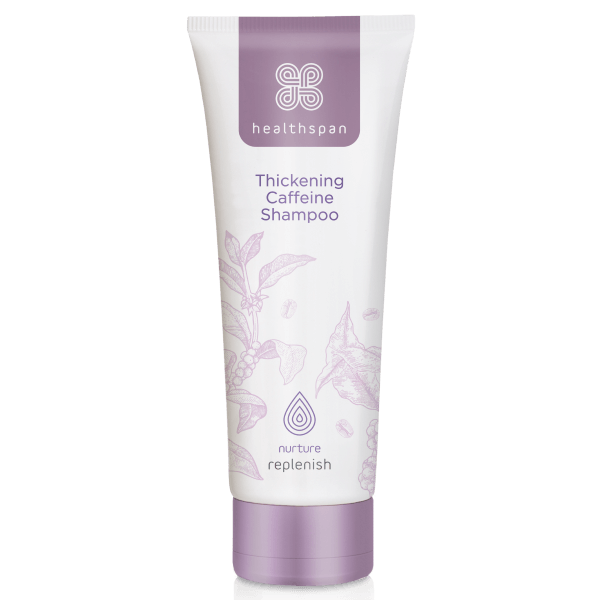
Replenish Thickening Caffeine Shampoo
For hair loss and thinning during and after the menopause
- Advanced formula with caffeine and B vitamins
- Helps to thicken and strengthen hair
- AnaGain™ for healthy hair growth and reduced hair strand loss
AnaGain™
Derived from pea sprouts, AnaGain™ reduces hair loss by inducing specific cells to reactivate hair growth. This helps hairs to keep their original density and thickness.
Beauplex® VH
New studies have now proven that BeauPlex® VH (a multivitamin blend of B3, B5, B6, C and E) can help increase hair density and thickness.
One of the ways it works is by prolonging the time hair spends in its growth phase; in the study, 93 per cent of volunteers noted an increased speed of hair growth, while researchers also found a 28 per cent increase in hair density after 5 months' treatment.5
Haircare advice for thinning hair
For women with thinning hair it can be tempting to cut down on shampooing to avoid significant hair loss in one go. However, bear in mind that the less frequently you shampoo, the more hair you will appear to lose. In addition, infrequent shampooing (as well as improper rinsing) will result in product build-up on the scalp, which can block the hair follicles and cause hairs to grow thin, fall out prematurely or not grow at all.
Instead, keep the scalp clear by shampooing regularly with a hair loss shampoo, taking care to follow with a nourishing conditioner. When towel-drying, always 'blot' hair rather than rubbing, detangle with a wide-tooth comb and avoid heating styling tools – including hairdryers.
Finally, avoid tight ponytails or plaits, which can stress hair follicles and lead to increased hair fall.
What causes thinning hair?
Known medically as alopecia (an umbrella term for multiple types of hair loss, which includes alopecia areata and telogen effluvium), thinning hair can have a number of causes. There is often a hormonal element at play, but other causes include nutritional deficiencies, genetics, stress and poor scalp health.
The good news is that hair loss in women is unlikely to result in baldness. Instead, a general thinning occurs, which is usually most evident around the temples and parting.
Why is my hair falling out?
Changing hormones
From perimenopause onwards, levels of oestrogen and progesterone (which help hair grow faster and stay on our heads for longer) decline. As a result, from our mid-forties onwards, hair tends not to grow as fast and is thinner, drier and more prone to breakage.
At the same time, testosterone, no longer masked by high levels of oestrogen, plays a greater role in hair health, shrinking hair follicles and causing hair loss.
Nutritional deficiencies
Research has found that women who experience hair loss during menopause may not be getting all the nutrients they need.6 As nutritional therapist Catherine Jeans explains, "many women also find it difficult to lose weight during menopause, so make changes to their diet." This may compound the problem.
Essential nutrients for menopause hair loss
B vitamins
A 2019 study confirmed that the most common deficiencies linked to hair loss are vitamin B12, biotin (vitamin B7), folate (vitamin B9) and riboflavin (vitamin B2).7
In terms of vitamin B12 deficiency, there are a number of risk factors, says Jeans, including heavy or prolonged periods (which are common in perimenopause), acid reflux medication, and vegan or vegetarian diets.
"Animal foods are the only sources of B12, including meat, fish, eggs and dairy," explains Jeans. "Vegans need to rely on fortified foods (such as cereals, yeast extract, soya products) and B12 supplements."
In a study published in the British Journal of Dermatology, researchers found that a leave-on combination of caffeine plus key B vitamins stimulates hair growth. The cross-sectional area of scalp hair increased by as much as 10 per cent, producing a noticeable thickening effect.8
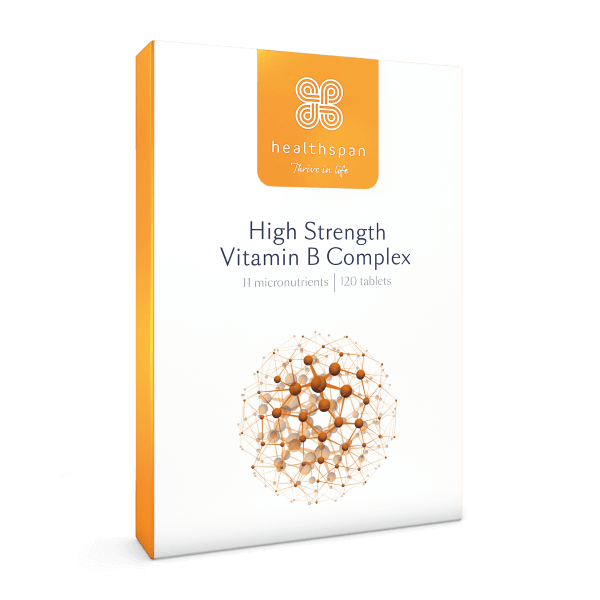
High Strength Vitamin B Complex
All the essential B vitamins to support your brain, heart and energy levels
- High levels of all eight B vitamins
- Supports immunity and reduces tiredness and fatigue
- Heart, brain and nervous system support for just 8p a day
Iron, zinc, protein, vitamin D
Iron, zinc, protein and vitamin D deficiencies are also common culprits.
"One in four women in the UK has low iron levels," says nutritionist Fiona Hunter. "It's one of the most common causes of hair loss, thinning and slow growth." Opt for lean red meat, says Hunter, or vegetarian sources like beans and pulses, fortified breakfast cereals, kale and watercress.
"Low-protein diets are also linked with hair loss and brittle hair," explains Hunter. "Protein provides the building blocks from which hair is made, helps make your hair strong and keeps it in the growing phase of its cycle." Lean meat, soy products, dairy, nuts, and beans are all good sources.
The role of stress
During the menopause, physical and mental stress are not uncommon. Either form causes the body to prioritise, diverting resources away from non-essential functions (like maintaining healthy hair). As a result, many people experience hair shedding and breakage.
Likewise, stress on the scalp – such as inflammation – can also prevent hair follicles from functioning properly, which is why proper hair and scalp care is essential.
