










Lactobacillus acidophilus stands out among probiotic strains for its specific benefits to women's health. This beneficial bacterium naturally inhabits both the digestive tract and vaginal canal, where it plays important roles in maintaining balance and supporting overall wellbeing.
🕒 8 min read
What is acidophilus?
Lactobacillus acidophilus belongs to a family of bacteria that produce lactic acid by fermenting sugars. The name literally means "acid-loving milk bacterium", reflecting both its preference for slightly acidic environments and its natural occurrence in dairy products.
In the human body, L. acidophilus naturally colonises the digestive system and, in women, the vaginal tract. It's one of the most researched probiotic strains, with decades of studies supporting its significance, safety and effectiveness. You might recognise acidophilus from yoghurt labels, where it appears as one of the live cultures used in fermentation.
As a probiotic, acidophilus contributes to health through several mechanisms. It produces lactic acid and other compounds that create unwelcoming conditions for potentially harmful bacteria. It competes with problematic microorganisms for space and nutrients. It interacts with the immune system in ways that support balanced inflammatory responses.
Learn more in our guide to what probiotics are, or explore our find the right probiotic page to understand the different types and how they compare.
How acidophilus supports digestive health
The gut houses trillions of bacteria, collectively known as the gut microbiome. When beneficial bacteria like L. acidophilus flourish, they crowd out less helpful species and support digestive comfort. Research demonstrates that acidophilus supplementation can help maintain a healthy balance of intestinal bacteria.
Digestive discomfort often stems from imbalances in the microbiome. Bloating, irregular bowel movements and general digestive unease can result when harmful bacteria outnumber beneficial species. Acidophilus helps restore balance by producing lactic acid, which slightly lowers intestinal pH. This acidic environment suits beneficial bacteria but inhibits many problematic species.
The strain also produces enzymes that support digestion. Many people find acidophilus particularly helpful for lactose digestion. The bacteria produce lactase, the enzyme that breaks down milk sugar. This explains why some people who struggle with dairy find fermented products like yoghurt and kefir (which contain active acidophilus) easier to tolerate.
For women experiencing digestive changes during menstrual cycles, pregnancy or menopause, maintaining healthy gut bacteria becomes especially important. Hormonal fluctuations can affect digestive function, and a stable population of beneficial bacteria, such as acidophilus, helps buffer these effects.
Learn more about gut health and probiotics in our helpful guide, or find out the best supplements for digestion.
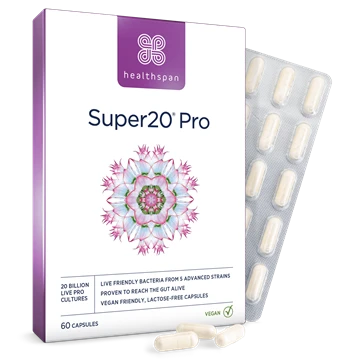
Super20® Probiotic
Supports a healthy gut
- Probiotic with 20 billion live friendly bacteria
- From five of the best strains
- Promotes friendly bacteria in your gut
Acidophilus and vaginal health
The vaginal microbiome deserves the same attention women give to gut health, yet it often receives less discussion. A healthy vaginal environment contains Lactobacillus species, predominantly L. acidophilus. These bacteria maintain the slightly acidic pH (between 3.8 and 4.5) that characterises healthy vaginal flora.
When Lactobacillus populations decline, vaginal pH rises, creating conditions where problematic bacteria and yeast can proliferate. This imbalance can lead to bacterial vaginosis or recurrent thrush. Research shows that women with healthy vaginal microbiomes have substantially higher levels of Lactobacillus bacteria than those experiencing recurrent infections.
Acidophilus supports vaginal health through multiple mechanisms. The lactic acid it produces maintains optimal pH. The hydrogen peroxide it generates helps inhibit harmful bacteria. It competes with problematic microorganisms for attachment sites on vaginal tissues, physically crowding them out.
Women prone to recurrent vaginal infections often find regular acidophilus supplementation helpful. The bacteria don't cure active infections, which require medical treatment. However, they support a resilient vaginal microbiome that resists imbalances. Learn more about the vaginal microbiome and pH balance.
The gut-vaginal axis explains how oral acidophilus supplementation supports vaginal health. Bacteria from the digestive tract can migrate to the vaginal area. By maintaining robust Lactobacillus populations in the gut through supplementation, you create a reservoir of beneficial bacteria that can help replenish vaginal populations.
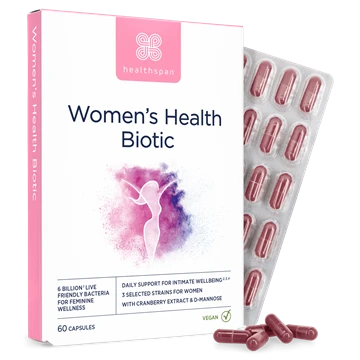
Women's Health Biotic
Supports hormonal balance & intimate flora
- With targeted strains for women’s health
- Enhanced with D-Mannose & cranberry
- 6 billion live cultures per capsule
Supporting immune function through the gut-immune connection
Your gut houses approximately 70% of your immune system. The intestinal lining contains extensive networks of immune tissue that constantly interact with gut bacteria. This interaction shapes immune responses throughout your body, not just in the digestive tract.
L. acidophilus probiotics help the immune system through their effects on gut-associated lymphoid tissue. Research demonstrates that the strain can support balanced immune responses, allowing the immune system to react appropriately to genuine threats whilst avoiding overreactions to harmless substances.
For women, strong immune function matters particularly during times of hormonal change. Pregnancy, menstruation and menopause all affect immune responses. Maintaining healthy gut bacteria provides immune support that can help you stay well through these transitions.
The strain also produces substances called bacteriocins that can inhibit harmful bacteria. By keeping problematic microorganisms in check, acidophilus reduces the burden on your immune system, allowing it to focus resources where they're most needed. Take a look at our best supplements for immunity.
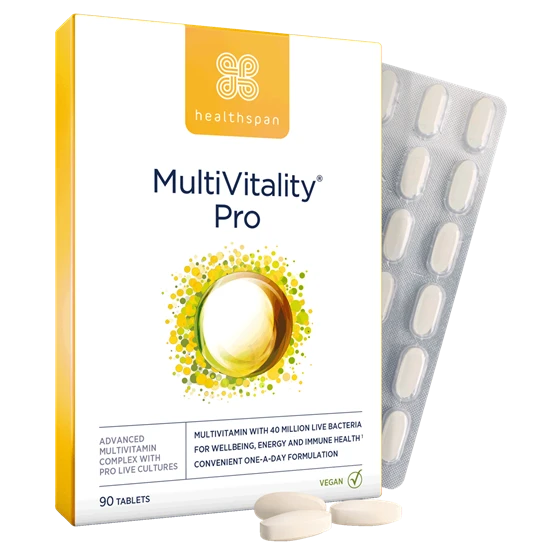
MultiVitality® Pro
Advanced multivitamin and probiotic complex
- With 40 million live bacteria
- Supports digestion
- Plus benefits to your energy, wellbeing and immunity
The gut-skin axis and acidophilus benefits for skin
The connection between gut health and skin appearance might seem surprising, but research increasingly supports the concept of the gut-skin axis. Your gut microbiome influences skin health through immune modulation, inflammation management and nutrient metabolism.
Studies suggest that gut bacteria influence skin conditions, including acne, eczema and rosacea. Whilst the mechanisms remain under investigation, the connection appears to involve inflammatory signalling between the gut and skin.
Women who maintain healthy gut bacteria through acidophilus supplementation sometimes notice improvements in skin clarity and calmness. The strain's effects on reducing systemic inflammation may explain these benefits. Healthy gut bacteria also support nutrient absorption, ensuring your skin receives the vitamins and minerals it needs.
Related: Best food and supplements for inflammation
Hormonal acne, which many women experience around menstruation, may respond to probiotic support. The exact mechanisms aren't fully understood, but maintaining balanced gut bacteria appears to help some women achieve clearer skin alongside conventional skincare approaches.
Take a look at our skincare and skin supplements to nurture your skin from the outside and the inside.
Is it good to take acidophilus every day?
Yes, daily acidophilus supplementation is generally safe and often beneficial for maintaining microbiome health. Unlike medications that you take only when needed, probiotics work best with consistent use. Regular supplementation maintains populations of beneficial bacteria, supporting ongoing health rather than just addressing problems after they develop.
For women specifically, daily acidophilus supplementation can help maintain both digestive and vaginal health. The consistent presence of beneficial bacteria provides continuous support for microbiome balance, which is particularly valuable during menstruation, stress, or other times when microbiome disruption is more likely.
That said, probiotics aren't essential supplements in the way vitamins might be. If you eat fermented foods regularly (yoghurt, kefir, sauerkraut, kimchi), you consume live bacteria, including various Lactobacillus species. Supplementation becomes more important if your diet lacks fermented foods or if you've experienced microbiome disruptions from antibiotics or digestive issues.
What are the signs that acidophilus probiotics are working?
Probiotic effects typically emerge gradually over several weeks rather than immediately:
For digestive benefits, watch for subtle improvements in comfort, more regular bowel movements, reduced bloating and better tolerance of foods that previously caused issues.
For vaginal health benefits, you might notice fewer episodes of discomfort, less disruption around menstruation, reduced need for over-the-counter treatments for minor imbalances and improved overall comfort. These changes develop slowly as beneficial bacteria recolonise and pH stabilises.
Some women report improvements in energy levels, mood stability and skin clarity after several weeks to months of consistent acidophilus supplementation. These broader effects reflect the interconnected nature of microbiome health with overall wellbeing.
Some people experience temporary increases in gas or mild digestive changes when they first start taking probiotics. These symptoms typically resolve within one to two weeks. If discomfort persists or worsens, consider reducing your dose or trying a different probiotic formulation.
What happens when you take acidophilus probiotics?
When you take acidophilus probiotics, the bacteria travel through your digestive system, facing challenges from stomach acid and bile salts. Many bacteria don't survive this journey, which is why probiotic doses contain billions of organisms. Those that survive reach your intestines, where they temporarily colonise the gut lining.
In the gut, acidophilus bacteria begin producing lactic acid and other compounds that support digestive health. They compete with less beneficial bacteria for resources and attachment sites. They interact with your immune system, helping to maintain balanced immune responses.
For women, some of these gut bacteria may migrate to the vaginal area, supporting the vaginal microbiome. This process takes time, which explains why benefits for vaginal health typically emerge over weeks rather than days.
The bacteria from a single dose don't permanently colonise your system. They remain active for several days before being naturally cleared, which is why consistent daily supplementation provides better results than occasional use. Regular supplementation maintains a steady population of beneficial bacteria.
As acidophilus populations establish themselves, they gradually shift the overall composition of your microbiome towards a healthier balance. This process is cumulative, with benefits building over weeks to months of consistent supplementation.
What to avoid when taking acidophilus?
When taking acidophilus, avoid:
Antibiotics - These medications kill bacteria indiscriminately, including beneficial probiotic strains. If you need antibiotics, continue taking your probiotic but space doses several hours apart.
Hot beverages - Tea and coffee can kill probiotic bacteria. If you take acidophilus with liquid, use room temperature or cool water. Allow hot drinks to cool to lukewarm before taking your supplement if you prefer to combine them.
Alcohol - This disrupts gut microbiome balance. Whilst moderate drinking probably doesn't significantly affect the effectiveness of acidophilus supplements, regular heavy drinking undermines the benefits probiotics provide.
Diet and ultra-processed foods - Diets high in sugar and low in fibre don't support beneficial bacteria. Probiotics work best alongside a diet rich in plant foods that provide the fibre and plant compounds beneficial bacteria need to thrive.
Some vaginal treatments or contraceptives - Few vaginal creams or spermicides contain ingredients that could theoretically affect probiotic bacteria. Whilst research in this area is limited, spacing acidophilus supplementation a few hours apart from vaginal product use represents a sensible precaution.
For more tips, take a look at our guide to ways to get the most out of your supplements.
Choosing an acidophilus supplement
When selecting an acidophilus probiotic, look for products that specify the strain included. "Lactobacillus acidophilus" tells you less than "Lactobacillus acidophilus NCFM" (a specific, well-researched strain). Different strains within the same species can have varying properties and benefits.
Colony-forming units (CFUs) indicate the number of viable bacteria. For general health maintenance, 1-10 billion CFUs daily suffices. Products with 20-50 billion CFUs provide higher doses that might benefit people with more significant microbiome imbalances.
Many women's probiotic formulations combine L. acidophilus with other Lactobacillus strains and sometimes Bifidobacterium species. These multi-strain products support both digestive and vaginal health. Healthspan's Women's Health Biotic provides targeted support for women's unique microbiome needs.
Check whether your chosen product requires refrigeration. Some acidophilus supplements need cold storage to maintain bacterial viability, whilst others use shelf-stable formulations. Consider your lifestyle when selecting. Refrigerated products offer no inherent advantage over quality shelf-stable options, but they do require planning if you travel frequently.
Acidophilus through diet vs supplementation
Yoghurt with live cultures provides acidophilus alongside other beneficial bacteria. A serving of yoghurt containing active cultures delivers bacterial counts similar to those of many probiotic supplements, with the added benefits of protein, calcium and other nutrients.
However, not all yoghurts contain live bacteria. Heat treatment after fermentation, which some manufacturers use to extend shelf life, kills the bacteria. Look for labels stating "live active cultures" or "contains L. acidophilus". Greek yoghurt, kefir and some aged cheeses provide good dietary sources. Check out our recipe for kefir yoghurt with pecan and coconut granola for inspiration.
Supplements offer advantages in specific circumstances. They provide precise, consistent doses. They deliver bacteria without the lactose, sugar or calories in dairy products. They allow targeting of particular strains. For women avoiding dairy or needing higher bacterial counts than dietary sources provide, supplements make practical sense.
The ideal approach combines both dietary sources and supplementation. Fermented foods provide not only bacteria but also the compounds they produce during fermentation. Supplements ensure consistent intake regardless of diet variations.
When to seek medical advice
Whilst acidophilus supports health, it doesn't replace medical treatment when needed. If you experience:
- persistent vaginal discharge
- odour
- itching or pain
- severe digestive problems
We recommend that you see your GP. These symptoms might indicate infections requiring prescription treatment. Probiotics can support recovery and help prevent recurrence, but they don't cure active infections. Acidophilus might help with everyday digestive discomfort, but it shouldn't be used to mask symptoms that could indicate underlying conditions requiring diagnosis and treatment.
If you're pregnant, breastfeeding or have compromised immune function, discuss probiotic supplementation with your healthcare provider before starting. Whilst acidophilus is generally safe, these situations warrant professional guidance.
Summary
Lactobacillus acidophilus offers specific benefits for women's health through its effects on digestive function, vaginal microbiome balance and immune support. The strain naturally inhabits both the gut and vaginal tract, where it helps maintain the slightly acidic environments that support health and comfort.
For women seeking targeted probiotic support, explore the range of women's health supplements, or browse our full range of probiotics designed to address your unique needs. Need help? Read our guide to the best vitamins and supplements for women for advice.
Top ↑