








A well-balanced diet should provide you with all the nutrients your body needs, but for older adults, those with digestive disorders or people following a vegan or plant-based diet, finding that balance can be more difficult, particularly when it comes to vitamin B12.
It's well established that our diet is directly linked to our health; the foods we eat provide our bodies with nutrients, which in turn provide energy and help our bodies grow and repair.
Micronutrients are the vitamins and minerals required by the body to keep it working properly and are essential to life. All micronutrients must be gleaned from the diet as they cannot be synthesised in the body. For those with digestive issues or following a plant-based or vegan diet, that may be difficult.
What is veganism?
Veganism is a lifestyle that removes the use of all animal products, particularly in the diet, and vegans do not eat meat, fish, seafood, eggs, dairy products or honey.
While there has been recent criticism over this way of eating, there is no reason why vegans can't glean all the essential nutrients from their diet.
This may take a little more planning and, in some cases, may require supplementation or fortified foods to help support nutrient intake. One such case is vitamin B12, which is predominantly found in animal foods.
What is vitamin B12 and why do we need it?
Vitamin B12 is part of the vitamin B complex which consists of eight vitamins. B12 contributes to the production of healthy red blood cells, maintains healthy nervous and immune systems and supports normal neurological and psychological function.
How much vitamin B12 do we need?
The NHS recommends that adults consume around 1.5 mcg a day of vitamin B12.
The body assimilates vitamin B12 from food in a two-way process: first, hydrochloric acid in the stomach separates vitamin B12 from protein; then B12 binds with intrinsic factor, a protein made by the stomach that is necessary for the efficient B12 absorption.
What are the best food sources of vitamin B12?
The richest sources of vitamin B12 in the diet include:
- Liver
- Clams
- Oily fish (especially mackerel)
- Crab
- Meat (especially beef)
- Poultry
- Dairy foods (milk, yoghurt and cheese)
- Eggs
Plant foods have no vitamin B12 unless they have been fortified.
What are the symptoms of vitamin B12 deficiency?
A low intake of vitamin B12 can impact the body's ability to produce healthy functioning red blood cells. These cells carry oxygen around the body, so when their production is inhibited, this can lead to a range of symptoms, including:
- Loss of energy
- Loss of appetite
- Weight loss
- Tingling sensation in hands and feet
- Depression
- Poor memory
- Sore and swollen tongue
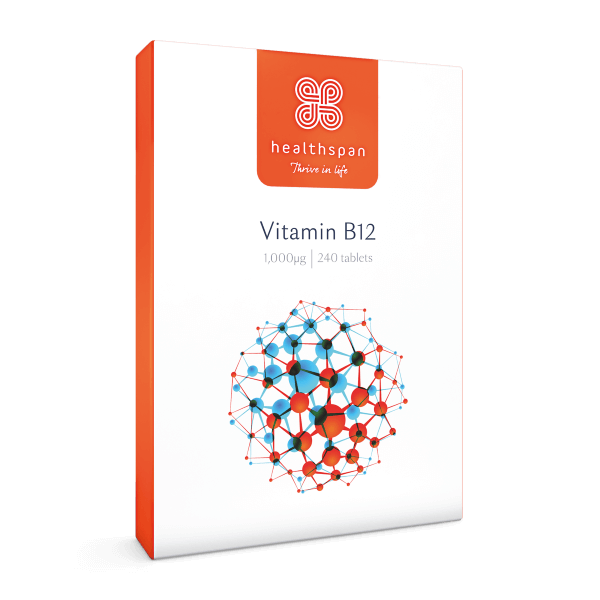
Vitamin B12
Vitamin B12 supplement for energy, immunity and a healthy nervous system
- Reduces tiredness and fatigue
- Supports your immune system
- Contributes to normal red blood cell formation
Who is at risk of deficiency?
Clinical micronutrient deficiencies are not that common among our well-nourished population. However, this doesn't mean they don't exist among more 'at-risk' groups.
The most common cause of vitamin B12 deficiency is an autoimmune disease known as pernicious anaemia, which occurs when an antibody attacks the intrinsic factor protein and therefore inhibits the absorption of vitamin B12.
Other people who may be at an increased risk of vitamin B12 deficiency include:
- Older adults who may find it more difficult to absorb vitamin B12 due to decreased levels of hydrochloric acid in the stomach.
- Vegans who may find it difficult to get all the vitamin B12 they need from diet alone.
- Those who have undergone gastrointestinal surgery, which can decrease the amount of vitamin B12 the body can absorb.
- Those with digestive disorders such as coeliac or Crohn's disease, which can impact on vitamin B12 absorption.
- Babies of breastfed vegan women who may not be getting enough vitamin B12 in their diet.
How do you test for vitamin B12 deficiency?
A blood test can establish your B12 status, but this may not be that reliable for vegans, especially if they regularly include algae such as seaweed or spirulina in their diet. These sea plants contain B12-analogues (false B12) which can imitate true B12 in the blood.
A more reliable way of establishing vitamin B12 deficiency in vegans is testing levels of methylmalonic acid (MMA).
Vitamin B12 acts as a coenzyme to promote the conversion of methylmalonyl CoA to succinyl CoA. In the absence of vitamin B12, methylmalonyl CoA concentration rises and the body converts it to MMA. High levels of MMA equate to a deficiency in vitamin B12.
How can you supplement your vegan diet?
Vegans can include fortified foods as part of their daily diet to help maintain healthy levels of vitamin B12.
Commonly fortified foods include plant milks (soy, oat or nut varieties), tofu, breakfast cereals, snack bars and nutritional yeast.
Supplements are a good way to bridge any gaps that may exist in a vegan diet. Vitamin B12 can be taken alone or as part of a vegan-friendly multivitamin and mineral formulation.
For people who have difficulty absorbing vitamin B12 through the gut, such as older people or those with gut conditions such as coeliac disease, oral sprays allow absorption of this vitamin via the mouth.
While diet and nutrition surveys have suggested most of us get enough vitamin B12, there are those who may still be at risk of deficiency. So if you are following a vegan or primarily plant-based diet, it might be time to consider supplementation.
