











Probiotics aren't just a wellness trend. For women, getting the right strains in the right amounts can make a genuine difference to gut health, hormonal balance, immunity and more. This guide breaks down everything you need to know, from what they do and which strains matter most for female health to where to find them in food and how to choose the right supplement.
🕒 8 min read
Understanding probiotics
Probiotics are live microorganisms that, when taken in adequate amounts, support the health of your gut microbiome. Your microbiome is the collection of trillions of bacteria, fungi and other microbes that live in your digestive system and influence everything from digestion to mood to immunity. Think of probiotics as reinforcements for your existing gut bacteria. For more information on how they work, read our guide: What are probiotics?

What are the benefits of probiotics for women?
The benefits of probiotics for women go well beyond digestion. Women's bodies go through significant hormonal shifts throughout life, from monthly cycles to pregnancy and menopause, and the gut microbiome responds to all of it. Here are some of the main benefits of probiotics for women.
- Digestive health
- Vaginal health
- Immune support
- Hormonal balance
- Mental health and mood
- Urinary tract health
- Skin health
- Bone health during menopause
1. Digestive health
Probiotics help maintain a balanced gut environment, easing symptoms of bloating, constipation and diarrhoea. Strains like Lactobacillus acidophilus and Bifidobacterium longum are particularly well-studied for their role in supporting efficient digestion and promoting the growth of positive gut bacteria.
2. Vaginal health
The vaginal microbiome, like the gut, depends on a healthy balance of bacteria. Lactobacillus strains naturally dominate a healthy vaginal environment and help maintain the acidic pH that protects against infections such as bacterial vaginosis and thrush. Read more about the vaginal microbiome and pH balance in our full guide.
3. Immune support
Around 70% of the immune system is located in the gut, so supporting your microbiome has a direct impact on how well you fight off infection. Certain probiotic strains have been shown to modulate immune responses and reduce the severity and duration of common illnesses.1 For more details, read our guide on how probiotics support immunity.
4. Hormonal balance
A group of gut bacteria known as the "estrobolome" helps regulate how oestrogen is metabolised and circulated in the body.2 An imbalanced gut can disrupt this process, potentially contributing to conditions such as PMS, endometriosis and irregular cycles. Probiotics may help restore that balance.
5. Mental health and mood
The gut-brain axis is a well-established communication network between your digestive system and your brain.3 Research suggests that a diverse, healthy microbiome is linked to better mood regulation, lower anxiety and reduced symptoms of depression, all of which are areas where women are disproportionately affected.
6. Urinary tract health
Lactobacillus strains produce lactic acid, hydrogen peroxide and bacteriocins that inhibit the growth of harmful bacteria in the urinary tract.4 Regular probiotic use may reduce the frequency of urinary tract infections (UTIs), which affect women far more often than men.
7. Skin health
The gut-skin axis means that imbalances in gut bacteria can show up on the skin as acne, eczema or rosacea.5 Probiotics that reduce gut inflammation may also improve skin clarity and reduce inflammatory skin conditions.
8. Bone health during menopause
Some research suggests that gut bacteria play a role in calcium absorption and bone density.6 As oestrogen declines during menopause, bone density drops rapidly. Probiotic supplementation may offer some support here, though it works best when combined with calcium and vitamin D.
What are the best probiotics for women?
Not all probiotic strains are the same, and the research on which works best is highly strain-specific. The best probiotics for women are those with clinical evidence behind them for the specific health areas most relevant to female biology. Here's an overview of the key strains and what they do.
Lactobacillus acidophilus
This is one of the most researched probiotic strains in women's health. L. acidophilus is naturally found in both the gut and vagina and produces lactic acid to maintain an acidic environment that discourages harmful bacterial overgrowth. It's considered one of the best female probiotic strains for vaginal health, digestive support and immunity. Find out more about acidophilus probiotic benefits for women.
Lactobacillus rhamnosus
L. rhamnosus has strong evidence for reducing the risk of bacterial vaginosis and UTIs, as well as supporting gut barrier function.7 It is a good probiotic for women with a long history of use in clinical studies. Some trials have also linked it to improvements in anxiety and stress via the gut-brain axis.8
Lactobacillus reuteri
L. reuteri is associated with a healthy vaginal microbiome and has anti-inflammatory properties that may benefit both the gut and skin.9 This strain has also been shown to support bone density during menopause, making it particularly relevant for women aged 50 and over.10
Lactobacillus crispatus
L. crispatus is one of the dominant strains in a healthy vaginal microbiome. While harder to find in supplement form, products formulated specifically for female vaginal health increasingly include it. It's commonly used to protect against bacterial vaginosis and thrush.
Bifidobacterium longum
A well-studied gut-dwelling strain, B. longum is particularly effective at reducing bloating, supporting regular bowel movements and modulating the immune system.11 It has also shown potential in reducing anxiety and the physical symptoms of stress, which can be beneficial given the impact that cortisol fluctuations have on women's health across the menstrual cycle.
Bifidobacterium lactis
B. lactis supports digestive regularity and immune function and has been linked to improved gut transit time in women with constipation.12 It's a reliable strain to look for in any broad-spectrum female probiotic supplement.
Lactobacillus gasseri
L. gasseri has attracted attention for its potential role in weight management and reducing abdominal fat, particularly in studies involving women.13 It also supports vaginal flora and has shown anti-inflammatory effects that may ease painful menstrual symptoms.
Lactobacillus plantarum
A resilient strain that survives well in the gut and has strong evidence for reducing bloating, intestinal permeability and gut inflammation. It's a good all-round choice for women dealing with IBS-type symptoms or digestive discomfort around their cycle.
The best probiotic-rich foods for women’s health
As well as considering a probiotic supplement, it's worth considering what you can get from your diet. Many fermented foods are naturally rich in probiotics, and eating a variety of them supports microbial diversity in the gut. These are some of the best.
- Live yoghurt: Contains Lactobacillus and Bifidobacterium strains. Look for labels that confirm "live and active cultures" for genuine probiotic content.
- Kefir: A fermented milk drink with a significantly higher bacterial count than most yoghurts, and a broader range of strains including L. acidophilus and L. rhamnosus.
- Sauerkraut: Fermented cabbage that is rich in Lactobacillus species. Look for unpasteurised versions that preserve the live cultures; the jarred supermarket versions are often heat-treated.
- Kimchi: A Korean fermented vegetable dish packed with L. plantarum and other Lactobacillus strains, with additional anti-inflammatory benefits from its spices.
- Miso: A fermented soybean paste containing a range of beneficial bacteria and yeasts. Miso is also a source of protein and minerals.
- Tempeh: Fermented soybeans with a firm texture and a naturally high protein content. It contains beneficial bacteria alongside plant-based protein, iron and calcium.
- Kombucha: A fermented tea drink containing Acetobacter and various yeasts. The probiotic content varies by brand, so check the label for live cultures.
- Aged cheeses: Certain aged cheeses, such as Gouda, cheddar, and Gruyère, contain live bacterial cultures that can survive digestion and contribute to gut diversity.
FAQs about the best probiotics for women
Do all women need to take a probiotic?
Not necessarily. Women who eat a varied diet rich in fermented foods and fibre may already have a healthy microbiome. Supplementation is more relevant for those dealing with digestive issues, recurrent infections, recent antibiotic use, hormonal imbalances or the natural changes of menopause. It is always worth speaking to a doctor or dietitian for personalised advice.
Should a woman take a probiotic daily?
For most women, yes. Probiotic bacteria are transient, meaning they don't permanently colonise the gut, so consistent daily use is generally needed to maintain the benefits.
How to choose the right female probiotic
Look for products that list specific strains, not just generic "Lactobacillus", include a clinically relevant dose (usually measured in colony-forming units, or CFUs), and have evidence to support the health claim on the label. Multi-strain products that include both Lactobacillus and Bifidobacterium species tend to offer broader support.
Are probiotics from food sufficient for female health?
Food sources are a great foundation, but the probiotic content in fermented foods varies widely and is often difficult to quantify. For targeted benefits, such as supporting vaginal health or reducing UTI frequency, a supplement with specific, well-researched strains at a therapeutic dose is likely to be more effective than diet alone.
What are the best probiotics for women over 50?
As oestrogen declines, the gut and vaginal microbiomes both shift. Strains such as L. reuteri, B. longum and L. acidophilus are particularly relevant for women in this life phase, supporting bone density, digestive regularity, vaginal health and immune function. A supplement formulated specifically for this age group is worth considering.
Healthspan probiotics for women
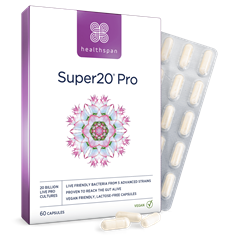
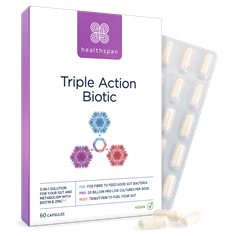
The Healthspan Women's Health Biotic is specifically formulated by nutrition experts for female health, combining researched strains of Lactobacillus and Bifidobacterium in meaningful doses, chosen for their relevance to the gut, vaginal microbiome, immunity and hormonal balance. It provides a high-strength dose of live cultures per capsule, is suitable for daily use, and is designed to support women across different life stages. For broader digestive support, the Healthspan probiotics range includes options for immune support, oral health, and specialist gut health.
The best probiotic for women is ultimately the one that matches your individual health needs, contains the right strains at an effective dose, and is taken consistently. Start with your diet, consider a targeted supplement where it's relevant, and remember that a healthy microbiome is built over time, not overnight.

Find the right probiotic for you
Whether you’re just starting out with probiotics or you already know the value of a healthy gut, choosing the right product can make all the difference.
Learn more.png)