












Most conversations about probiotics are aimed at women. But men's gut health matters just as much, and the research into how specific probiotic strains support male biology is growing fast. From testosterone and prostate health to cardiovascular function and sports recovery, the benefits of probiotics for men go well beyond settling an upset stomach. Here's what you need to know.
🕒 8 min read
How probiotics work
Probiotics are live bacteria and yeasts that, when consumed in sufficient quantities, benefit the health of your gut microbiome, a vast community of microorganisms living throughout your digestive tract that influences far more than digestion alone. Hormones, immunity, mental health, and even heart health are all connected to the balance of your gut bacteria. For a more detailed explanation, read our article: What are probiotics?

What are the benefits of probiotics for men?
Men and women share many of the same gut health needs, but male biology comes with its own specific factors: testosterone production, prostate health, higher rates of cardiovascular disease,1 and a tendency towards lower microbial diversity in the gut.2 The main benefits of probiotics for men are:
- Digestive health and regularity
- Immune function
- Testosterone and hormonal health
- Heart health
- Prostate health
- Mental health and stress
- Athletic performance and recovery
- Weight management
1. Digestive health and regularity
This is the most widely recognised benefit of probiotics. Strains such as Lactobacillus acidophilus and Bifidobacterium longum support gut motility, ease bloating and help manage symptoms of irritable bowel syndrome (IBS).3
Read more about the top bacteria that support efficient digestion.
2. Immune function
Around 70% of immune cells are housed in the gut, which means the state of your microbiome has a direct bearing on how well your body handles infection and inflammation. Probiotic strains such as Lactobacillus rhamnosus and Bifidobacterium lactis have been shown to support immune responses and reduce the frequency of common illnesses.
Find out more about how probiotics support the immune system and their specific effects on colds and flu.
3. Testosterone and hormonal health
Research is still developing, but there is growing evidence that certain Lactobacillus strains may support healthy testosterone levels.4 One notable study found that mice fed Lactobacillus reuteri had higher testosterone, larger testes and better reproductive health than the control group. Human trials are limited but promising. The gut microbiome also influences the metabolism of hormones, meaning a balanced gut may support more stable hormonal health overall.
4. Heart health
Men have a statistically higher risk of cardiovascular disease than women, particularly before the age of 65. Certain probiotic strains, such as Lactobacillus plantarum and Bifidobacterium longum, have been shown to modestly reduce total and LDL cholesterol,5 lower blood pressure, and reduce systemic inflammation.
5. Prostate health
An emerging area of research suggests that the gut microbiome may influence prostate inflammation and the risk of prostate-related conditions. Chronic low-grade inflammation, which probiotics may help to reduce, is increasingly recognised as a contributing factor in prostate conditions.
6. Mental health and stress
The gut-brain axis,6 the two-way communication network between the digestive system and the brain, means that gut health directly influences mood, stress response and cognitive function. Lactobacillus helveticus and Bifidobacterium longum in combination have been studied specifically for their effects on anxiety and cortisol levels.
7. Athletic performance and recovery
Men who train regularly put additional demands on their gut, immune system and muscles. Probiotics have been shown to reduce exercise-induced inflammation,7 support muscle recovery, and maintain gut barrier integrity during intense training. Strains such as Lactobacillus acidophilus and Bacillus coagulans are particularly relevant for men with active lifestyles.
8. Weight management
Gut bacteria play a role in how the body extracts energy from food and regulates fat storage. Research suggests that men with lower microbial diversity tend to have higher levels of visceral fat. Probiotic supplementation, combined with a healthy diet, may support more effective weight management by improving the composition of gut bacteria.
What are the best probiotics for men?
The best probiotics for men are those with documented evidence for the health areas most relevant to male biology. These are some of the key strains to look for.
Lactobacillus acidophilus
Lactobacillus acidophilus is a versatile, well-researched strain found naturally in the gut. It produces lactic acid that keeps the gut environment balanced, supports immune function and aids the digestion of lactose. It's a solid foundation in any multi-strain men's supplement and one of the best probiotics for men looking for broad digestive and immune support.
Lactobacillus rhamnosus
This strain has strong evidence for immune modulation, gut barrier support and reducing gastrointestinal infections. It's also been studied for its effects on anxiety via the gut-brain axis.
Lactobacillus reuteri
Relevant for men specifically, L. reuteri has attracted interest for its potential role in supporting testosterone levels and reducing chronic inflammation. It also promotes gut barrier integrity and has demonstrated cardiovascular benefits in some trials.
Lactobacillus plantarum
A resilient strain that survives well through the digestive tract and has solid evidence for reducing bloating, IBS symptoms and gut permeability. It's also been studied for lowering LDL cholesterol and blood pressure, making it a strong choice for men focused on heart health.
Bifidobacterium longum
One of the most abundant bacteria in a healthy gut, B. longum declines naturally with age. It has broad benefits: reducing anxiety, improving immune response, easing constipation and supporting the gut's ability to process certain compounds that influence hormonal balance.
Bifidobacterium lactis
Particularly well-studied for immune support and digestive regularity. B. lactis has been shown to improve gut transit time and increase immune cell activity, making it a reliable all-rounder for general men's health.
Lactobacillus helveticus
Most notable for its effects on mental health and sleep quality. In combination with B. longum, L. helveticus has been shown in clinical trials to reduce psychological distress and lower cortisol, making it worth seeking out for men dealing with stress, poor sleep or anxiety.
Bacillus coagulans
Unlike most probiotic strains, B. coagulans forms spores that are highly resistant to heat, acid and stomach acid, meaning more bacteria survive to reach the gut. It has strong evidence for reducing IBS symptoms, improving protein absorption, and reducing post-exercise muscle soreness, making it particularly relevant for men who train.
The best probiotic-rich foods for male health
A supplement can do a lot, but diet is where gut health starts. Men tend to eat fewer fermented foods than women,8 and increasing variety can make a real difference to microbial diversity.
- Kefir: A fermented milk drink with a high concentration of live bacteria across multiple strains, including L. acidophilus and L. rhamnosus. It’s higher in protein than most yoghurts and easier to digest for those who are lactose-sensitive.
- Live yoghurt: One of the most accessible sources of Lactobacillus and Bifidobacterium cultures. Check the label for "live and active cultures," as heat-treated products won't provide the same benefit.
- Kimchi: A Korean fermented vegetable dish with a strong Lactobacillus profile, including L. plantarum. It also contains fibre and vitamins C and K, and its anti-inflammatory properties make it a good fit for men focused on recovery and heart health.
- Sauerkraut: Fermented cabbage rich in Lactobacillus strains. Look for the unpasteurised version from a refrigerated section, not the shelf-stable jars, which are typically heated during production and lose their live cultures.
- Miso: A fermented soybean paste used in Japanese cooking. Beyond its probiotic content, miso is a source of protein, zinc and B vitamins, all of which are relevant to testosterone metabolism and energy production.
- Tempeh: Fermented soybeans with a high protein content and a firm, meaty texture that works well as a meat substitute. Tempeh contains beneficial bacteria alongside iron, calcium and magnesium.
- Aged cheeses: Certain aged varieties, such as Gouda, Gruyère and aged cheddar, contain surviving bacterial cultures. They won't deliver the same CFU count as a supplement, but they may contribute to dietary diversity.
- Kombucha: A fermented tea with variable probiotic content. Check the label for live cultures and keep an eye on sugar content, as many commercial versions are high in added sugar.
FAQs about the best probiotics for men
Do all men need to take a probiotic?
Not necessarily. Men who eat a varied diet rich in fibre and fermented foods may already have a reasonably diverse microbiome. Supplementation becomes more relevant after antibiotics, during periods of high stress or illness, if you experience regular digestive issues, or as you age and natural microbial diversity declines.
How often should men take probiotics?
Daily, for most men seeking consistent benefits. Probiotic bacteria don't permanently colonise the gut, so regular intake is needed to maintain their effect.
Can diet alone provide enough probiotics?
For general gut maintenance, a varied diet rich in fermented foods and fibre can go a long way. But for targeted benefits, whether that's reducing UTI risk, supporting testosterone, or improving post-exercise recovery, a supplement with specific strains at clinically relevant doses is likely to be more effective than food alone.
How do I choose the best probiotic supplement?
Look for products that list individual strain names, for example, Lactobacillus acidophilus NCFM, not just "Lactobacillus", state the CFU count at the end of shelf life (not just at manufacture), and carry evidence to back any health claims. Multi-strain products tend to offer more comprehensive support than single-strain options.
For more guidance on how to read a probiotic label and understand CFU counts and strain naming, take a look at our guide on reading the label: what you need to know about probiotics.
Healthspan probiotics for men
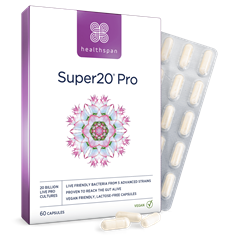
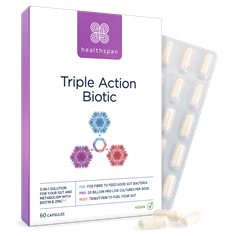
The Healthspan probiotics range is formulated with decades of nutritional expertise and uses independently verified, clinically researched probiotic strains at effective doses. Find options suited to a range of male health priorities, from digestive support and immune health to specialist formulas for active men and those looking to support overall wellbeing as they age. Our probiotic supplements are developed with specific strain selection and dosing in mind, rather than generic blends with unverified content.
The best probiotics for men are those that align with your specific health goals, contain the right strains at effective doses, and are taken consistently over time. Gut health isn't a quick fix. But the evidence for its role in male health, from hormones to heart health to mood, makes it well worth the attention.

Find the right probiotic for you
Whether you’re just starting out with probiotics or you already know the value of a healthy gut, choosing the right product can make all the difference.
Learn more.png)