













GLP-1 medications have become one of the most discussed topics in women's health circles, from social media conversations to GP consultations. But beyond the weight loss headlines, many women are asking important questions about how these medications interact with female hormones, fertility, PCOS and menopause.
This guide explores what we know about GLP-1 and women's health, helping you understand the science, separate fact from speculation, and make informed decisions about your wellbeing.
🕒 7 min read
Understanding GLP-1
GLP-1 (glucagon-like peptide-1) is a hormone your body naturally produces in your intestines after eating. It plays several important roles in metabolic health, including signalling to your brain that you're full, slowing down how quickly food leaves your stomach, and helping your pancreas release the right amount of insulin to manage blood sugar levels.
GLP-1 medications work by mimicking this natural hormone. Common brands include semaglutide (Ozempic and Wegovy) and tirzepatide (Mounjaro). These were originally developed for type 2 diabetes but have gained attention for their effectiveness in weight management.
For a detailed explanation of what GLP-1 is and how these medications promote weight loss, read our article on what GLP-1 is and how it supports appetite and metabolic health. Or, read our expert answers to commonly asked questions about GLP-1.
How does GLP-1 affect female hormones?
GLP-1 medications don't directly alter your oestrogen, progesterone or other reproductive hormones in the way that, for example, the contraceptive pill does. However, they can indirectly affect your hormonal balance through several pathways.
Fat tissue isn't just stored energy; it's an active endocrine organ that produces and stores hormones, particularly oestrogen. When you lose weight rapidly, as many women do on GLP-1 medications, this can trigger hormonal fluctuations. Some women report changes to their menstrual cycles, including irregular periods, heavier or lighter bleeding, or temporary changes in premenstrual symptoms.
The insulin-lowering effects of GLP-1 can also influence hormones. Insulin resistance and elevated insulin levels affect the production of sex hormones, so improving insulin sensitivity can shift hormonal balance, often in a positive direction, particularly for women with PCOS.
GLP-1 for PCOS
Polycystic ovary syndrome (PCOS) affects roughly one in ten women in the UK and is closely linked to insulin resistance, even in women who aren't overweight. This connection has led researchers to explore how GLP-1 support might help women with PCOS.
How does GLP-1 help PCOS?
The relationship between GLP-1 and PCOS centres on insulin sensitivity. Many women with PCOS produce higher levels of insulin, which can worsen symptoms by increasing testosterone production and disrupting ovulation.
GLP-1 helps PCOS through several mechanisms. By improving how your body responds to insulin, GLP-1 support can reduce the elevated insulin levels that drive many PCOS symptoms. Weight loss, when appropriate, can further improve insulin sensitivity and hormonal balance. Some women report more regular menstrual cycles and reduced symptoms like excess hair growth and acne. The metabolic improvements seen on GLP-1 medication, including better blood sugar control, reduced inflammation and improved cholesterol levels, can benefit overall health beyond PCOS symptoms.
Research also suggests that GLP-1 medications may help restore ovulation in women with PCOS who aren't ovulating regularly, though this area needs more study.
Which GLP-1 is best for PCOS?
There isn't a single ‘best’ GLP-1 medication for PCOS, as individual responses vary. Semaglutide and tirzepatide have both shown benefits in studies involving women with PCOS, though much of the research has focused on their effects on weight and metabolic markers rather than PCOS specifically.
The choice depends on your individual health profile, other medications you're taking, how well you tolerate side effects, and what your doctor recommends based on your specific situation. Some women with PCOS may also benefit from supporting their natural GLP-1 production through diet and lifestyle changes before considering medication.
GLP-1 and menopause
Menopause brings significant metabolic changes that can be frustrating and difficult to manage. Many women notice weight gain, particularly around the abdomen, increased insulin resistance, unfavourable changes in cholesterol levels, and a higher risk of developing type 2 diabetes. These changes are directly linked to declining oestrogen levels, which affect how your body handles glucose and stores fat.
Is GLP-1 good for menopause?
GLP-1 support may help address several metabolic challenges women face during menopause.
The shift toward insulin resistance that many women experience during menopause responds well to GLP-1's insulin-sensitising effects. This can help stabilise blood sugar levels and reduce the risk of developing type 2 diabetes.
Menopausal weight gain, particularly visceral fat around the organs, increases health risks. GLP-1 medications can help manage this weight gain, and some women find they're more effective during this life stage than traditional approaches to weight management.
How does GLP-1 help with menopause beyond weight?
Emerging research suggests potential benefits for cardiovascular health, which becomes particularly important after menopause when heart disease risk increases. Some women also report improvements in energy levels and mental clarity, though these effects may be indirect results of better metabolic control and weight management.
It's worth noting that GLP-1 isn't a hormone replacement and won't address symptoms like hot flushes or night sweats that are directly caused by oestrogen decline. However, by supporting metabolic health, it may help women feel better overall during this transition. Read our guide on early menopause and perimenopause for what to expect and how to manage symptoms.
Early menopause, perimenopause, pre-menopause: here's what to expect
GLP-1 and fertility
The relationship between GLP-1 and fertility depends on individual circumstances, along with several other factors.
For women with PCOS who struggle with fertility, the metabolic improvements from GLP-1 support may help restore regular ovulation. Better insulin sensitivity and weight management can improve fertility in women with PCOS-related infertility.
However, GLP-1 medications aren't currently recommended for women who are actively trying to conceive or who are pregnant. The research on safety during pregnancy is limited, and most prescribing guidelines suggest stopping these medications if you're planning pregnancy.
This creates a complex situation for women with PCOS or obesity-related fertility challenges. Some doctors recommend using GLP-1 medications to improve metabolic health and achieve ovulation, then stopping the medication when actively trying to conceive. This requires careful medical supervision and planning.
If you're taking GLP-1 medication and using oral contraceptives, be aware that the delayed stomach emptying could potentially affect pill absorption. Discuss this with your doctor, particularly if you're relying on contraception to prevent pregnancy.
GLP-1 and bone health in women
Rapid weight loss can affect bone density, which is particularly important for women who already face a higher osteoporosis risk, especially after menopause. Ensure adequate protein, calcium and vitamin D intake. Weight-bearing exercise and strength training help protect bone density during weight loss.
Related article: Osteoporosis and the menopause.
GLP-1 and muscle mass preservation for women
Women naturally have less muscle mass than men and can lose muscle more easily during weight loss. Prioritising protein intake (at least 1.2-1.6g per kilogram of body weight) and regular strength training helps preserve muscle while losing fat.
GLP-1 and cardiovascular health in women
Research suggests GLP-1 medications may offer cardiovascular benefits, which is particularly relevant for women after menopause when heart disease risk increases. However, some women experience an increased heart rate on these medications. Report any palpitations or concerning symptoms to your doctor.
GLP-1 safety reminder (GOV.UK)
How does GLP-1 affect mental health and wellbeing in women?
Some women report improved mood and mental clarity on GLP-1 medications, possibly related to better blood sugar control and increased confidence from weight loss. Others experience fatigue, low mood or anxiety, which could relate to inadequate calorie intake, hormonal fluctuations from rapid weight loss, or direct medication effects.
Monitor your mental health closely and speak with your doctor if you notice persistent changes in mood, energy or wellbeing.
GLP-1 gastrointestinal effects in women
Nausea, reduced appetite, constipation and other digestive symptoms are common, particularly when starting GLP-1 medications or increasing doses. These often improve over time but can significantly affect quality of life. Eating smaller, more frequent meals, avoiding fatty or spicy foods, and staying well-hydrated can help manage these symptoms.
Supporting your natural GLP-1 function
While prescription medications offer powerful GLP-1 effects, your body produces this hormone naturally, and several dietary and lifestyle approaches can support healthy GLP-1 levels. Start with incorporating healthy everyday habits, including eating protein-rich, fibre-filled meals, fermented foods for gut health, and prioritising regular movement, good sleep and effective stress management. Targeted nutrients such as omega-3s, vitamin D, magnesium and B vitamins may also play a helpful supporting role alongside a balanced lifestyle. Our article, What is GLP-1 for weight loss?, explores these natural support methods in more detail and how they fit into a long-term approach to metabolic health.
What is GLP-1 and how does it support appetite and metabolic health
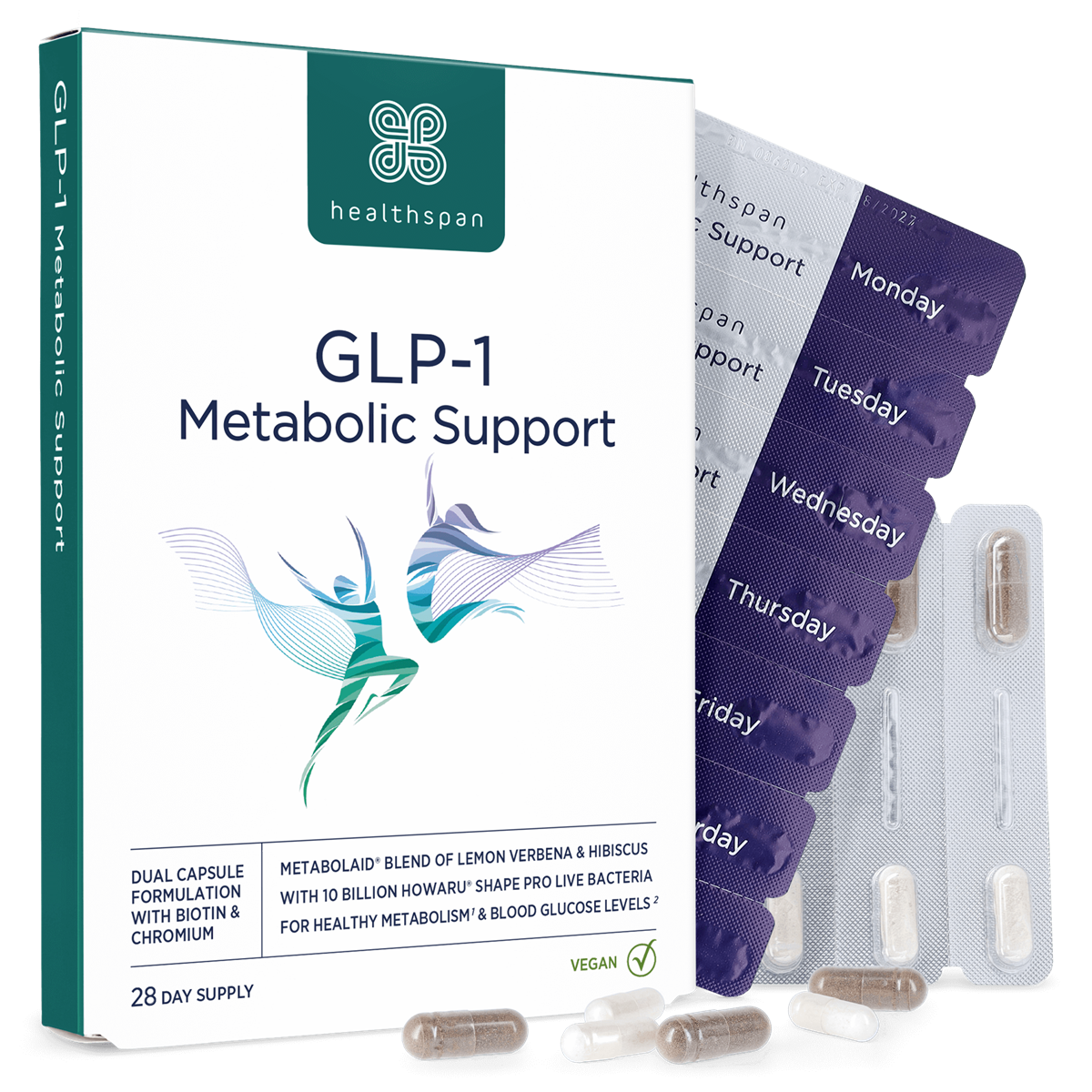
GLP-1 Metabolic Support
Curb cravings | Metabolic and microbiome balance | Stimulates GLP-1 hormone production
- Curb cravings
- Metabolic and microbiome balance
- Stimulates GLP-1 hormone production
- Up to 85% hunger reduction in 60 days
- With chromium & biotin
GLP-1 prescription medications versus natural approaches
It's important to distinguish between pharmaceutical GLP-1 medications and natural ways to support GLP-1 function. Prescription GLP-1 medications provide powerful, pharmacological doses that produce dramatic effects on blood sugar and weight. They're appropriate for specific medical conditions and require medical supervision.
Natural approaches, such as diet, lifestyle and targeted supplementation, support your body's own GLP-1 production and sensitivity. The effects are typically more modest but can be meaningful, particularly when combined with other healthy habits.
For many women, particularly those with PCOS or managing menopausal metabolic changes, natural approaches are worth trying first. They're lower risk, support overall health, and can be maintained long-term as part of a healthy lifestyle.
However, for women with obesity, type 2 diabetes or significant metabolic dysfunction, prescription medications may be appropriate and more effective. This is a decision to make with your doctor based on your individual situation.
The conversation around GLP-1 and women’s health goes far beyond weight loss. For women with PCOS or during menopause, GLP-1 may help support metabolic changes that are often hard to shift, but it isn’t a standalone solution. It works best as part of a holistic approach that includes nourishing food, regular movement, good sleep, stress management and, where appropriate, targeted nutritional support. Every woman’s needs are individual, so informed guidance and a long-term focus are key to making confident, sustainable health decisions.
Top ↑