










Magnesium is an abundant mineral in the human body, and is vital for a number of processes essential to good health. Dr Hilary Jones explains what magnesium does, why you need it and the impact of magnesium deficiency.
🕒 6 min read
We need magnesium to help turn food into energy, keep muscles working normally and maintain healthy bones and teeth. It also contributes to normal nervous system function and a reduction of tiredness and fatigue. A varied, balanced diet provides magnesium; a supplement can help you top up your intake when needed.
What is magnesium and why do we need it?
Magnesium is the fourth most abundant mineral in the human body, with 60% of it locked up in the bony skeleton, and the rest distributed widely throughout the liver, muscles, heart and kidneys.
Within these cells, magnesium contributes to normal protein synthesis and muscle function.
Magnesium is involved in over 300 enzyme systems and countless biochemical reactions, without which we simply could not function or even exist.
What are magnesium's benefits?
Magnesium has several important roles in everyday health. Here is how it supports energy, muscles, bones and teeth.
How does magnesium help with energy?
Magnesium contributes to normal energy-yielding metabolism: the processes that release energy from the food we eat. It also contributes to a reduction of tiredness and fatigue. It helps the body use ATP, the molecule that carries energy within our cells.
What does magnesium do for muscles?
Magnesium contributes to normal muscle function and electrolyte balance. Electrolytes are minerals involved in fluid balance and nerve and muscle activity. Magnesium also contributes to normal protein synthesis, the process of making proteins.
Why is magnesium important for bones?
Magnesium contributes to the maintenance of normal bones. Much of the body's magnesium is stored in the skeleton, so it is one of the minerals we need as part of a balanced diet for bone health.
Does magnesium help maintain healthy teeth?
Yes. Magnesium contributes to the maintenance of normal teeth. Getting enough is part of good nutrition, alongside regular brushing and dental care.
Magnesium also contributes to normal psychological function and normal functioning of the nervous system.
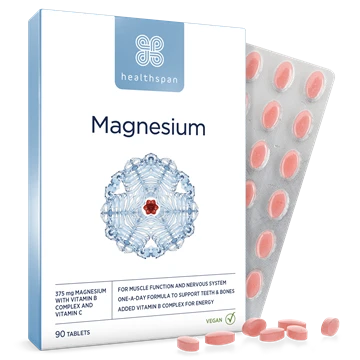
Magnesium 375mg
Muscle and energy support
- 375mg magnesium per tablet
- Supports bones, teeth and nervous system function
- Added vitamin B complex
Does magnesium help with muscle cramps?
How many people suffer from painful muscle cramps, particularly in bed at night, where the powerful muscle contraction makes them jump out of bed and have to hobble about to stretch out the spasm?
This can happen without being dehydrated, or having over-exercised during the day. It can leave people feeling sore for a day or two and seriously interrupts sleep.
Magnesium supports normal muscle function, but this does not mean a supplement will stop muscle cramps. Cramps can have several causes. If they keep happening, speak to your GP rather than assuming you need more magnesium. Read our guide to leg cramps and what can help.
Poor-quality or reduced hours of sleep can cause daytime drowsiness and affect how you feel.
A good sleeping routine free of all modern electronic devices (including TV) is important, and there are many actions we can take to give our bodies a fighting chance of enjoying a refreshing, invigorating night's sleep.
Magnesium contributes to normal nervous system and psychological function, but research has not established it as a treatment for insomnia.
Read more about the evidence and practical choices in our magnesium for sleep guide.
What are the signs of magnesium deficiency?
Magnesium deficiency means that magnesium levels are too low; the medical term is hypomagnesaemia. Possible symptoms include weakness, muscle twitching and cramps. Symptoms alone cannot confirm a deficiency, because they can have other causes.
Health conditions that can make such deficiency more likely include diabetes, intestinal malabsorption, chronic diarrhoea, coeliac disease, and anyone drinking more than the recommended intake of alcohol.
If you are concerned about persistent symptoms, speak to your GP. The NHS explains that a magnesium blood test may be recommended as part of a series of tests for symptoms such as weakness, twitching, cramping or an irregular heartbeat.1
How much do we need every day?
NHS guidance gives a daily magnesium intake of 300mg for men and 270mg for women aged 19–64.2 These amounts refer to your overall daily intake, rather than a recommended supplement dose. You should be able to get all the magnesium you need from a varied, balanced diet.
You may also see a Nutrient Reference Value (NRV) of 375mg on supplement labels. This is a reference used for labelling, rather than a separate recommendation to take a 375mg supplement.
If a medical condition affects your magnesium levels, your healthcare professional can advise on the amount you need.

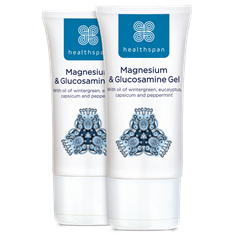
Magnesium & Glucosamine Gel
For a muscle and joint massage
- Magnesium and glucosamine
- With wintergreen oil, eucalyptus, capsicum and peppermint
- Non-greasy topical formula
Which foods are rich in magnesium?
A wide selection of healthy foods in anyone's normal diet should ensure an adequate daily magnesium intake. Foods that provide magnesium include:
- Green leafy vegetables, such as spinach
- Wholegrain bread
- Brown rice
- Dairy products
- Almonds, cashews, Brazil nuts and peanuts
- Cereals
- Spices
- Cocoa
- Tofu
- Avocado
- Bananas
- Sesame and sunflower seeds
- Seafood and fish
- Meat such as beef and chicken
Do I need a magnesium supplement?
A supplement can help top up your magnesium intake if you struggle to get enough from your diet. Start by looking at the foods you eat regularly, then choose a product and dose that suit your needs. Supplements should not replace a varied, balanced diet and healthy lifestyle.
If you feel tired and lethargic for no easily identifiable reason, or have palpitations or frequent muscle cramps or twitching, consult your GP. A supplement should not replace checks for the cause of your symptoms.
Which type of magnesium should I choose?
Magnesium supplements come in many different forms and formulations, depending on the compound in which the magnesium is supplied.
Some contain more magnesium per gram of the compound, while others are more readily absorbed. The amount of actual magnesium is often called elemental magnesium. Check this amount on the label, along with the directions and how well you tolerate the product.
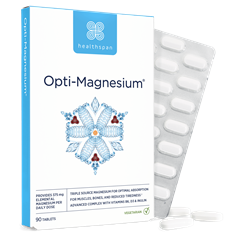
Healthspan's Magnesium 375mg supplement contains magnesium oxide and hydroxide. Opti-Magnesium combines glycinate, citrate and malate, with some magnesium oxide in its buffered ingredients.
For another option, read our guide to magnesium glycinate. If you are wondering what to expect after starting a supplement, see how long magnesium takes to work.
Finally, Magnesium & Glucosamine Gel is a topical product for external use. It can be used as part of a muscle and joint massage routine; it should not replace oral treatment prescribed for a magnesium deficiency.
Safety information
According to the NHS, taking more than 400mg of magnesium from supplements can cause diarrhoea. Having 400mg or less a day from supplements is unlikely to cause harm, but this is not a target dose.2 Follow the directions on the pack and check the total if you take more than one supplement containing magnesium.
If you take prescribed medicines, are pregnant or breastfeeding, or have a medical condition, particularly kidney problems, speak to your GP or pharmacist before taking a supplement.