










Even Nutritionists Get High Cholesterol
Registered nutritionist Rob Hobson shares his story — why numbers matter, what the myths get wrong, and the small changes that can support heart health.
Yes, you can have raised cholesterol even if you eat well and exercise. Diet and activity matter, but age, genetics and some health conditions can also influence your cholesterol levels.
Rob Hobson’s Story
“I thought I was doing everything right.” Despite eating well, exercising, and working in nutrition, my routine health check revealed raised cholesterol. It was a wake-up call: lifestyle matters, but genes, age and other health factors can play a role too.
I didn’t overhaul my life — I made small, consistent tweaks: more soluble fibre (oats, beans, apples), swapped some saturated fats for extra virgin olive oil and nuts, cooked with pulses twice a week, and was rigorous about taking my Plant Sterols supplement daily.
After a few months, my numbers improved. The lesson? Know your numbers, focus on daily habits, and be realistic. You don’t need perfection — just progress.
Tip: if you are concerned about your cholesterol, speak to your GP or healthcare professional about testing and how often it should be repeated. For a broader overview, read our guide to cholesterol and how to lower it.
Why Cholesterol Matters (Stats)
High cholesterol is one of several factors that can increase cardiovascular risk. These current UK heart-health figures show why knowing and managing your risk factors matters:
Source: British Heart Foundation — UK heart and circulatory disease facts and figures and Cardiovascular Disease Statistics 2026.
Myth-busting
We asked registered nutritionist Rob Hobson to tackle the cholesterol myths he hears most often. Scan the quick facts below, then watch the video for clear, practical takeaways you can use today.
Myth 1: Going vegan automatically lowers cholesterol.
Fact: Not automatically. A plant-based diet can help when it is rich in fibre and lower in saturated fat, but vegan foods can still be high in saturated fat.
Myth 2: Eggs raise your cholesterol.
Fact: For most people, eggs can be included in a healthy balanced diet. Overall saturated-fat intake generally has a greater influence on blood cholesterol than the cholesterol naturally present in eggs.
Myth 3: All dairy is bad.
Fact: You do not necessarily need to avoid dairy. The type of food, portion size and your overall saturated-fat intake matter more than excluding the whole food group.
Myth 4: LDL is the only thing that matters.
Fact: LDL cholesterol is important, but healthcare professionals may also consider non-HDL cholesterol, HDL cholesterol, triglycerides and your overall cardiovascular risk.
Myth 5: Coconut oil is a heart-healthy fat.
Fact: Coconut oil is high in saturated fat. For everyday use, replacing saturated fats with unsaturated fats such as olive or rapeseed oil is generally a better cholesterol-friendly choice.

Five Practical Tips that make a big difference
Small changes make a big difference. Here are five easy ways to support your cholesterol every day:
Cholesterol-Lowering Meals
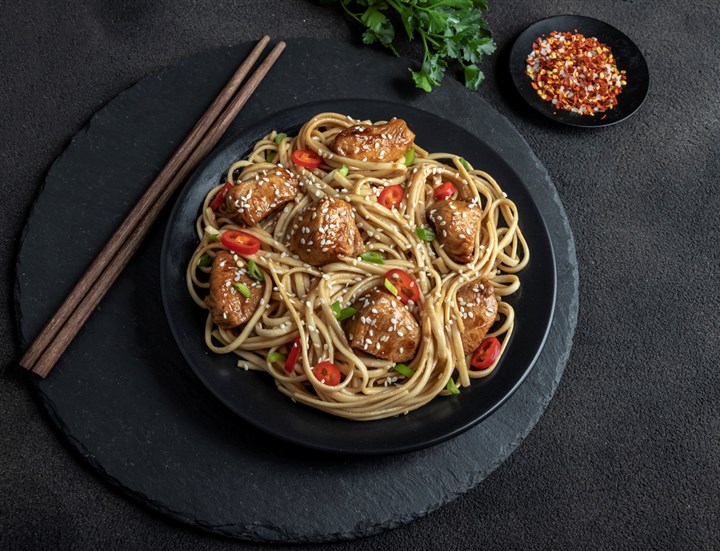
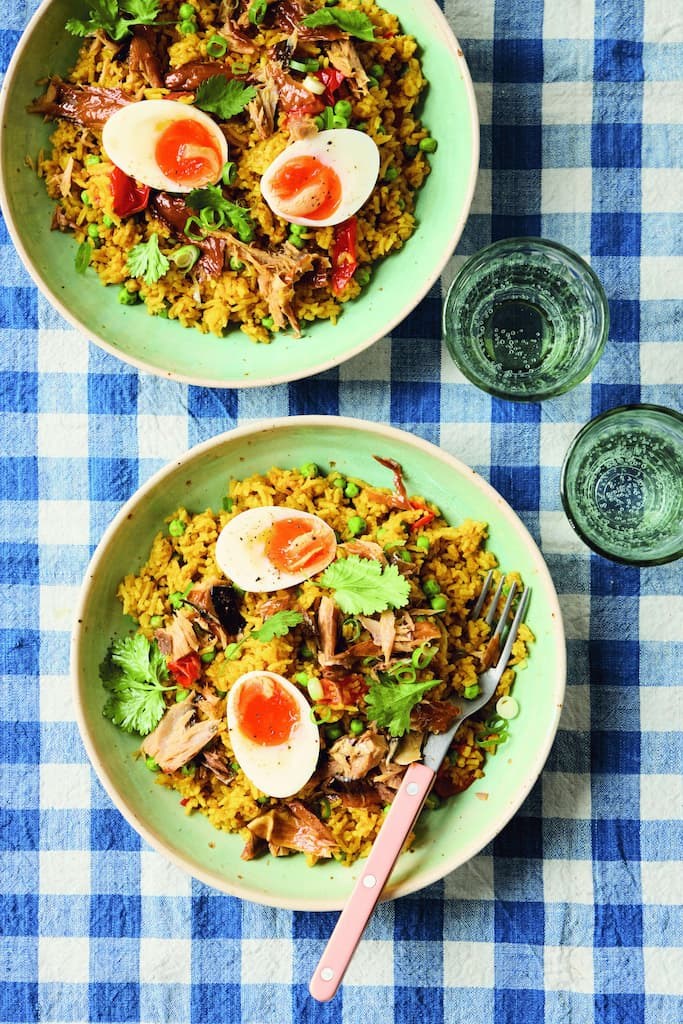
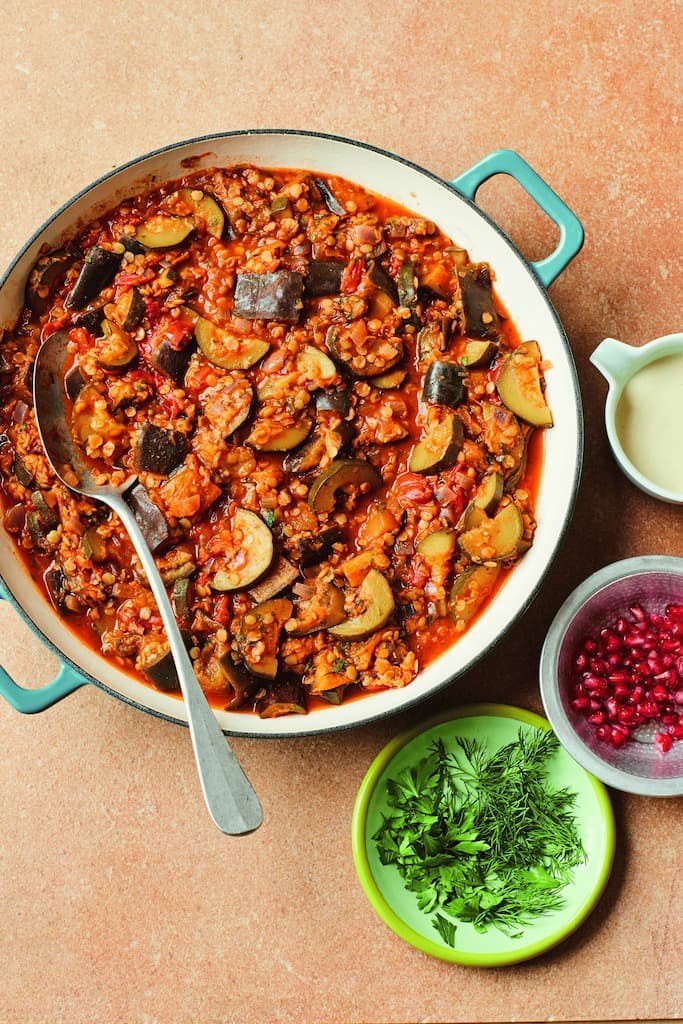
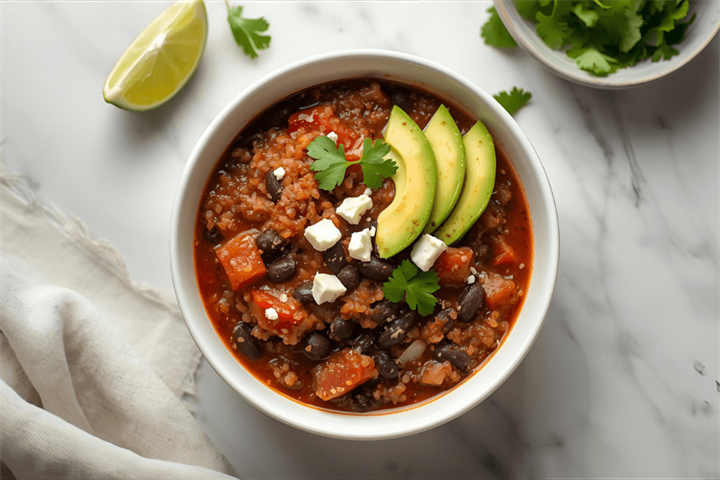
These recipes are created by registered nutritionist Rob Hobson as part of his cholesterol-lowering approach. Each dish is high in fibre, low in saturated fat, and includes foods proven to support heart health.
Download your 7-day meal plan
Download meal plan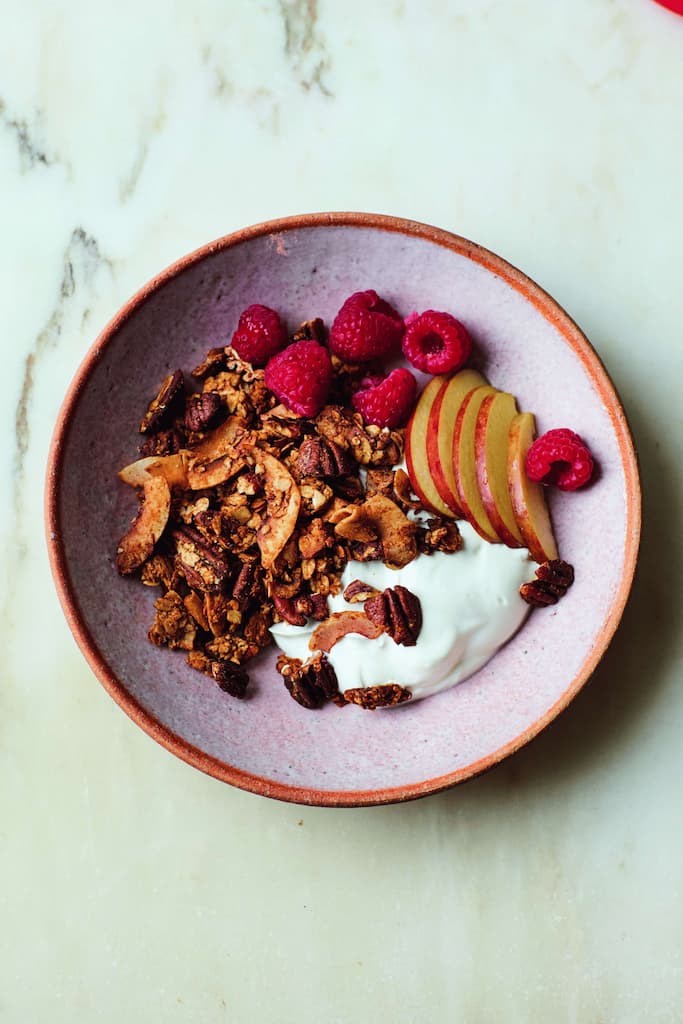

%20in%20milk%20and%20apple%20juice%20topped%20with%20grated%20apple,%20nuts%20and%20chia%20seeds_2025259-105510.png)
%20topped%20with%20pecan%20and%20coconut%20granola_2025259-105510.png)
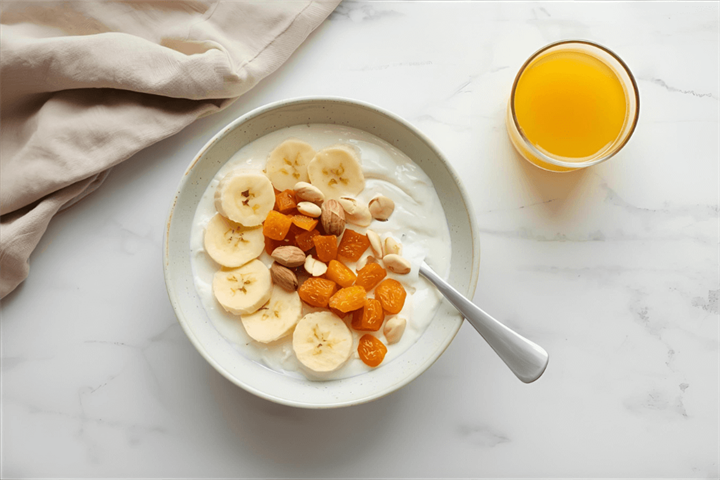
%20%20topped%20with%20nuts,%20chia%20seeds%20and%20berries_2025259-105510.png)
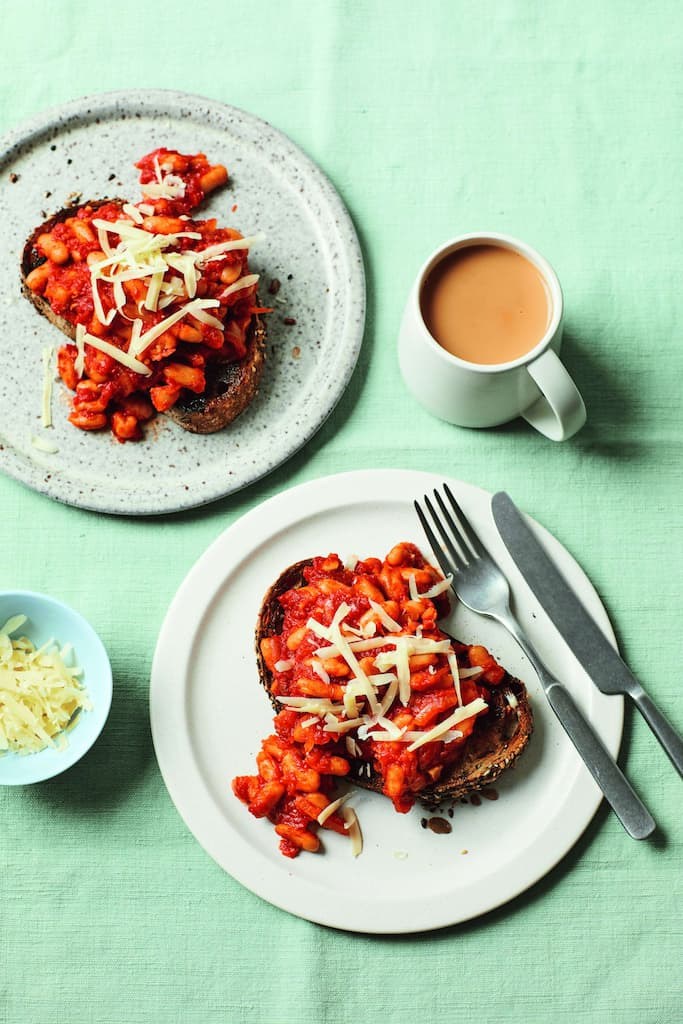
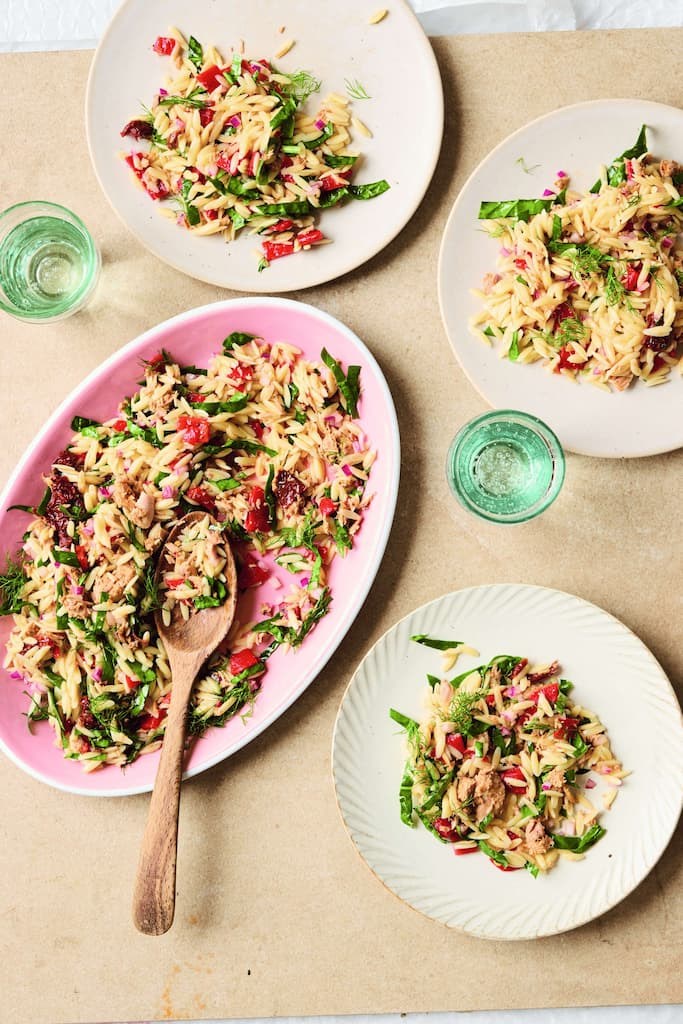
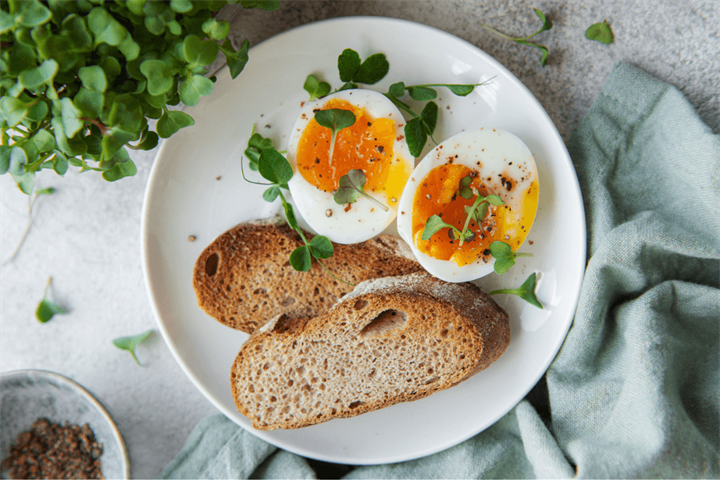
%20with%20crunchy%20salad%20and%20mixed%20seeds_2025259-114929.png)
%20topped%20with%201%20mashed%20avocado,%201%20tbsp%20pumpkin%20seeds%20and%20100g%20sliced%20chicken%20breast.%20Handful%20of%20dried%20apricots_2025259-114929.png)
%20with%20big%20handful%20of%20baby%20spinach%20and%20wholegrain%20bread_2025259-114929.png)
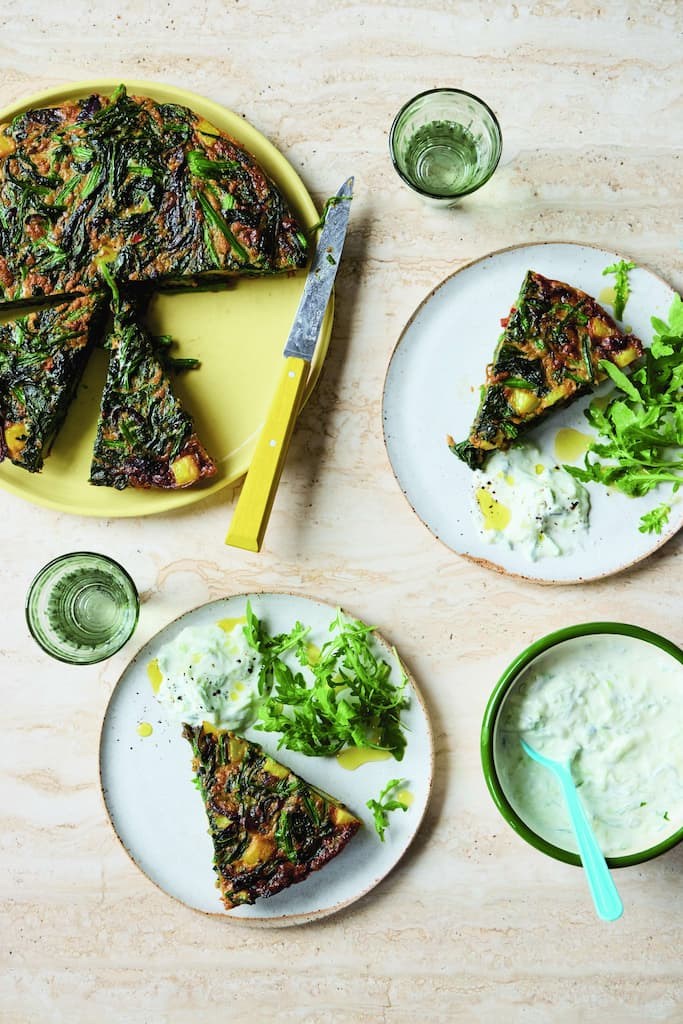
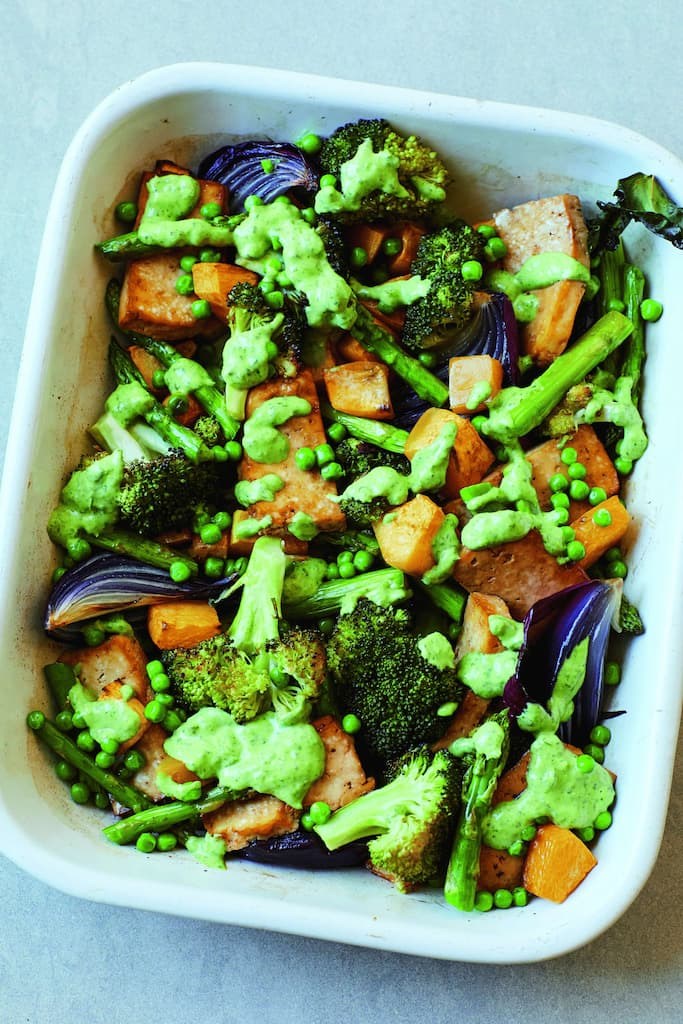
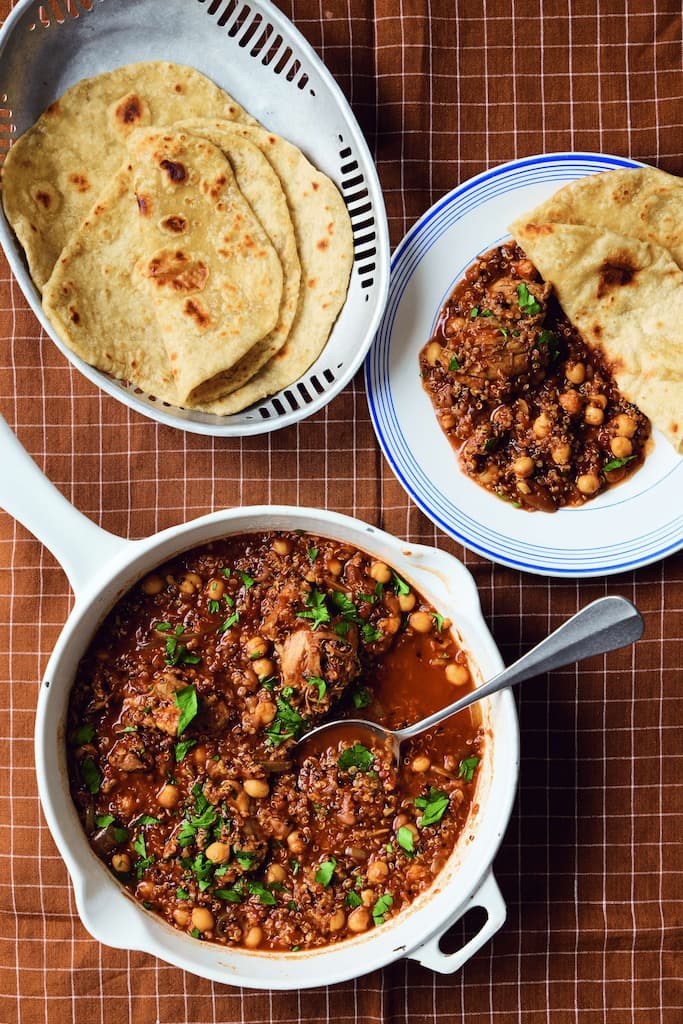
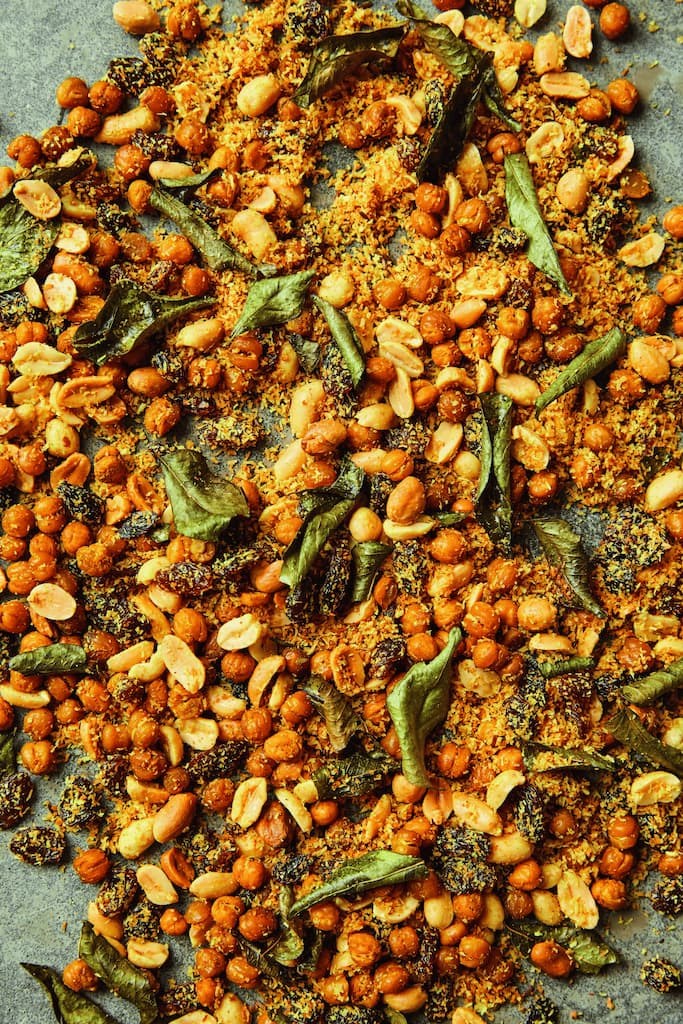
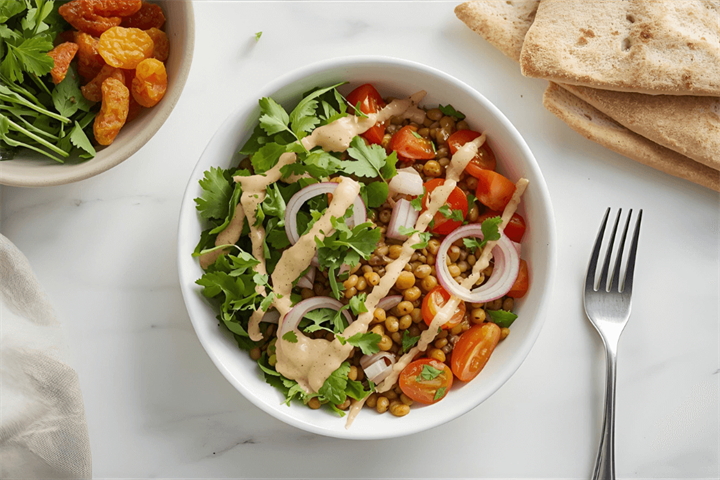
%20with%20light%20soy%20sauce%20and%20lime%20juice_2025259-122509.png)
%20and%201%20tsp%20pumpkin%20seeds_2025259-122509.png)
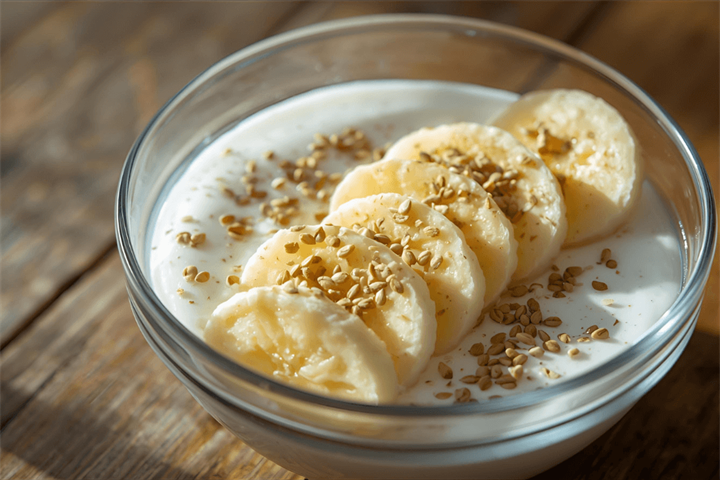
_2025259-122509.png)
%20with%20red%20pepper%20and%20carrots%20battons_2025259-122509.png)
%20with%20dried%20apricots%20(15g)%20and%20chia%20seeds%20(5g)_2025259-122509.png)
,%20crushed%20walnuts%20(15g)%20and%20poppy%20seeds%20(5g)_2025259-122509.png)
_2025259-122509.png)
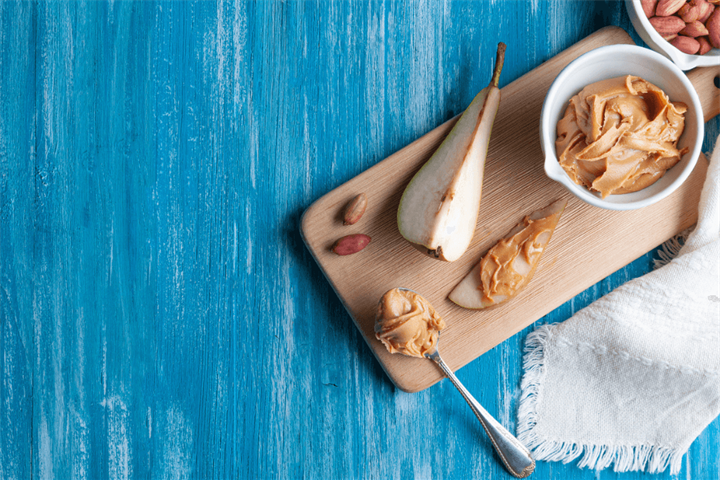
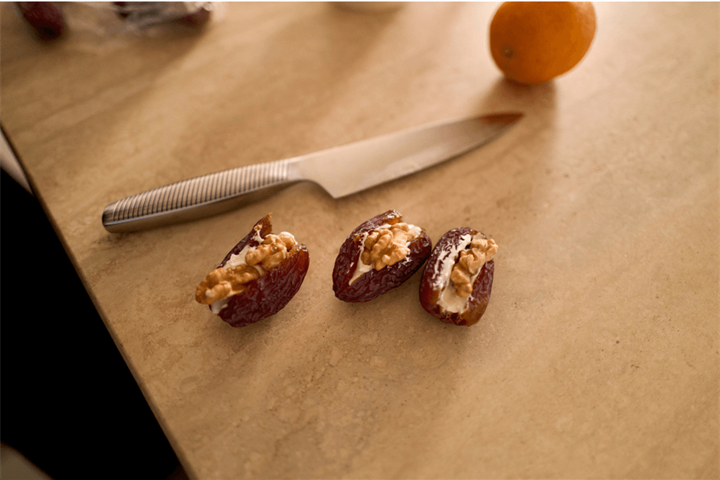
_2025259-122509.png)
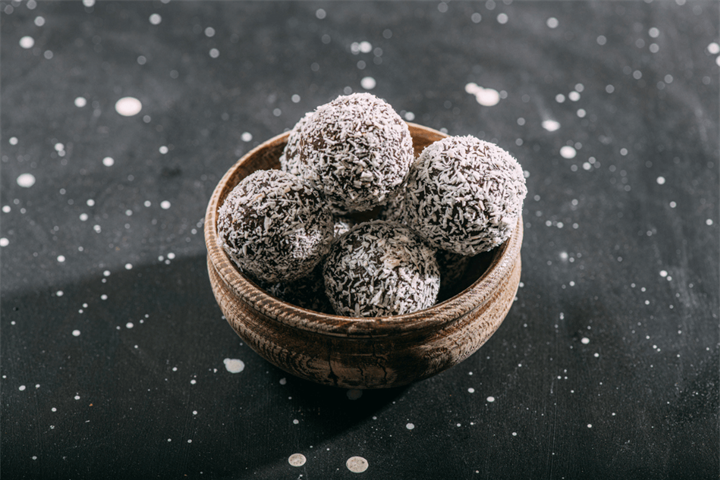
%20with%201%20tsp%20tahini%20on%20sliced%20dark%20rye%20bread_2025259-122510.png)
What are plant sterols and how do they work?
Plant sterols are naturally occurring substances found in plants with a structure similar to cholesterol. They help lower blood cholesterol by reducing the amount of cholesterol absorbed in the intestine. Plant stanols work in a similar way.
According to HEART UK, daily intakes of 1.5g to 3g of plant sterols or stanol esters can lower LDL cholesterol by around 7% to 12.5%, with an effect usually seen within around two to three weeks.
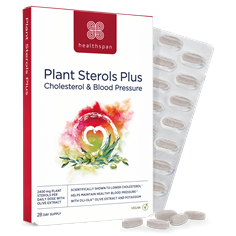
Find out more about how plant sterols work to lower cholesterol, compare plant sterols and statins, or browse the Plant Sterols range.
Cholesterol: frequently asked questions
Can you have high cholesterol even if you eat healthily?
Yes. Diet and activity are important, but cholesterol levels can also be influenced by age, genetics and some health conditions. This means someone who eats well and exercises can still have raised cholesterol.
Do eggs raise cholesterol?
For most people, eggs can be included in a healthy balanced diet. Saturated-fat intake generally has a greater influence on blood cholesterol than the cholesterol naturally present in eggs.
Does going vegan automatically lower cholesterol?
No. A plant-based diet can support healthy cholesterol when it is rich in fibre and lower in saturated fat, but vegan foods can still contain significant amounts of saturated fat. The overall quality of the diet matters.
What foods can help lower cholesterol?
Useful choices include oats and barley, beans and pulses, nuts, soya foods and foods containing unsaturated fats. Plant sterols or stanols can also lower LDL cholesterol when consumed in an effective daily amount.
For practical ideas, see our six food swaps to lower cholesterol.
Do plant sterols lower cholesterol?
Yes. Daily intakes of 1.5g to 3g of plant sterols or stanol esters have been shown to lower LDL cholesterol by around 7% to 12.5%. They work by reducing cholesterol absorption in the intestine.
Who is Rob Hobson?
Rob Hobson MSc RNutr is a registered nutritionist and Healthspan expert. You can learn more on Rob Hobson's expert profile.


%20Sep24-v2.png)
